Rural farming, often seen through the lens of bucolic landscapes and a traditional way of life, plays an indispensable role in global agriculture and economies. Yet, this sector is not without its complexities, encompassing a spectrum of benefits and challenges that affect not just the rural areas, but the broader ecological and economic systems. Here, we delve into the pros and cons of rural farming to provide a holistic view that can inform better decision-making by individuals and policymakers.
Advantages of Rural Farming
- Environmental Benefits
Rural farming practices are generally less intensive than those of industrial agriculture. Techniques such as crop rotation, organic farming, and the integration of natural pest controls are conducive to maintaining ecological balance and promoting biodiversity.
.png)
- Local Food Systems
By bolstering local food systems, rural farms help minimize the need for long-haul food transportation, thereby reducing carbon emissions. This supports environmental sustainability and provides communities with fresher, healthier food options.
- Economic Opportunities
In rural communities, farming is a primary source of employment and income, supporting local economies and stimulating ancillary businesses such as local markets, farm equipment suppliers, and food processing industries.
- Cultural Heritage
Rural farming is a repository of traditional methods and practices passed through generations. Preserving this cultural heritage is vital for maintaining diverse farming methods and counteracting the global homogenization of agriculture.
Challenges of Rural Farming
- Financial Instability
Rural farmers often face financial instability due to fluctuating market prices, dependency on variable weather conditions, and limited market access, making agriculture a precarious venture.
- Access to Technology and Infrastructure
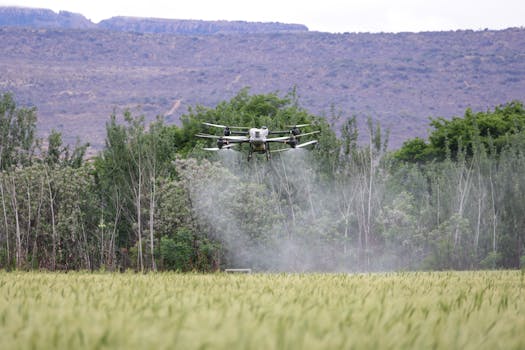
Many rural areas lack modern farming technology and infrastructure, including adequate irrigation systems, transportation networks, and internet connectivity, which can impede farm productivity and profitability.
- Labor Shortages
The migration of the younger population towards cities in search of better job prospects results in labor shortages in rural areas, particularly noticeable during peak agricultural seasons like harvesting.
- Health Risks
Farming exposes workers to various health risks such as chemicals (pesticides and fertilizers), dust, and machinery. The limited accessibility to rural healthcare services can exacerbate these risks.
- Climate Change Vulnerability
Rural farmers are especially susceptible to the impacts of climate change, such as altered temperature and precipitation patterns and extreme weather events like floods and droughts, which can devastate crops and livelihoods.
Navigating the Future
To navigate these challenges while leveraging the benefits, several strategies could be adopted. Enhancing rural infrastructure and technology can boost productivity and market access. Supporting policies that promote sustainable practices and minimize environmental impacts are also vital. Moreover, offering incentives to encourage young individuals to stay or return to rural areas could alleviate labor shortages.
Education and training can equip rural farmers with modern technologies and sustainable practices, preparing them to adapt and succeed. Improving access to healthcare and safety training can also mitigate health risks associated with farming.
Conclusion
Rural farming encompasses significant opportunities and formidable challenges. By understanding and addressing these issues while enhancing the inherent advantages, stakeholders can secure a sustainable and thriving future for rural farming. This approach benefits not only the farmers and their communities but also contributes to broader goals of global food security and environmental conservation.