Raising Chukar Partridges in Winter: Strategies for Cold-Weather Success
Chukar partridges, renowned for their hardy nature and adaptability, are a popular choice among game bird enthusiasts and small-scale farmers alike. However, the winter months can present a unique set of challenges for those raising chukars, especially in regions where temperatures routinely drop below freezing. Ensuring the health, productivity, and welfare of your chukar flock during the coldest part of the year requires thoughtful preparation, specialized management, and a keen understanding of the birds’ needs. This comprehensive guide explores the critical factors for successfully raising chukar partridges during winter, offering practical advice, up-to-date data, and proven strategies to keep your birds thriving all season long.
Understanding Chukar Partridges’ Natural Adaptations to Cold
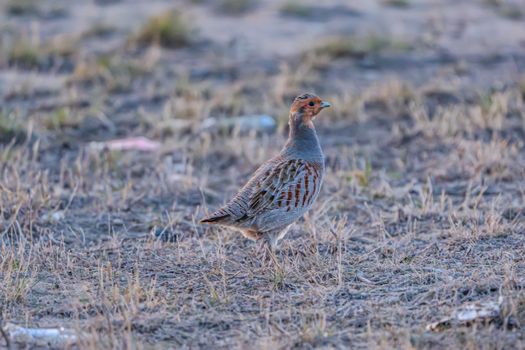
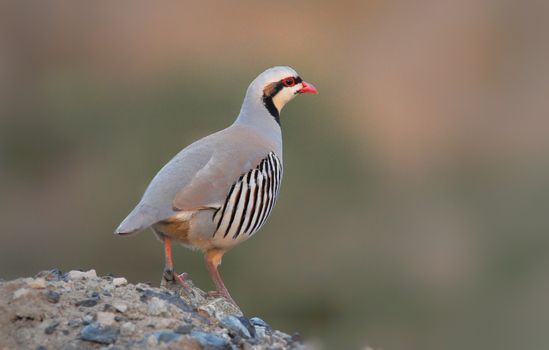
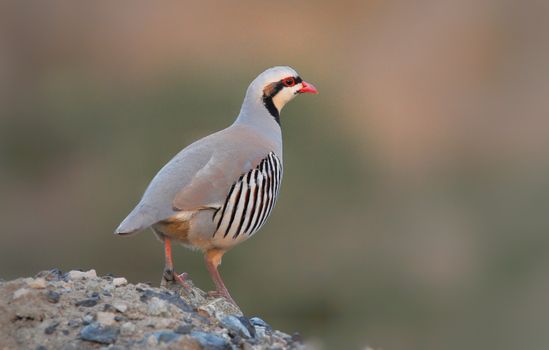
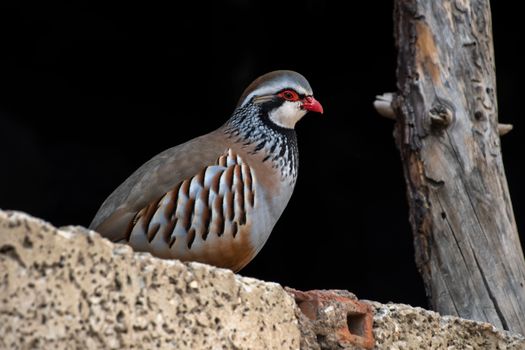
Chukar partridges (Alectoris chukar) hail from the rocky hillsides and semi-arid regions of Eurasia, where they are exposed to significant temperature fluctuations. These birds have evolved to cope with cold weather through several biological adaptations:
- Dense plumage: Chukars grow a thick layer of feathers in autumn, providing natural insulation against the cold. - High metabolic rate: Their bodies generate heat efficiently, helping them maintain body temperature even when the mercury drops. - Behavioral strategies: In the wild, chukars huddle together and seek wind-sheltered spots.Despite these adaptations, captive chukars may not always have access to optimal shelter or food, making winter management crucial. For example, studies have shown that even well-feathered chukars can experience a 25% increase in energy needs during prolonged cold spells. This underscores the importance of adapting management practices for winter conditions.
.png)
Designing Winter-Ready Housing for Chukar Partridges
Proper housing is the foundation of winter care for chukar partridges. The goal is to minimize exposure to wind, moisture, and sudden temperature changes while ensuring adequate ventilation.
1. $1 - Use double-walled coops or pens with insulation in regions where winter temperatures fall below -5°C (23°F). - Position shelters with southern exposure to maximize sunlight, which can raise interior temperatures by up to 5°C (9°F) on sunny days. - Roofs should be sloped to prevent snow accumulation; leaking roofs or walls can lead to dampness and frostbite. 2. $1 - Install adjustable vents above roosting areas to allow moisture to escape without causing drafts. - High humidity increases the risk of respiratory infections; aim for a humidity level below 50% inside the enclosure. 3. $1 - Deep litter bedding (at least 10 cm/4 inches) of straw or wood shavings provides insulation and absorbs moisture. - Replace bedding regularly—at least every two weeks—to prevent ammonia buildup, which can be higher in winter due to reduced ventilation. 4. $1 - If using outdoor runs, ensure they are partially covered and windproofed. Use clear plastic sheeting to allow light while blocking wind. - Chukars can handle cold but need protection from wet snow and freezing rain.Winter Nutrition: Meeting Elevated Energy Demands
During winter, chukar partridges expend more energy to stay warm. Studies indicate that their caloric needs can rise by 20-30% in sustained cold. Proper winter nutrition is essential for maintaining health, egg production (if overwintering breeders), and strong immune systems.
| Feed Type | Summer Recommendation | Winter Recommendation | Notes |
|---|---|---|---|
| Protein (%) | 18-20 | 20-22 | Extra protein supports feather maintenance |
| Energy (kcal/kg) | 2,800 | 3,200 | Increased energy for thermoregulation |
| Grit | Free choice | Free choice | Essential for digestion, especially on high-grain diets |
| Vitamin Supplementation | Optional | Recommended | Supports immunity in low-sunlight conditions |
Health Monitoring and Common Winter Hazards
The stresses of winter can increase susceptibility to disease and injury in chukar partridges. Proactive health monitoring and management are crucial during the coldest months.
1. $1 - Check feet, toes, and combs (if present) for signs of frostbite—discoloration, swelling, or necrosis. - Overcrowding increases risk; maintain at least 0.5 square meters (5.4 square feet) per bird indoors. 2. $1 - Chukars are prone to respiratory infections in damp, poorly ventilated environments. Watch for sneezing, nasal discharge, or labored breathing. - Use dry bedding and regularly inspect for mold, which can proliferate in winter humidity. 3. $1 - Parasites can persist even in winter; maintain regular cleaning routines and use appropriate treatments when necessary. 4. $1 - Reduced daylight and close quarters can increase aggression or feather pecking. - Provide environmental enrichment, such as pecking blocks or straw bales, to keep birds occupied.Adjusting Lighting and Day Length for Chukar Partridges in Winter
Natural daylight decreases sharply in winter, especially in northern latitudes where days can be as short as 8 hours. This change can affect chukar behavior, health, and, for breeders, egg production.
1. $1 - For flocks kept for egg-laying, gradually increase artificial light to provide 14-16 hours of light daily. This simulates spring conditions and can encourage off-season laying. - Use timers to avoid abrupt changes in light exposure, which can cause stress. 2. $1 - For non-breeding or young birds, allow a natural photoperiod. This rest period helps reset reproductive systems and supports long-term health. 3. $1 - Use low-wattage bulbs (around 10-15 lux at bird level) to reduce stress and prevent over-stimulation.Predator Management and Winter Security
Winter can increase predator pressure as natural food sources dwindle. Chukar partridges, being ground-dwellers, are vulnerable to a range of predators that may be more desperate in cold months.
1. $1 - Reinforce wire mesh to prevent burrowing predators such as foxes or weasels, who may dig under snow to access pens. - Check for gaps in structures as freezing and thawing can cause shifts in the ground and building materials. 2. $1 - Lock birds in secure coops at dusk; use automatic door closers for added convenience. - Motion-activated lights can deter some nocturnal predators. 3. $1 - Hang reflective tape or predator eye balloons near enclosures to discourage birds of prey.Final Thoughts on Raising Chukar Partridges During the Winter Months
Raising chukar partridges through the winter is a rewarding endeavor that requires attention to detail, proactive management, and a willingness to adapt to changing conditions. By providing insulated, well-ventilated housing, adjusting nutrition to meet higher energy needs, monitoring flock health, and securing your birds against predators, you can ensure your chukar partridges not only survive but thrive during the coldest months of the year. Implementing these strategies leads to healthier, more productive birds come springtime and supports the long-term sustainability of your flock.