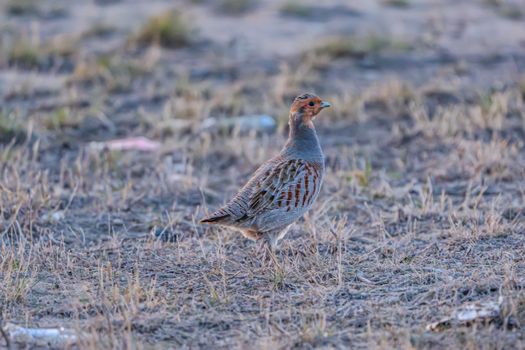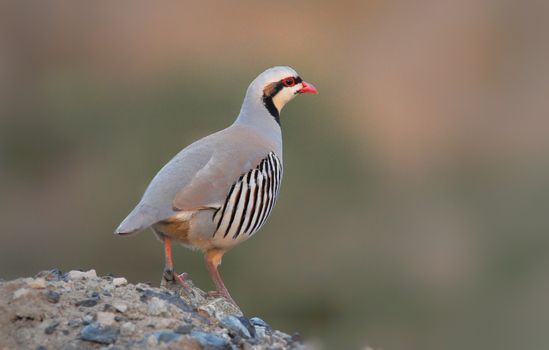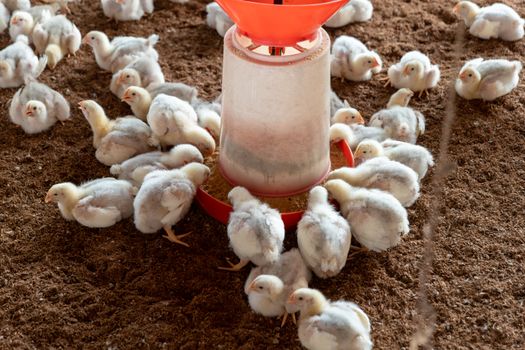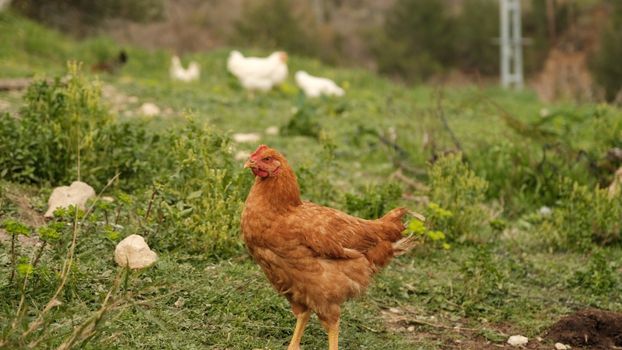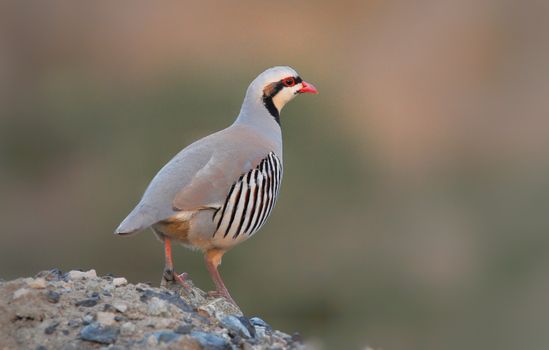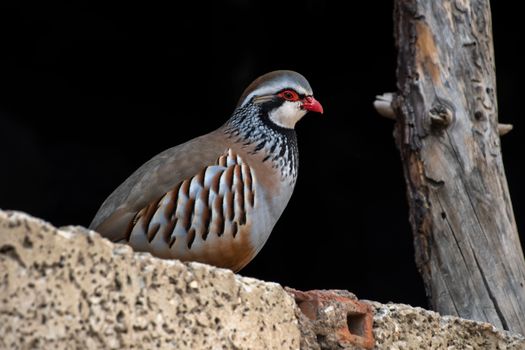
Raising game birds is a rewarding venture, whether your goal is hunting, conservation, meat production, or simply contributing to biodiversity. Unlike traditional poultry, game birds such as pheasants, quail, partridge, and grouse have unique requirements to ensure both their health and productivity. With the game bird industry in the United States valued at over $1.3 billion annually, and more than 50 million game birds produced each year, getting it right is crucial for both hobbyists and commercial producers. This comprehensive guide explores advanced and lesser-discussed strategies to raise robust, high-performing game birds, focusing on genetics, environmental enrichment, biosecurity, nutrition, and health monitoring.
Understanding Genetics and Selective Breeding
The foundation of a healthy and productive game bird flock lies in genetics. Selective breeding is not just for large-scale producers—it can be an effective tool for anyone looking to improve flock performance. By choosing parent stock with desirable traits such as disease resistance, rapid growth, and adaptability to local conditions, you can significantly increase both survival rates and productivity.
For example, studies show that selectively bred pheasants have up to 20% higher survival rates in the wild compared to non-selected stock. Genetics also play a role in egg production: Coturnix quail strains bred for egg-laying can produce over 300 eggs per year, while wild-type strains average less than 200.
.png)
If starting a flock, source birds from reputable breeders who provide information about lineage and health history. For ongoing improvement, keep detailed records of growth rates, health incidents, and production metrics. Over time, culling underperformers and breeding the best individuals will result in a stronger, more productive flock tailored to your specific environment.
Environmental Enrichment: Beyond Basic Housing
Providing a stimulating, naturalistic environment is crucial for the well-being and productivity of game birds. Unlike chickens, game birds are easily stressed by monotonous or barren enclosures, which can lead to feather pecking, cannibalism, and reduced egg laying.
Key elements of enriched environments include:
- $1 Use native grasses, shrubs, and artificial hides to mimic the natural habitat. Studies from the University of Minnesota show that providing overhead cover reduces stress hormone (corticosterone) levels in pheasants by up to 30%. - $1 Scatter feed or offer live insects to encourage natural foraging behaviors, which improves both physical and mental health. - $1 Game birds rely on dust baths to maintain feather condition and prevent parasites. - $1 Maintain appropriate flock sizes and ratios. Overcrowding leads to aggression; the recommended density for pheasants is 10-15 birds per 100 square feet, while quail can be stocked at 50 per 100 square feet in well-managed systems.Providing these features not only improves welfare but has been linked to better growth rates, higher egg yields, and reduced mortality.
Advanced Biosecurity and Disease Prevention
Disease outbreaks can devastate a game bird operation, with some pathogens capable of wiping out entire flocks in days. While basic cleanliness is essential, advanced biosecurity practices add another layer of protection.
Key strategies include:
- $1 Quarantine all new birds for at least 21 days to monitor for symptoms before introducing them to the main flock. - $1 Place these at entry points to prevent pathogens from entering enclosures. - $1 Use fine mesh wire to keep out rodents and wild birds, which commonly transmit diseases like avian influenza and Newcastle disease. - $1 Consult a veterinarian about vaccines for prevalent diseases in your region. For example, vaccination against Newcastle disease can reduce mortality by over 90% in exposed flocks. - $1 Weigh, inspect, and observe birds weekly. Early detection of lethargy, coughing, or abnormal droppings enables prompt intervention.By integrating these measures, you can reduce the risk of outbreaks and ensure your flock remains healthy year-round.
Precision Nutrition for Optimum Growth and Productivity
Game birds require species-specific diets that differ significantly from those of chickens or turkeys. Nutritional imbalances can result in poor growth, low egg production, or even deformities.
A side-by-side comparison of nutritional needs for common game birds is shown below:
| Species | Starter Protein (%) | Grower Protein (%) | Calcium (g/kg) | Energy (kcal/kg) | Avg. Daily Feed Intake (g) |
|---|---|---|---|---|---|
| Pheasant | 28 | 24 | 10-12 | 2,900 | 20-30 |
| Quail (Coturnix) | 24 | 20 | 8-10 | 2,850 | 15-22 |
| Chukar Partridge | 26 | 22 | 10-12 | 2,900 | 18-25 |
| Bobwhite Quail | 28 | 24 | 9-11 | 2,900 | 15-20 |
High-protein starter feeds are essential for the first 4-6 weeks, after which protein can be gradually reduced. Game birds also require higher levels of certain vitamins and minerals, such as vitamin A, D3, and selenium. Supplement with grit to aid digestion and offer fresh greens for enrichment and micronutrients.
Water must be clean, plentiful, and accessible at all times—dehydration is a leading cause of chick mortality.
Monitoring Performance and Data-Driven Management
To maximize productivity, implement a system for continuously tracking key performance indicators (KPIs). This approach, long used in commercial poultry, is increasingly adopted by game bird operations with great success.
Important KPIs include:
- $1 Monitor weekly weight gains against breed standards. - $1 Calculate by dividing total feed consumed by weight gained; a lower FCR indicates greater efficiency. - $1 Record eggs laid per bird per week, aiming for 70-80% in peak season for top strains. - $1 Should remain below 5% in well-managed flocks.Use this data to identify issues early, such as growth lags or unexpected drops in egg production. Adjust management, nutrition, or environment accordingly. Digital flock management apps can simplify recordkeeping and help visualize trends.
Seasonal Management and Adaptation
Game birds are highly sensitive to changes in daylight, temperature, and humidity. Adapting management practices to the seasons is critical for health and productivity.
- $1 Increase ventilation and provide shaded areas to prevent heat stress. Excessive heat can reduce fertility by up to 40% in some species. - $1 Prepare for molt—a natural feather replacement period characterized by reduced egg production and increased nutritional needs (especially protein and methionine). - $1 Insulate housing, minimize drafts, and ensure water does not freeze. Use artificial lighting to maintain a 14-16 hour day length if you wish to keep birds laying through winter.Seasonal planning ensures birds remain healthy and productive year-round, regardless of climate.
Conclusion
Raising healthy and productive game birds requires more than basic care—it demands a strategic, science-based approach. By focusing on genetics, environmental enrichment, advanced biosecurity, precision nutrition, and data-driven management, you can significantly boost both flock health and output. Whether you are raising birds for sport, food, or conservation, these advanced strategies will help you achieve lasting success and contribute positively to the broader game bird industry.