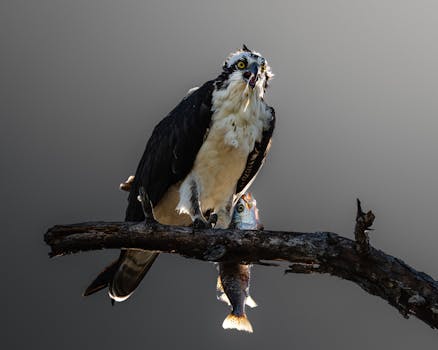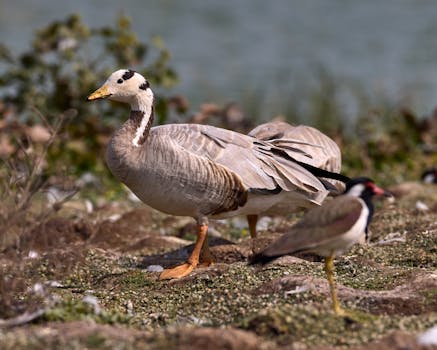
Upland birds, such as grouse, quail, and pheasants, are not only fascinating subjects for birdwatchers but also crucial players in maintaining the ecological balance of rural landscapes. These birds inhabit transitional areas between forests and grasslands, where they play multiple roles that contribute significantly to the health of ecosystems.
Habitat and Ecological Importance
The preferred habitats for upland birds are diverse, including grasslands, shrublands, and open forests. These environments provide essential resources for feeding, nesting, and protection from predators. The varied landscape helps support a rich biodiversity, which is crucial for a balanced ecosystem.
.png)
Seed Dispersal
Upland birds contribute to the health of their habitats through seed dispersal. By consuming fruits and seeds and moving across their territories, they help distribute plant seeds far and wide. This natural form of planting ensures the spread and regeneration of various plant species, some of which are vital for the ecological stability of the area.
Pest Control
Another significant role of upland birds is natural pest control. These birds feed on a variety of insects, helping keep pest populations under control. This behavior is beneficial not only for the natural vegetation but also for agricultural areas, reducing the need for chemical pesticides and promoting a healthier environment.
Soil Aeration and Fertility
The foraging behavior of upland birds, which often involves scratching at the soil, plays a vital role in maintaining soil health. This activity aerates the soil, improving its structure and enhancing its capacity to absorb water and nutrients. Additionally, the droppings of upland birds enrich the soil with organic matter, further increasing its fertility.
Role in the Food Web
Upland birds are integral to the food web, serving as prey for various predators, including mammals and larger birds. This predation helps keep the predator-prey relationships in balance, which is essential for a healthy ecosystem. Furthermore, the presence and population dynamics of upland birds can serve as indicators of the overall health of the environment, with stable or growing numbers suggesting ecological well-being.
Conservation and Awareness
Given their importance, the conservation of upland birds and their habitats is critical. They face threats from habitat loss due to agricultural expansion, urban development, and unsustainable forestry practices. Protecting natural habitats, restoring degraded areas, and implementing sustainable agricultural practices are key strategies in conserving these valuable bird populations.
Public education and awareness programs can also play a significant role in upland bird conservation. By understanding the ecological roles of these birds, communities can be more engaged in and supportive of conservation efforts.
Conclusion
Upland birds are not merely elements of natural beauty; they are vital components of their ecosystems. Their activities support seed dispersal, pest control, soil health, and the balance of the food web. Protecting these birds and their environments is essential for maintaining the health and diversity of ecosystems, which ultimately supports human life and well-being. As environmental challenges persist, recognizing and supporting the role of upland birds in ecosystem management is more crucial than ever.