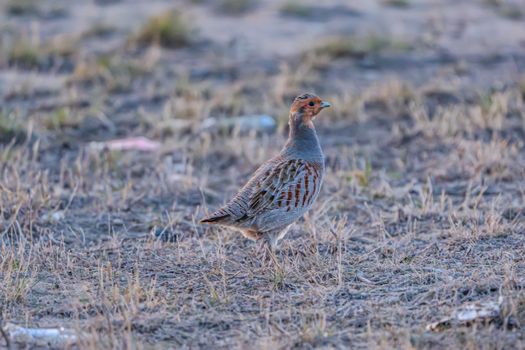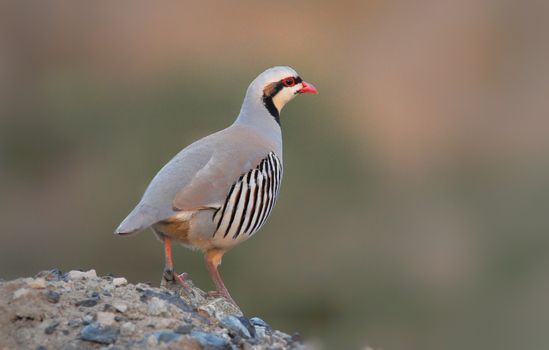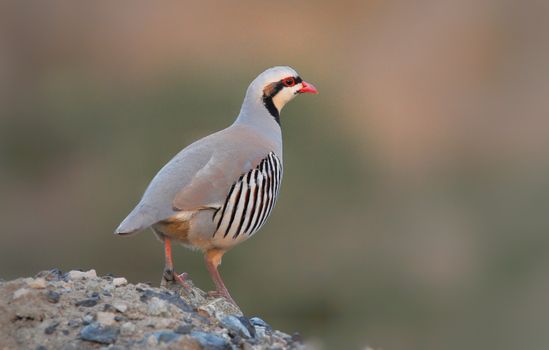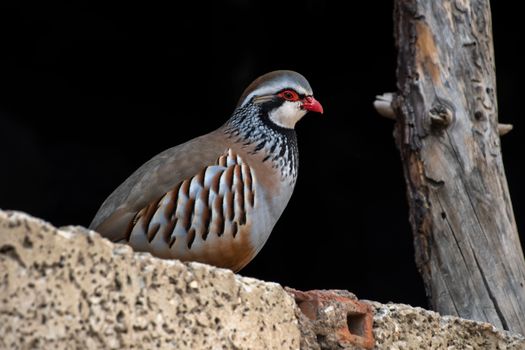
Chukar partridges (Alectoris chukar) are captivating game birds, admired for their adaptability and valued in both farming and sport hunting. However, like all poultry and game birds, chukars face a range of health challenges. Understanding the most common diseases that affect chukar partridges—and implementing effective prevention strategies—is essential for anyone invested in their care, whether for hobby, conservation, or commercial purposes. Disease outbreaks can quickly devastate flocks, leading to economic loss, animal suffering, and, in some cases, zoonotic risks. This article explores the main diseases threatening chukar partridges, the factors that contribute to outbreaks, and practical, science-backed ways to keep your birds healthy.
Understanding Disease Risks in Chukar Partridges
Chukar partridges are generally hardy, but their susceptibility to disease increases in captivity due to higher stocking densities, environmental stress, and potential exposure to pathogens. According to a 2021 study by the University of Veterinary Medicine Vienna, up to 15% of game bird flock losses annually are attributed to preventable diseases, with chukar partridges being no exception.
Key risk factors include: - Overcrowding and poor ventilation - Inadequate sanitation and biosecurity - Introduction of new birds without proper quarantine - Contaminated feed or water supplies - Environmental stressors such as extreme temperaturesRecognizing these factors is crucial because most disease outbreaks can be traced back to lapses in management or environmental control. A proactive approach—prioritizing cleanliness, biosecurity, and monitoring—can dramatically reduce disease incidence.
.png)
Major Infectious Diseases Affecting Chukar Partridges
A variety of infectious diseases can impact chukar partridges, with some being more prevalent or severe. The most common include Newcastle disease, avian pox, coccidiosis, and salmonellosis. Each disease presents with distinct symptoms and demands specific prevention and control strategies.
| Disease | Type | Main Symptoms | Morbidity Rate | Prevention |
|---|---|---|---|---|
| Newcastle Disease | Viral | Respiratory distress, greenish diarrhea, paralysis | 50-100% | Vaccination, biosecurity |
| Avian Pox | Viral | Wart-like lesions on skin, weight loss | 10-30% | Vector control, vaccination |
| Coccidiosis | Protozoal | Bloody droppings, weight loss, lethargy | 5-50% | Sanitation, medicated feed |
| Salmonellosis | Bacterial | Watery diarrhea, dehydration, sudden death | 5-20% | Clean feed/water, rodent control |
Newcastle disease, in particular, poses a severe threat, with outbreaks capable of wiping out entire flocks if not controlled. In 2018, the U.S. Department of Agriculture reported that a Newcastle outbreak in California cost the poultry sector over $50 million in losses and control measures.
Parasitic Threats: Internal and External Parasites
Parasites are another significant concern for chukar partridges, affecting both their health and productivity. Internal parasites like roundworms (Ascaridia spp.) and coccidia (Eimeria spp.) invade the digestive tract, while external parasites such as mites and lice cause skin irritation, feather loss, and anemia.
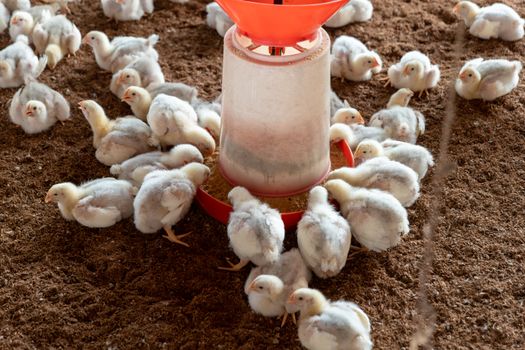
- Internal Parasites: Coccidiosis is particularly common in young chukar partridges. Symptoms include diarrhea (sometimes bloody), dehydration, and poor weight gain. Left untreated, coccidiosis can cause mortality rates up to 50% in affected chicks. - External Parasites: The northern fowl mite (Ornithonyssus sylviarum) is the most frequently reported, leading to reduced egg production, poor feather quality, and, in severe cases, death from blood loss.Routine health checks, fecal testing, and scheduled deworming are effective preventive measures. Maintaining dry, clean bedding and limiting access to wild birds also reduces parasite transmission.
Environmental and Nutritional Diseases in Chukar Partridges
Not all diseases are caused by pathogens. Environmental and nutritional factors can also lead to health problems in chukar partridges. These include:
- Heat Stress: Chukars are adapted to arid environments but can suffer in extreme heat. According to research, temperatures above 32°C (90°F) can cause heat stroke, reduced feed intake, and increased mortality. - Vitamin Deficiencies: Deficiencies in vitamin E or selenium may result in encephalomalacia (“crazy chick disease”), characterized by tremors, incoordination, and death. A 2019 survey found that 12% of game bird farms had at least one case of vitamin deficiency-related illness per year. - Gout: Improper protein balance or dehydration can cause uric acid buildup, leading to gout. Birds develop swollen joints and may become lame.Ensuring a balanced diet with adequate vitamins, minerals, and access to clean water is key. Environmental controls, such as providing shade and proper ventilation, also help prevent stress-related illnesses.
Biosecurity: The Cornerstone of Disease Prevention
Biosecurity refers to procedures designed to prevent the introduction and spread of disease-causing organisms. For chukar partridge keepers, a robust biosecurity program is the first and most effective line of defense.
Key biosecurity measures include: - Restricting visitor access to bird enclosures - Implementing “all-in, all-out” flock management - Quarantining new or returning birds for at least 21 days - Regular cleaning and disinfection of equipment, feeders, and waterers - Controlling rodents and insects, which can carry diseaseIn one case study from a Pennsylvania game bird farm, implementing strict biosecurity protocols reduced disease incidence by 80% over two years, leading to improved flock survival and productivity.
Vaccination and Medical Management in Chukar Partridges
Vaccination is a critical tool in preventing certain diseases in chukar partridges, particularly viral infections like Newcastle disease and avian pox. While not all vaccines are specifically labeled for chukar partridges, many used in chickens and turkeys can be adapted under veterinary supervision.
Medical management also involves: - Routine health monitoring and prompt isolation of sick birds - Use of medicated feeds (e.g., coccidiostats for coccidiosis) - Judicious use of antibiotics, only when prescribed by a veterinarian, to avoid resistanceIt’s important to maintain careful records of vaccination dates, medication usage, and observed illnesses. Early detection and intervention are essential, as many diseases can spread rapidly within flocks.
Final Thoughts on Preventing Disease in Chukar Partridges
Keeping chukar partridges healthy requires a multi-pronged approach: good husbandry, vigilant monitoring, environmental management, and proactive medical care. While disease threats are real and sometimes severe, most common illnesses can be prevented with consistent biosecurity, proper nutrition, and timely vaccination. By investing in prevention, you ensure the welfare of your birds and protect the value of your flock—whether you’re a backyard hobbyist or a large-scale producer.