Feeding for Success: The Nutritional Needs of Game Birds Explained
Game birds, from pheasants and quail to partridges and grouse, have captured human interest for centuries—not only for their role in hunting preserves and farming but also for their ecological significance and captivating behaviors. While much attention is given to their habitat and breeding, one critical aspect often overlooked is their nutrition. The dietary requirements of game birds are not only complex but also vital to their growth, health, productivity, and even their survival. Understanding what, how, and why these birds eat as they do is essential for anyone raising, managing, or simply observing these fascinating creatures.
In this detailed guide, we’ll dive into the nutritional needs of game birds, examining their unique digestive systems, the specific nutrients they require at different life stages, the impact of diet on performance and health, and how to tailor feeding strategies for optimal results. Whether you’re a game bird farmer, wildlife manager, or enthusiast, this comprehensive overview will shed light on the essential building blocks of game bird nutrition.
Understanding Game Bird Digestion: Unique Needs and Adaptations
Game birds possess digestive systems tailored to their wild diets, which predominantly consist of seeds, grains, insects, and plant material. Unlike chickens or ducks, game birds such as quail, pheasants, and partridges have smaller gizzards and shorter digestive tracts. This anatomical difference affects how they process food and absorb nutrients.
.png)
A key adaptation is their rapid digestive transit time. For example, Japanese quail (Coturnix japonica) process food in just 2 to 4 hours, compared to 4 to 8 hours for domestic chickens. This means game birds require diets that are highly digestible and nutrient-dense, as they have less time to extract nutrients from their feed.
Moreover, in the wild, seasonal changes dictate food availability, influencing their nutritional intake. During breeding seasons, for instance, protein requirements increase, while in winter, energy-rich seeds and grains become more important. Captive management must mimic these variations to ensure optimal health.
Essential Nutrients for Game Birds: Proteins, Energy, and More
Game birds require a balanced diet containing six fundamental classes of nutrients: proteins, carbohydrates, fats, vitamins, minerals, and water. The proportions and specific sources of these nutrients often change depending on the species, age, and production stage of the bird.
Proteins are crucial for muscle development, feather growth, immune function, and reproduction. Young chicks, particularly during their first weeks, need high-protein diets—often 24% to 28% crude protein—to support rapid growth. For example, Bobwhite quail chicks thrive on starter feeds containing up to 28% protein for the first four weeks.
Carbohydrates and fats are the main energy sources. Fats also deliver essential fatty acids and help with vitamin absorption. Adult game birds typically require diets with 3% to 5% fat, although laying hens may benefit from slightly higher levels during the breeding season.
Vitamins and minerals play pivotal roles in bone formation, eggshell quality, metabolic processes, and disease prevention. Calcium and phosphorus are especially important for laying birds, with recommended calcium levels rising from 1% in maintenance diets to 2.5%-3% during egg production. Vitamin A, D3, and E are also essential; deficiencies can lead to poor hatchability, weak chicks, and lowered resistance to disease.
Water, often overlooked, is the most critical nutrient. Game birds can lose weight and become stressed if deprived of fresh water for even a few hours, emphasizing the importance of clean, accessible water at all times.
Life Stage Nutritional Needs: Chicks, Growers, and Breeders
The nutritional needs of game birds shift dramatically as they grow. To illustrate, let’s compare the dietary requirements of quail at different life stages:
| Life Stage | Crude Protein (%) | Calcium (%) | Energy (Kcal/kg) | Key Additions |
|---|---|---|---|---|
| Starter (0-4 weeks) | 26-28 | 1.0 | 2900 | Amino acids, vitamins A/D/E |
| Grower (5-6 weeks) | 20-22 | 0.9 | 2800 | Trace minerals |
| Breeder/Layer | 18-20 | 2.5-3.0 | 2800 | Extra calcium, vitamin D3 |
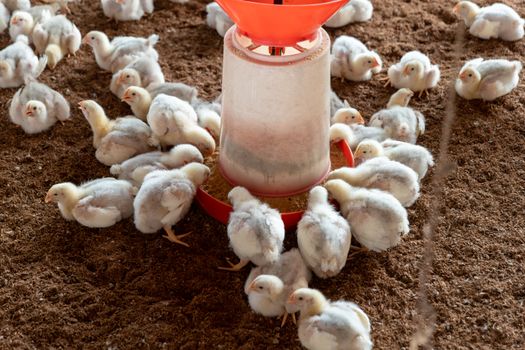
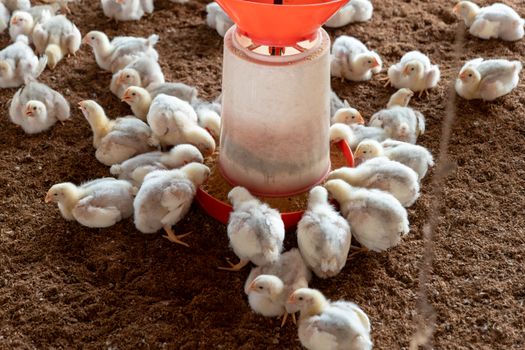
Chicks: The first 4 weeks are critical. They need high-protein (26-28%) and energy-rich feeds, plus essential amino acids like methionine and lysine for feather and muscle development. Chicks are also prone to vitamin deficiencies, making supplementation important.
Growers: From 5 weeks onward, protein requirements drop slightly (20-22%), and the emphasis shifts to balanced mineral intake for strong bone growth and preparation for adulthood.
Breeders/Layers: Once birds reach sexual maturity, calcium needs spike to support eggshell formation, while protein levels can be reduced to 18-20%. Inadequate calcium can result in thin-shelled or misshapen eggs—a common problem in underfed flocks.
Special Dietary Considerations for Different Game Bird Species
Not all game birds are created equal when it comes to nutrition. Species-specific differences abound, shaped by their wild diets and evolutionary histories.
Pheasants, for example, are omnivores and thrive on a mix of grains, seeds, insects, and green matter. Their diets should be protein-rich (up to 28% for chicks), but they also benefit from the fiber found in plant material. Adult pheasants require more energy during cold months, requiring adjustments to their feed composition.
Quail, particularly Coturnix and Bobwhite, have higher protein and energy needs relative to their size. Bobwhite quail, for instance, require more methionine and lysine than pheasants, underscoring the importance of species-appropriate starter feeds.
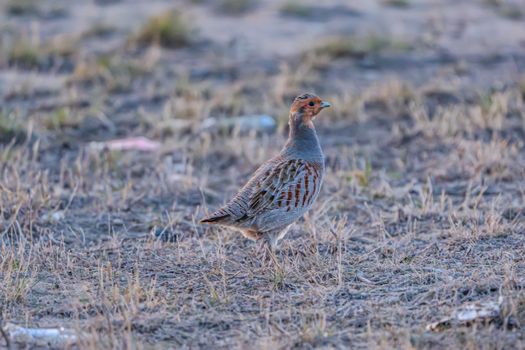
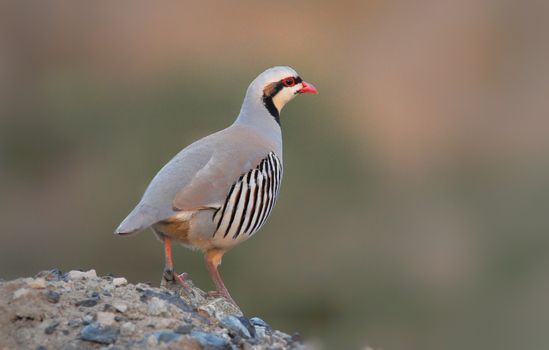
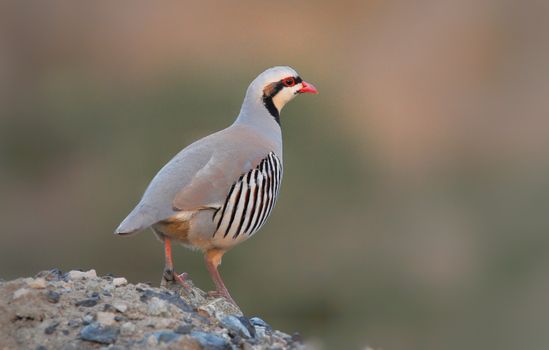
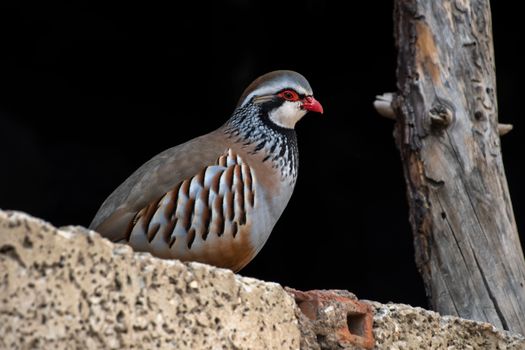
Partridges and grouse are more reliant on plant material and often require higher fiber diets. Red-legged partridges, for example, can develop digestive issues if their diet is too low in fiber or too high in energy-rich grains.
Wild game birds, such as grouse and woodcock, consume a broader variety of natural foods, including berries, buds, and invertebrates. For managed populations, providing access to natural forage alongside formulated feeds can help meet their broad nutritional needs and support natural behaviors.
The Impact of Nutrition on Health and Performance
Meeting the nutritional needs of game birds isn’t just about growth and egg production—it affects every aspect of their health, from disease resistance to plumage quality and reproductive performance.
A 2018 study by the University of Minnesota found that game birds on optimally balanced diets had 30% higher survival rates and 25% better reproductive success than those on suboptimal rations. Vitamin deficiencies, especially in A and E, are linked to poor hatchability, neurological disorders, and increased susceptibility to respiratory infections.
Feather condition, a key indicator of health and vigor, is directly tied to diet. Insufficient methionine or biotin leads to brittle, dull feathers and can impede flight in wild birds. Strong plumage is especially important for released birds, as it directly impacts their survival and predator evasion.
Egg quality and hatchability are also highly sensitive to nutrition. Inadequate calcium and vitamin D3 can result in up to 40% reduction in hatch rates. Supplementing breeder diets with extra calcium and vitamin D3 during laying season is a proven strategy to boost both egg quality and chick viability.
Formulating and Adjusting Diets: Practical Tips for Game Bird Keepers
With such diverse needs, how can game bird keepers ensure their flocks receive proper nutrition? Here are some practical strategies:
1. Use Species-Specific Feeds: Commercially formulated game bird feeds are available for major species and life stages. For example, starter, grower, and breeder feeds are tailored to the protein, vitamin, and mineral needs at each stage. 2. Supplement When Needed: Even the best commercial feeds may require supplementation, especially during breeding or periods of stress. Grit, oyster shell (for calcium), and vitamin pre-mixes are common additions. 3. Provide Natural Forage: Allowing birds access to pasture, insects, and greens not only improves nutrition but also encourages natural foraging behaviors, reducing boredom and pecking. 4. Monitor Body Condition: Regularly check birds for signs of underfeeding (weight loss, poor feathering) or overfeeding (obesity, lethargy). Adjust rations as needed. 5. Ensure Fresh Water: Dehydration can quickly become fatal, especially during hot weather or periods of rapid growth. Automatic waterers and daily cleaning help maintain water quality. 6. Adjust for Weather and Season: Cold weather increases energy demands, while breeding season boosts protein and calcium requirements. Be prepared to modify feed formulations accordingly.Final Thoughts on Providing Optimal Nutrition for Game Birds
Understanding and meeting the nutritional needs of game birds is both a science and an art. The right diet supports vigorous growth, robust health, and optimal productivity, while poor nutrition can undermine even the best management efforts. By considering species-specific requirements, life stage needs, and the unique digestive traits of game birds, keepers can tailor feeding strategies that promote not just survival, but thriving flocks.
The science is clear: nutrition is a cornerstone of game bird management. With careful attention to diet composition, supplementation, and feeding practices, game bird keepers can ensure their birds are healthy, productive, and ready for whatever role they are destined to fill—whether in the wild, on the farm, or as cherished wildlife.