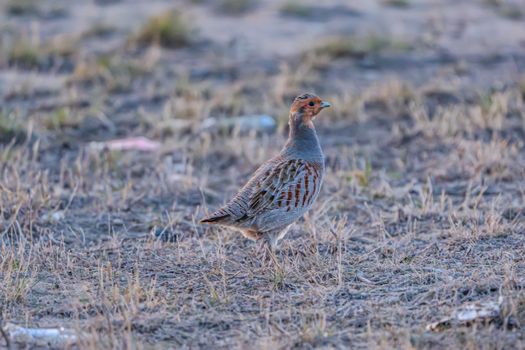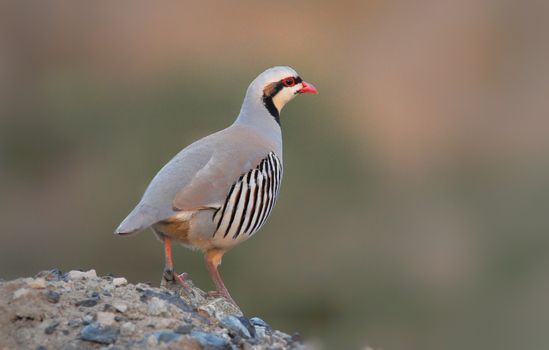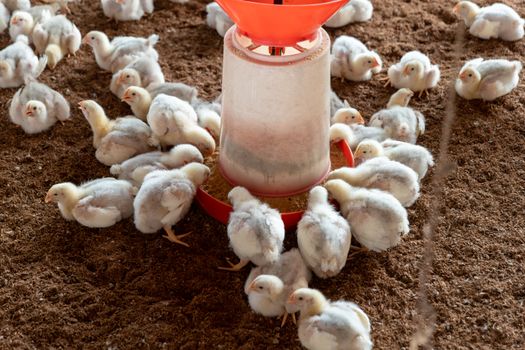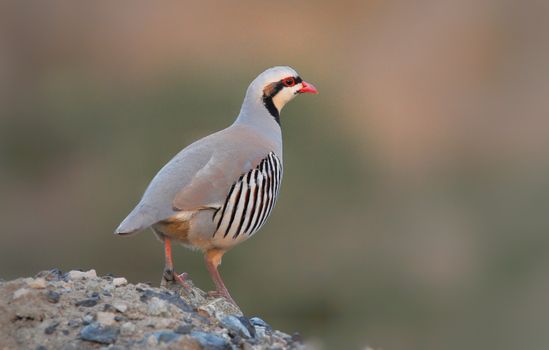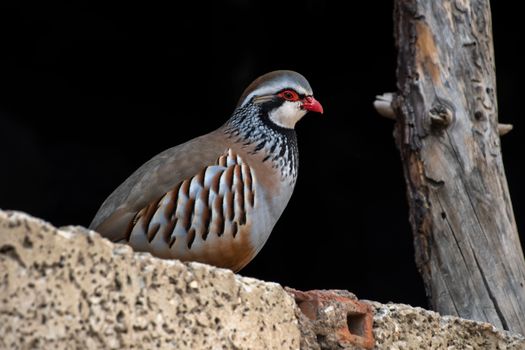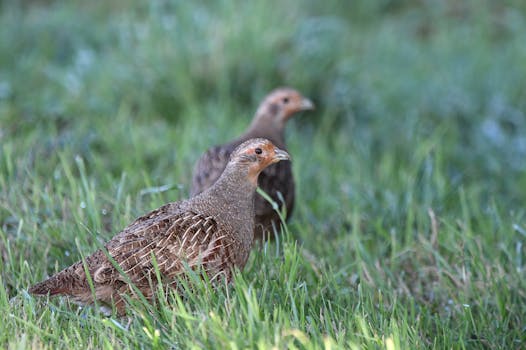
Farming Chukar partridges can be a rewarding venture, blending the appeal of game bird rearing with niche market opportunities. However, the success of your Chukar operation starts long before the birds arrive on your property. Choosing the right Chukar partridge for your farm is a critical step that can influence productivity, flock health, and profitability. With the increasing popularity of Chukar farming across North America, Europe, and Asia, understanding how to select top-quality birds has never been more crucial. This article will walk you through the essential factors to consider, from genetic lines to adaptability, and help you make informed choices for your flock’s future.
Understanding Chukar Partridge Genetics and Lineage
The genetic background of your Chukar partridges is a foundational concern. Not all Chukars are created equal; birds bred for sport, meat, or egg production may display different traits. According to a 2022 report by the Game Bird Breeders Association, Chukar partridges from lines selected for rapid growth can reach market weight (500-700 grams) in as little as 8 weeks, while traditional or wild-type lines may require up to 12 weeks.
Genetic factors to consider:
- Growth Rate: Fast-growing strains are ideal for commercial meat production, while slower growers may be preferred for hunting preserves due to their agility and stamina. - Disease Resistance: Some bloodlines offer improved resistance to common avian diseases, such as avian pox or coccidiosis. This can significantly reduce mortality rates, which average 15% in poorly managed flocks but can be cut to below 5% with robust genetics and proper care. - Egg Production: Selective breeding has produced Chukar hens capable of laying up to 60 eggs per season, compared to the 40-egg average in heritage lines. - Temperament: Calm, less flighty birds are easier to manage in confined or semi-free-range systems.Always request pedigree information from breeders and, if possible, visit the breeding facility. Birds with traceable, reliable lineage ensure you are investing in stock that matches your farm’s goals.
.png)
Assessing Age, Health, and Physical Condition
When choosing Chukar partridges, age and physical health should never be overlooked. Healthy birds are more likely to thrive and less likely to introduce diseases to your farm.
Key assessment points:
- Age: Day-old chicks are cost-effective and adapt well to new surroundings, but require more intensive brooding. Started birds (4-8 weeks old) have higher survival rates but cost more upfront. - Plumage: Look for smooth, shiny feathers and intact wing and tail feathers. Patchy, dull, or broken plumage may indicate stress, illness, or poor nutrition. - Eyes and Nostrils: Eyes should be bright and clear; nostrils free of crust or discharge. - Activity Level: Healthy Chukars are alert, quick to react to movement, and stand upright. - Weight: Birds should feel firm and well-muscled, not emaciated or overly fat.It’s worth noting that, according to University of Arkansas poultry research, Chukar chicks with a body weight 10-15% below breed standard at two weeks are at a much higher risk for developmental problems.
Evaluating Source Reputation and Biosecurity Standards
The reliability of your bird supplier is as important as the birds themselves. Reputable breeders and hatcheries invest in better parent stock, maintain comprehensive records, and adhere to strict biosecurity protocols.
Questions to ask your supplier:
- Do they provide health certificates and vaccination records? - What biosecurity measures are in place to prevent disease? - Are their birds regularly tested for common pathogens such as Salmonella and Mycoplasma? - Can they provide references from other farmers?Biosecurity breaches can devastate a flock. For example, the 2018 outbreak of Newcastle Disease in California wiped out over 1.2 million birds across several operations, many traced to poorly sourced, untested stock. Choosing a supplier with a track record of healthy, disease-free birds protects your investment and local wildlife.
Adapting to Your Farm’s Climate and Environment
Chukar partridges are native to arid and semi-arid regions, but adaptability varies between strains. Before purchasing, consider your local environment and how specific Chukar lines will cope.
Key environmental considerations:
- Temperature Tolerance: Some Chukar lines, particularly those bred in Mediterranean or Middle Eastern climates, handle heat better, while others bred in cooler regions of Central Asia may fare better in northern latitudes. - Humidity: High humidity can predispose Chukars to respiratory diseases. If you farm in a humid climate, source birds from similar environments or plan for additional ventilation and dry bedding. - Space and Habitat: Chukars are active birds. Overcrowding or unsuitable terrain can lead to feather pecking and stress, which reduces productivity.According to the USDA, optimal stock density for Chukar partridges in commercial systems is 20-25 birds per square meter for chicks, decreasing to 8-10 per square meter at maturity.
Comparing Costs and Expected Returns of Different Chukar Types
Making a wise choice involves weighing up-front costs against long-term gains. The table below outlines key differences between standard, hybrid, and heritage Chukar partridges.
| Chukar Type | Average Cost per Bird (USD) | Growth Rate (to 700g) | Egg Production (per year) | Survival Rate (first 8 weeks) |
|---|---|---|---|---|
| Standard Commercial | $4.00 | 8-9 weeks | 50 eggs | 92% |
| Hybrid Fast-Growth | $5.50 | 7-8 weeks | 60 eggs | 95% |
| Heritage/Wild-Type | $3.00 | 10-12 weeks | 40 eggs | 85% |
While hybrid fast-growth Chukars have a higher initial cost, their rapid weight gain and higher egg output can lead to better returns, especially in commercial meat or egg operations. Heritage types, on the other hand, may be well-suited for game release or specialty markets.
Planning for Flock Expansion and Breeding
Your initial choice of Chukar partridges will impact future breeding and expansion plans. If you intend to hatch your own chicks, start with unrelated breeding pairs or trios to maintain genetic diversity and minimize the risk of inbreeding.
Considerations for breeding stock:
- Sex Ratio: A typical breeding group is one male to three females. Too many males can cause aggression and stress. - Record Keeping: Track the origin and lineage of each bird to avoid close relatives mating. - Performance Monitoring: Select breeders based on desired traits—growth rate, egg size, or disease resistance.If you lack the time or resources for breeding, purchasing new chicks annually from a reliable supplier may be more efficient and ensure continued productivity.
Final Thoughts: Making the Best Chukar Partridge Choice for Your Farm
Selecting the right Chukar partridge for your farm is a multifaceted decision. By carefully evaluating genetic lines, physical health, source reputation, environmental adaptability, and long-term goals, you set your farm on a path to success. The initial effort spent researching and selecting quality stock will pay dividends in healthier birds, higher yields, and a more resilient operation. Remember, the cheapest option up front isn’t always the most profitable in the long run. Invest in birds that align with your specific farming objectives and environmental conditions for the best results.