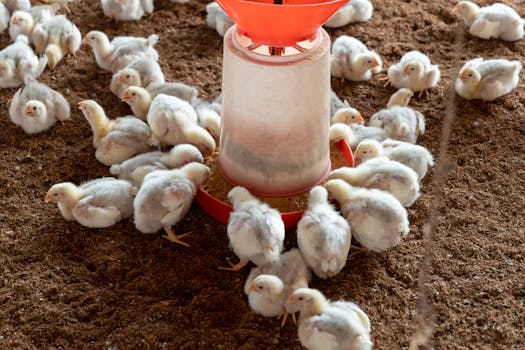
Raising Chukar Chickens for Meat: Best Practices and Essential Tips
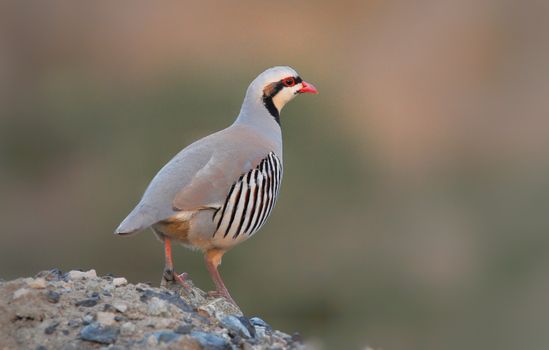
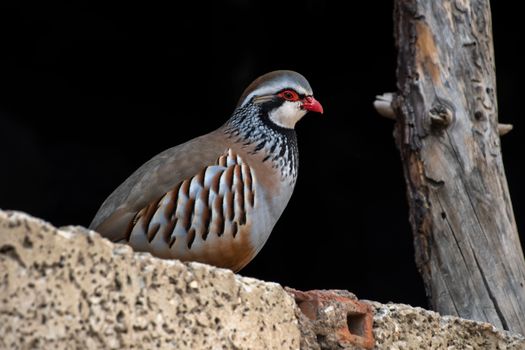
If you’re looking for a unique, flavorful alternative to conventional poultry, Chukar chickens offer a compelling choice for small-scale farmers and homesteaders. Known for their lean, tender meat and rapid growth, Chukar partridges (often called Chukar chickens) have surged in popularity as a specialty meat bird. Whether you’re considering raising them for your family table or for local niche markets, mastering the art of Chukar meat production requires attention to detail, specialized care, and a clear understanding of their unique needs.
This comprehensive guide explores the best practices for raising Chukar chickens specifically for meat production, covering everything from optimal housing and feeding to humane processing techniques and marketing strategies. Along the way, you’ll discover practical tips, real-world examples, and data-driven insights to help you succeed.
Why Raise Chukar Chickens for Meat?
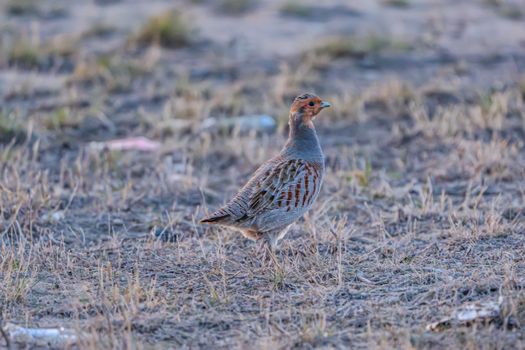
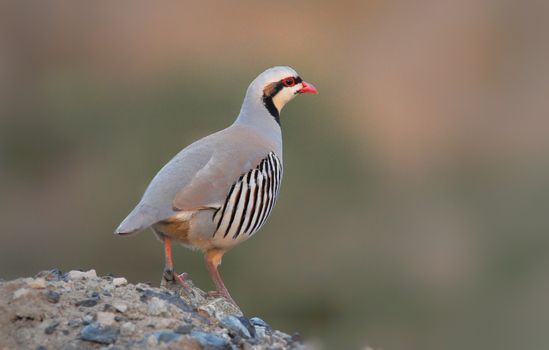
Chukar chickens, native to Eurasia, are prized for their robust flavor and adaptability to various climates. Their meat is leaner than traditional chicken, and they mature quickly—often reaching market weight in just 16-18 weeks. According to a 2023 industry report, the demand for game birds like Chukar has grown by over 20% in the past five years, fueled by gourmet restaurants and health-conscious consumers seeking alternatives to factory-farmed chicken.
.png)
Key advantages to raising Chukar chickens for meat include:
- Rapid growth: Chukars can reach 550-650 grams (1.2-1.4 pounds) live weight by 16 weeks. - Feed efficiency: Chukars convert feed to body mass efficiently, requiring about 2.5 kg of feed per kilogram of gain. - Disease resistance: Compared to some poultry breeds, Chukars are relatively hardy. - Market appeal: Their unique flavor and low-fat profile command higher prices—often $10-$20 per processed bird in specialty markets.Optimizing Housing and Environment for Meat Chukars
One of the first steps to successful Chukar meat production is creating the right environment. Unlike broiler chickens, Chukars are flighty and stress-prone, which can impact meat quality and growth rates if not managed properly.
Space and Enclosure
Chukars require more space per bird than broiler chickens. For meat production, allocate at least 1.5 square feet per bird indoors and 3-4 square feet if providing outdoor runs. Overcrowding can lead to aggression, feather pecking, and slower growth.
Bedding and Cleanliness
Dry, absorbent bedding—such as wood shavings or chopped straw—is essential to prevent foot problems and maintain healthy growth. Clean bedding weekly, and ensure good ventilation to reduce ammonia buildup, which can stunt growth and affect meat flavor.
Temperature Control
Chukar chicks need a warm brooder (95°F for the first week, reduced by 5°F weekly), but older birds thrive in cooler temperatures. Sudden temperature drops can stress birds, so gradual changes are best. For optimal meat quality, minimize stressors like loud noises or overcrowding.
Best Feeding Practices for Fast, Healthy Growth
Nutrition is the cornerstone of efficient meat production. Chukar chickens require a diet higher in protein than typical broilers, especially during the first 8 weeks.
Starter Feed (0-6 Weeks)
Feed a 28-30% protein game bird starter crumble. This high-protein diet supports rapid muscle development. Expect chicks to consume about 0.7-0.9 kg (1.5-2 pounds) of feed each during this period.
Grower Feed (7-14 Weeks)
Transition to a 20-22% protein grower feed. Maintain constant access to clean water, as Chukars are sensitive to dehydration, which can impact both growth and meat quality.
Finisher Feed (15 Weeks to Processing)
Switch to a 16-18% protein finisher feed 2-3 weeks before processing. This helps minimize excess fat deposition and improves meat texture. Some producers supplement with cracked grains or greens, but always prioritize a balanced, commercially formulated feed for consistent results.
Supplements
Grit is essential for digestion, as Chukars do not have teeth. Place small dishes of chick grit in the pen from the first week. For optimal bone strength, ensure the diet contains at least 1% calcium.
Processing and Handling: Ensuring Quality and Humane Practices
When Chukars reach market weight (usually at 16-18 weeks), handling them correctly during processing is vital for meat quality and animal welfare.
Pre-Processing Preparation
Withhold feed for 8-12 hours before processing to reduce gut content and improve cleanliness. Always provide access to water.
Humane Processing
Chukars are smaller and more delicate than chickens, requiring careful handling. Use appropriately sized cones or crates to minimize stress. A rapid, humane kill is crucial—not only for ethics but to prevent bruising and poor-quality meat. Most small-scale producers use manual methods, but ensure compliance with local regulations.
Chilling and Storage
Immediately after processing, chill carcasses to 40°F (4°C) or below within 2 hours. This step is vital for food safety—a 2021 USDA study found that rapid chilling reduces the risk of bacterial contamination by 70%. Vacuum-seal and freeze birds if not selling fresh; properly processed Chukar meat can be stored for up to 12 months without significant loss of flavor.
Comparing Chukar Chickens to Other Meat Birds
If you’re weighing Chukars against more common poultry options, it’s important to consider feed efficiency, time to market, and market price. Here’s a comparative overview:
| Species | Market Age (Weeks) | Feed Conversion Ratio | Typical Market Weight (g) | Average Sale Price (USD/Bird) |
|---|---|---|---|---|
| Chukar Chicken | 16-18 | 2.5:1 | 600-700 | $10-$20 |
| Broiler Chicken | 6-8 | 1.8:1 | 2,000-2,500 | $2-$5 |
| Coturnix Quail | 6-7 | 2.7:1 | 150-180 | $4-$7 |
| Guinea Fowl | 12-15 | 3.0:1 | 1,200-1,600 | $8-$15 |
As the table shows, Chukar chickens take longer to grow than broiler chickens but offer a higher sale price per bird and a unique selling proposition for gourmet or health-oriented markets.
Marketing and Selling Chukar Chicken Meat
Successfully raising Chukar chickens for meat is only half the battle; connecting with the right buyers and markets is equally important.
Identifying Your Market
Chukar meat appeals to foodies, chefs, and health-conscious consumers. In the United States, over 90% of Chukar meat is sold directly to restaurants, at farmers’ markets, or through specialty retailers. For small-scale producers, local food festivals and farm-to-table events are ideal venues for introducing this niche product.
Labeling and Regulations
Always check local and state regulations regarding the sale of processed poultry. In many states, small producers can sell directly to consumers under exemptions for on-farm processing (often up to 1,000 birds per year). Accurate labeling—highlighting “free-range,” “all-natural,” or “locally raised”—can boost consumer trust and increase sales.
Pricing Strategies
Given their premium status, Chukar chickens can fetch $12-$20 per bird retail, compared to $4 for a supermarket broiler. Offer samples at local events, provide recipe cards, and emphasize the bird’s unique flavor profile and lean meat.
Final Thoughts on Raising Chukar Chickens for Meat
Raising Chukar chickens for meat is a rewarding venture for those seeking to diversify their farm or tap into the growing market for gourmet game birds. Their rapid growth, efficient feed conversion, and high market value make them a practical yet specialty choice. Success hinges on understanding their unique needs, providing optimal nutrition, maintaining a clean environment, and processing humanely.
With the right approach, Chukar chickens can be a profitable addition to any small farm or homestead, offering both personal satisfaction and financial rewards. By implementing the best practices outlined in this guide, you’ll be well-equipped to produce high-quality Chukar meat that stands out in the marketplace.