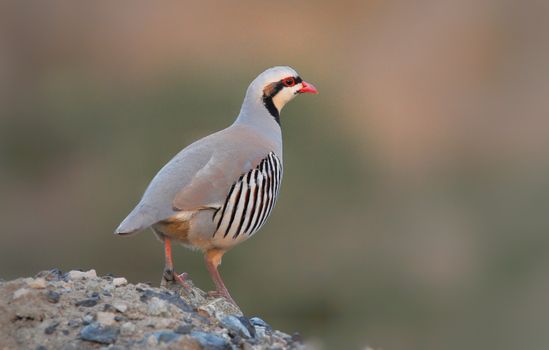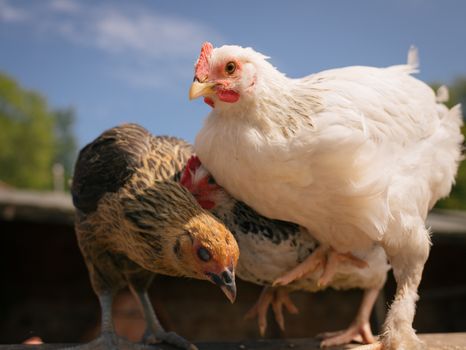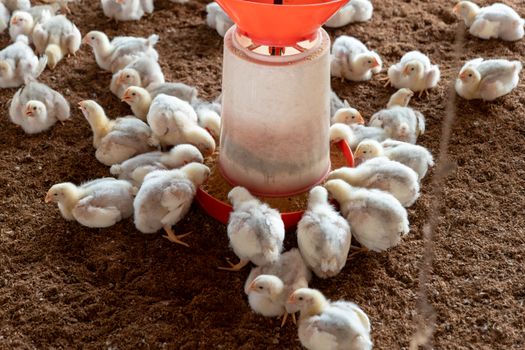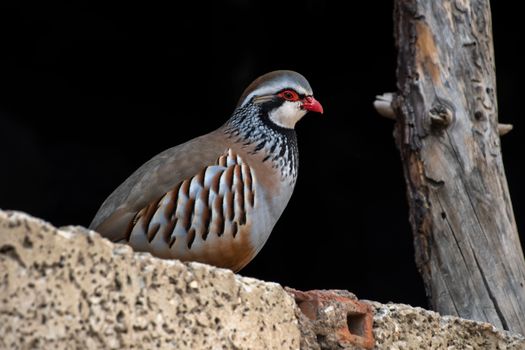
Managing a game bird farm is a unique blend of agriculture, wildlife management, and business acumen. Whether you are raising pheasants, quail, partridges, or other game birds for hunting preserves, restocking programs, or specialty markets, the success of your operation hinges on strategic management practices. The complexity of a game bird farm goes far beyond simply feeding and housing the birds—effective management requires meticulous planning, resource allocation, disease prevention, and market awareness. In this article, we explore effective management strategies that set top-performing game bird farms apart, focusing on core operations, risk mitigation, innovation, and optimizing productivity.
Strategic Planning and Goal Setting
Every successful game bird farm begins with a clear vision and well-defined objectives. Strategic planning is not just for large agricultural enterprises—it’s just as crucial for small and mid-sized game bird farms. Setting measurable goals for production, revenue, bird health, and market expansion enables farm operators to make informed decisions and track progress over time.
According to the USDA, the game bird industry in the United States produces over 50 million birds annually, with pheasants and quail leading the market. By reviewing market trends and demand cycles, farm managers can time their breeding, hatching, and release schedules for maximum profitability. For instance, aligning your production cycle with hunting season peaks or regional stocking programs can result in better prices and reduced holding costs.
.png) Strategic planning should also include:
- Diversification of bird species to buffer against market fluctuations.
- Budget forecasts considering feed costs, labor, and infrastructure upgrades.
- Contingency plans for disease outbreaks or feed supply disruptions.
Strategic planning should also include:
- Diversification of bird species to buffer against market fluctuations.
- Budget forecasts considering feed costs, labor, and infrastructure upgrades.
- Contingency plans for disease outbreaks or feed supply disruptions.
Optimizing Habitat and Facility Design
The design and maintenance of your habitat and facilities play a critical role in bird health, welfare, and productivity. Unlike commercial poultry, game birds require environments that mimic natural habitats to exhibit healthy behaviors and reduce stress. This management aspect affects everything from growth rates to feather quality, which in turn impacts market value.
Key elements of effective habitat management include: - Rotational grazing systems to prevent overuse and parasite buildup. - Vegetation management for cover, foraging, and predator control. - Modular aviary systems to allow for easy cleaning, separation of age groups, and biosecurity.Investment in proper fencing and netting is essential. For example, heavy-duty nylon netting with a mesh size of 1.5 inches is recommended for pheasants to prevent escapes and deter predators. Well-designed shelters provide shade, windbreaks, and protection from extreme weather, reducing mortality rates significantly. According to a 2021 survey by the North American Gamebird Association, farms with dedicated shelter zones report up to 30% lower losses during severe weather events.
Precision Nutrition and Feed Management
Nutrition management in game bird farming is more complex than in standard poultry operations, due to the variety of species and their specialized dietary needs. Each species, and even different life stages within a species, require tailored feed formulations to ensure optimal growth, reproductive success, and feather quality.
Game bird feed typically contains 24-28% protein for chicks, tapering to 18-20% for adults. The inclusion of grit, minerals, and access to natural foraging opportunities enhances gut health and reduces feed costs. Automated feed delivery systems can further improve efficiency and minimize waste.
A comparison of feeding strategies is illustrated below:
| Feeding System | Labor Requirement | Feed Waste (%) | Initial Cost | Suitability |
|---|---|---|---|---|
| Manual Feeding | High | 10-15 | Low | Small-scale farms |
| Automated Feeders | Low | 3-5 | Medium-High | Medium to large-scale farms |
| Pasture-Based Supplementation | Medium | 5-8 | Medium | Organic/natural farms |
Regular feed analysis and adjusting rations based on seasonal needs or bird growth stages can improve feed conversion ratios by up to 12%, as reported by the University of Georgia’s Poultry Science Department.
Comprehensive Biosecurity and Health Management
Disease prevention is paramount on any game bird farm. Birds are susceptible to a range of bacterial, viral, and parasitic diseases, many of which can spread rapidly and devastate flocks. Implementing comprehensive biosecurity measures is non-negotiable.
Best practices in biosecurity include: - Controlled access zones for staff and visitors. - Disinfection protocols for equipment and vehicles. - Quarantine procedures for new or returning birds. - Regular health monitoring and vaccination schedules.A 2023 industry report revealed that farms with written biosecurity protocols experienced 40% fewer disease outbreaks compared to those with informal or no plans. Additionally, working closely with veterinarians and avian specialists enables early detection of health issues, reducing treatment costs and mortality.
Integrated pest management (IPM) is another crucial aspect, targeting rodents, insects, and other vectors that can introduce or spread disease. Biological controls, such as introducing beneficial insects, and physical barriers, like rodent-proof storage bins, are effective non-chemical solutions.
Data-Driven Management and Technology Integration
Incorporating technology into farm management can transform productivity and decision-making. Data-driven approaches, such as digital record-keeping, RFID tagging, and environmental sensors, allow for precise monitoring of bird populations, growth rates, and environmental conditions.
Key technological tools for game bird farms include: - Cloud-based flock management software for tracking breeding, hatching, and sales. - Automated climate controls in brooder houses to maintain optimal temperature and humidity. - Surveillance cameras to monitor predator activity and bird behavior remotely.The adoption of such innovations can reduce labor hours by up to 25% and improve flock tracking accuracy. For example, RFID tracking enables individual bird identification, making it easier to monitor genetic lines, breeding performance, and health history.
Moreover, leveraging data analytics helps in forecasting demand, identifying inefficiencies, and benchmarking performance against industry standards. Farms that monitor and act on data trends typically achieve higher survival rates and better financial outcomes.
Market Positioning and Customer Relationship Management
Effective game bird farm management extends beyond the farm gate. Building a strong market presence and cultivating reliable customer relationships are essential for sustained success. The game bird industry serves a range of clients—hunting preserves, wildlife agencies, specialty meat markets, and even private landowners.
Key strategies include: - Developing a recognizable brand and online presence. - Providing value-added services, such as delivery, on-site release, or consultancy. - Attending industry trade shows and networking events to connect with buyers. - Soliciting customer feedback and refining offerings accordingly.According to the North American Gamebird Association, farms with active marketing and customer engagement programs report 20% higher repeat business than those relying solely on traditional word-of-mouth. Additionally, diversifying sales channels—such as direct-to-consumer, wholesale, and contract rearing—reduces risk and increases revenue stability.
Conclusion
Running a game bird farm requires a multifaceted management approach that integrates strategic planning, optimal facility design, precision nutrition, robust health protocols, cutting-edge technology, and strong market positioning. By focusing on these effective management strategies, farm operators can improve productivity, ensure bird welfare, and enhance profitability in a competitive industry.
Whether you are new to the field or looking to upgrade your current practices, adopting these proven techniques can help you build a resilient and successful game bird farming business. Remember: proactive management, continuous learning, and adaptability are the cornerstones of long-term success in this dynamic industry.