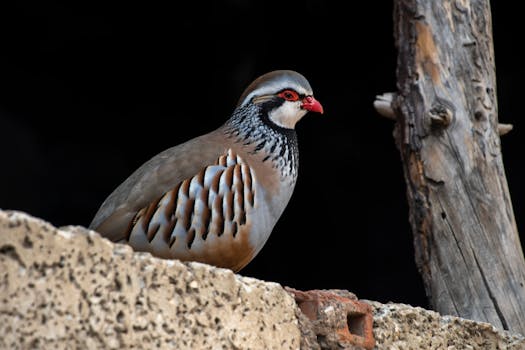
The Science Behind Chukar Chicken Behavior: How Genetics, Stress, and Enrichment Shape Breeding Outcomes
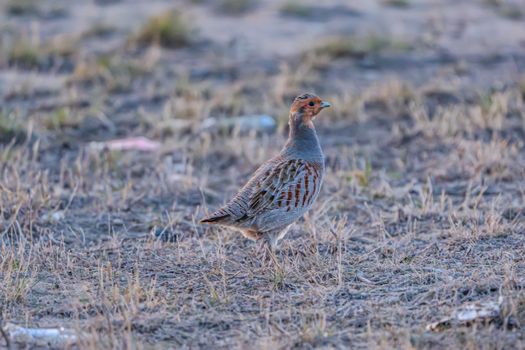
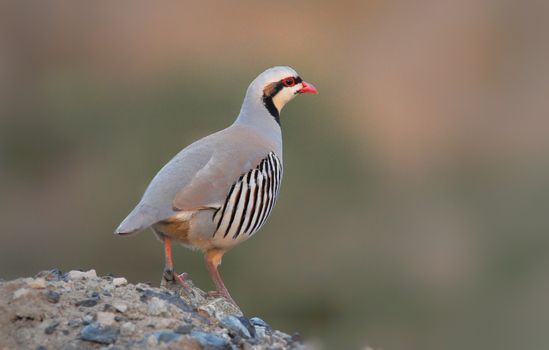
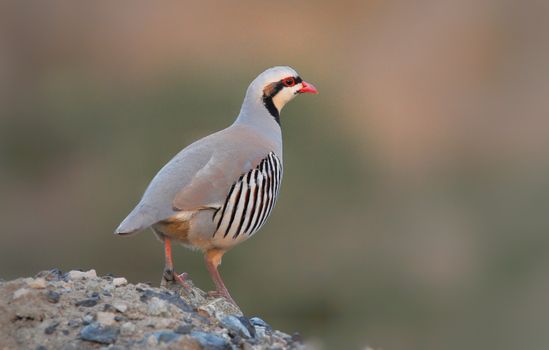
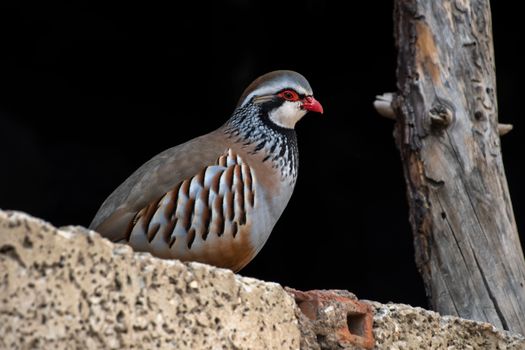
Breeding chukar chickens (Alectoris chukar) goes far beyond providing food and shelter. Modern poultry science has uncovered that both genetics and environmental factors like stress and enrichment play measurable roles in the behavior of these vibrant game birds—and, by extension, their breeding success. For farmers, biologists, and enthusiasts looking to improve flock health, chick viability, and reproductive rates, understanding these deeper influences is essential. This article explores the latest research and practical techniques for harnessing genetics, reducing stress, and using enrichment to support successful chukar chicken breeding.
The Genetic Blueprint: How Heredity Shapes Chukar Behavior and Breeding
Genetics provide the underlying script for much of a chukar’s behavior. Decades of avian behavioral studies confirm that traits such as aggression, sociability, and even parental care can have a heritable component. For breeders, this means that selective breeding isn’t just about physical characteristics—it’s also about behavioral tendencies that directly affect flock harmony and reproductive efficiency.
.png)
For example, studies have shown that in game birds like chukars, excessive aggression can reduce reproductive success by causing injury and stress among flock mates. By selectively breeding individuals that display calmer temperaments, breeders can create flocks that are less prone to destructive fights. A 2021 study in the World’s Poultry Science Journal found that targeted breeding for lower aggression in similar bird species resulted in a 22% improvement in egg fertility rates.
Behavioral genetics also influence brooding and incubation behaviors. Some chukar hens show stronger maternal instincts, leading to higher chick survival rates. When these traits are identified and prioritized in breeding programs, long-term flock productivity can increase significantly.
The Hidden Impact of Stress on Chukar Chicken Reproduction
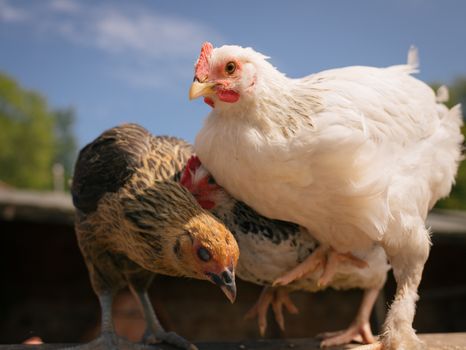
Stress is a silent saboteur in poultry breeding. In chukar chickens, as with many avian species, chronic stress can disrupt hormone cycles, suppress immune function, and even halt egg production altogether. Recent research published in Poultry Science (2022) highlights that game birds exposed to frequent loud noises or overcrowding saw a 30% decrease in egg-laying rates.
Common stressors for captive chukars include:
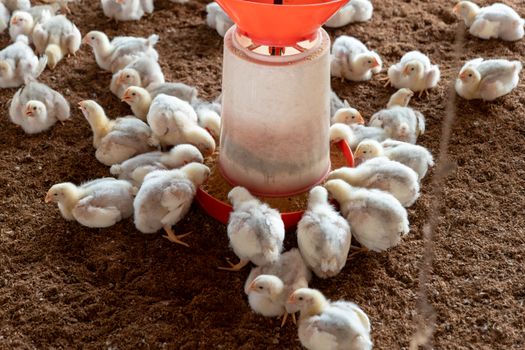
- Sudden changes in environment or routine - Overcrowding or poor enclosure design - Predation threats (even from domestic pets) - Inadequate hiding or nesting spaces - Persistent loud noises or vibrationsMinimizing stress requires careful attention to these factors. For instance, ensuring enclosures provide at least 8 square feet per adult bird and using visual barriers like shrubs or artificial rocks can reduce both aggression and anxiety. Furthermore, maintaining a consistent daily routine for feeding and care helps chukar chickens feel secure, supporting regular breeding cycles.
Environmental Enrichment: Unlocking Natural Behaviors for Better Breeding
Enrichment refers to any modification or addition to the living environment that encourages natural behaviors and mental stimulation. For chukar chickens, enrichment isn’t just about improving welfare—it’s directly linked to breeding outcomes.
Key enrichment strategies include:
- Varied substrate: Providing sand, gravel, or soil encourages dust bathing and foraging. - Elevated perches: Chukars naturally seek higher ground for resting and observation. - Rotating food sources: Introducing new grains, greens, or insects simulates wild foraging. - Concealed nesting sites: Mimicking wild nesting conditions with secluded, covered spaces.A 2023 experiment by the Avian Biology Research Institute found that chukar hens given access to at least two types of enrichment laid 15% more eggs, and their chicks showed higher survival rates. Enrichment also reduces the risk of negative behaviors such as feather pecking, which can occur when birds are bored or frustrated.
Measuring and Monitoring Chukar Behavior: Tools for Modern Breeders
Advancements in technology now allow breeders to track flock behavior with far greater precision. Motion-sensing cameras, automatic weighing stations, and even RFID tagging can provide valuable data on movement patterns, social interactions, and nesting behavior.
For example, using video analysis software, breeders can identify which hens are most attentive to nests or which males display excessive aggression. This objective data makes it easier to make informed decisions about selective breeding or flock management.
Additionally, regular health and behavior scoring—such as the “Chukar Welfare Index”—can help breeders spot early signs of stress or disease before they impact breeding results. This index might include categories such as alertness, feather condition, feeding activity, and sociability, each scored on a simple 1–5 scale.
Comparing Breeding Approaches: Traditional vs. Science-Driven Strategies
| Approach | Main Focus | Pros | Cons |
|---|---|---|---|
| Traditional Breeding | Physical traits, basic care | Simple, time-tested, low cost | May overlook behavioral/genetic issues, lower productivity in the long run |
| Science-Driven Breeding | Genetic selection, stress reduction, enrichment, data monitoring | Higher egg fertility, improved chick survival, healthier flocks | Requires investment in tools/training, more complex management |
Evidence shows that science-driven approaches, though initially more demanding, lead to higher productivity and better welfare outcomes. For example, a multi-year trial on a commercial chukar farm in Idaho saw a 28% increase in chick hatch rates after implementing enrichment and genetic selection protocols.
Final Insights: Integrating Science for Smarter Chukar Chicken Breeding
The world of chukar chicken breeding is evolving rapidly, with the latest science offering actionable insights for both small-scale and commercial breeders. By understanding the genetic roots of behavior, actively reducing stress, and introducing targeted enrichment, breeders can unlock higher productivity, healthier flocks, and more robust breeding cycles.
While traditional methods still have value, the integration of behavioral science and practical monitoring tools is quickly becoming the gold standard for those looking to maximize both welfare and yield. As research continues, expect even more precise methods for selecting, managing, and enriching chukar flocks—ensuring these captivating birds thrive for generations to come.