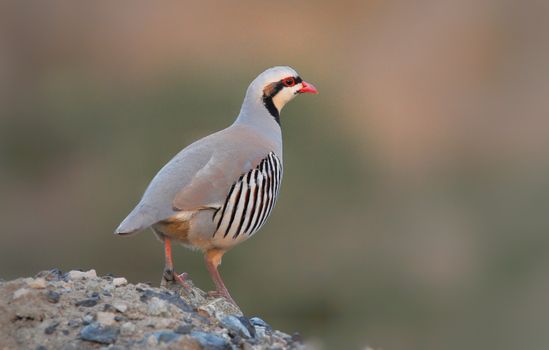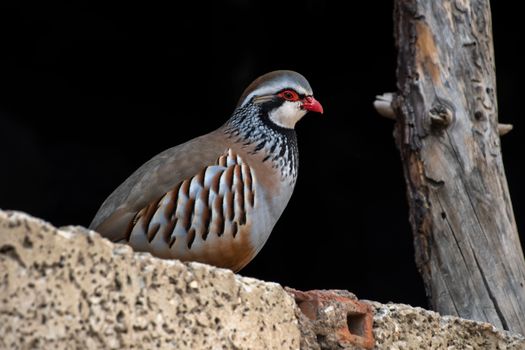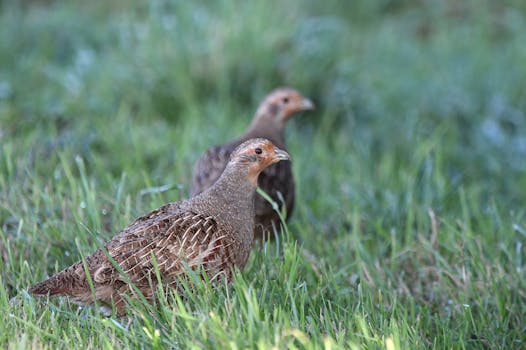
Chukar Partridge Breeding: How to Choose the Right Feed for Optimal Development
Chukar partridges (Alectoris chukar) are prized game birds and an increasingly popular choice for small-scale and commercial poultry breeders worldwide. With their robust nature, rapid growth, and strong market demand, chukars can be a rewarding venture—provided their nutritional needs are met from day one. The right feed can mean the difference between a thriving, productive flock and one plagued by health issues, stunted growth, or low reproduction rates. Selecting the optimal feed at each stage of development is crucial for breeders aiming for the best results.
This article explores the science and practicalities behind choosing the right feed for chukar partridge breeding. We’ll examine feed formulations, key nutrients, feeding strategies, and how commercial and homemade options compare. Whether you’re a new breeder or seeking to improve your results, understanding the link between feed choice and optimal development is essential for long-term success.
The Nutritional Needs of Chukar Partridges at Different Life Stages
Chukar partridges experience rapid growth and development, especially during their first 8 weeks of life. Their nutritional requirements shift dramatically as they progress from hatchlings to egg-laying adults. Understanding these changes is the foundation for feed selection.
.png)
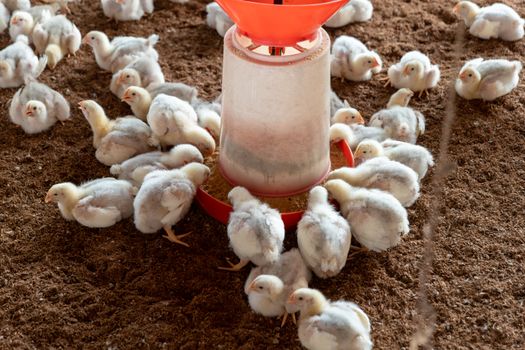
Chick Stage (0-6 weeks): Chukar chicks require high-protein diets to support rapid muscle and skeletal development. A protein content of 26-28% is recommended during the first two weeks, gradually tapering to 22-24% by week six. Essential amino acids like methionine and lysine are critical for feathering and tissue growth, while balanced calcium and phosphorus are vital for bone strength.
Grower Stage (6-16 weeks): As chicks mature, their protein requirements drop to 18-20%. Energy needs increase, so feed formulations should provide adequate calories from grains. Vitamins A, D3, and E are important for immune function and healthy plumage.
Breeder/Adult Stage (16+ weeks): Adult chukars, particularly breeders, need a maintenance diet with 15-18% protein and increased calcium (2.5-3%) to support eggshell production. Trace minerals such as selenium, zinc, and manganese are essential for fertility, hatchability, and overall reproductive health.
A deficiency at any stage—especially in protein, calcium, or key vitamins—can lead to poor growth, weak eggshells, reduced fertility, and higher mortality rates.
Commercial vs. Homemade Feed: Which Is Better?
When it comes to feeding chukar partridges, breeders face a choice between commercial feeds specifically formulated for game birds and homemade mixtures using locally available grains and supplements. Each approach has advantages and trade-offs.
| Feed Type | Advantages | Disadvantages | Best For |
|---|---|---|---|
| Commercial Game Bird Feed | Optimized nutrition, consistency, saves time, includes added vitamins/minerals | Higher cost, possible limited availability in some regions | Large-scale breeders, those prioritizing convenience and performance |
| Homemade Feed Mix | Cost control, flexibility, uses local ingredients | Labor-intensive, risk of nutritional imbalances, requires supplementation | Small-scale breeders, those with access to diverse grains |
For most breeders, especially those new to chukar partridges, starting with commercial game bird feed is recommended. These feeds are formulated based on scientific research and typically meet all nutritional requirements. However, experienced breeders with knowledge of poultry nutrition can successfully use homemade mixes, provided they carefully balance protein, energy, vitamins, and minerals. Supplements—such as fish meal, soybean meal, and commercial pre-mixes—are often needed to fill nutritional gaps in homemade feeds.
Key Ingredients and Additives for Optimal Chukar Development
A closer look at feed ingredients reveals why certain components are so important for chukars at every stage.
Protein Sources: High-quality protein is essential for growth and feather development. Commercial feeds often use soybean meal, fish meal, or alfalfa meal. For homemade mixes, combining wheat, corn, peas, and a protein supplement (like fish meal or dried mealworms) can achieve the necessary levels.
Energy Sources: Chukars need sufficient calories for activity and growth. Corn, wheat, millet, and sorghum are common energy-rich grains included in both commercial and homemade feeds.
Calcium and Phosphorus: These minerals are especially important during the laying season and in growing chicks. Oyster shell, limestone, and dicalcium phosphate are standard sources in formulated feeds.
Vitamins and Trace Minerals: Vitamin A strengthens immunity; D3 is crucial for calcium absorption; E supports fertility; and trace minerals like selenium, zinc, and manganese are vital for reproductive success and overall health.
Additives: Some breeders add probiotics, enzymes, or herbal extracts to promote gut health and improve feed efficiency. Grit is also important for digestion, especially if birds are eating whole grains.
A 2022 study published in Poultry Science found that chukar partridges fed a balanced diet containing 24% protein and 2.8% calcium during the breeder stage had a 17% higher egg-laying rate compared to birds fed a standard mixed-grain diet lacking supplements.
Adjusting Feed for Environmental and Seasonal Factors
Chukar partridges are hardy, but their dietary needs can change based on environment, climate, and season.
Cold Weather: Birds expend more energy maintaining body heat in cold conditions. Increasing the energy content of the feed—by adding more corn or fat sources—can help maintain body condition and egg production during winter.
Hot Weather: High protein and energy feeds can increase heat stress. In hot climates, slightly lowering protein while ensuring ample vitamins and electrolytes supports health. Providing cool, fresh water is also critical.
Breeding Season: During peak laying and breeding, the demand for calcium, protein, and certain vitamins increases. A breeder ration with at least 18% protein and 2.5-3% calcium is recommended. Failure to provide these nutrients can result in thin eggshells, poor hatchability, and reduced chick survival.
Molting: During molting, chukars need more protein (up to 22%) to support new feather growth. Adjusting the feed during this time can speed up recovery and minimize stress.
Feeding Management: Best Practices for Chukar Partridge Breeding
Feed quality is only part of the equation. How you manage feeding can have a major impact on flock health and development.
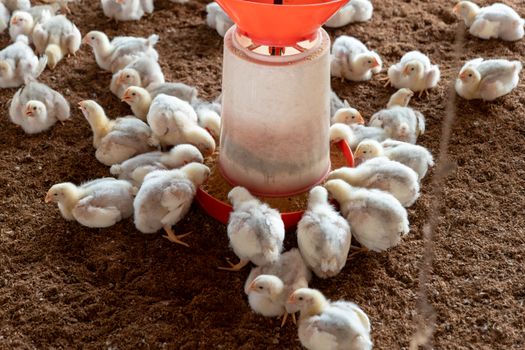
Feed Form: Crumbles are preferred for chicks as they’re easier to digest. Pellets can be offered to older birds. Whole grains should be introduced gradually, and grit must always be available to aid digestion.
Feeding Frequency: Chukar chicks should have constant access to fresh feed for the first six weeks. For older birds, 2-3 feedings per day prevent wastage and ensure all birds eat.
Cleanliness: Feeders should be cleaned regularly to prevent mold and bacterial growth. Contaminated feed is a common cause of illness and poor performance.
Monitoring Intake: A healthy chukar chick consumes about 1.5-2.0 grams of feed per day during the first week, increasing to 15-20 grams by six weeks. Adult birds eat 30-35 grams daily. Monitoring feed consumption can help detect health problems early.
Water: Clean, fresh water is as vital as feed. Dehydration or poor water quality quickly leads to reduced feed intake and poor development.
Common Feed-Related Problems and How to Avoid Them
Despite best efforts, feed-related issues can arise. Recognizing and addressing these problems early is key to flock success.
Nutritional Deficiencies: Signs include slow growth, poor feathering, thin eggshells, and low hatchability. Regularly reviewing feed formulations and using a reputable vitamin/mineral supplement can prevent most deficiencies.
Feed Contamination: Moldy or spoiled feed can cause mycotoxicosis, leading to lethargy, poor growth, or death. Store feed in dry, rodent-proof containers and use within 30 days of purchase.
Overfeeding or Underfeeding: Both can cause health problems. Overfeeding leads to obesity and poor egg production, while underfeeding causes stunted growth and weak birds. Calculate feed rations based on bird age and weight.
Pecking and Cannibalism: Nutrient imbalances, especially low protein or salt, can lead to feather pecking and cannibalism. Ensure feed is balanced and consider adding distractions or more space if aggressive behavior occurs.
Smart Feed Choices for Successful Chukar Partridge Breeding
For anyone breeding chukar partridges, feed selection is a vital tool for achieving optimal growth, high fertility, and robust flocks. Start with age-appropriate, nutritionally complete commercial feeds if possible, and transition to well-designed homemade mixes as your expertise grows. Pay attention to protein, calcium, vitamins, and seasonal needs. Remember that feeding goes hand-in-hand with clean water, good management, and regular observation.
Statistics show that breeders who follow science-based feed programs can achieve chick survival rates above 95%, and see up to 80 eggs per hen per year under optimal conditions. Investing in nutrition pays dividends in productivity, health, and profitability.