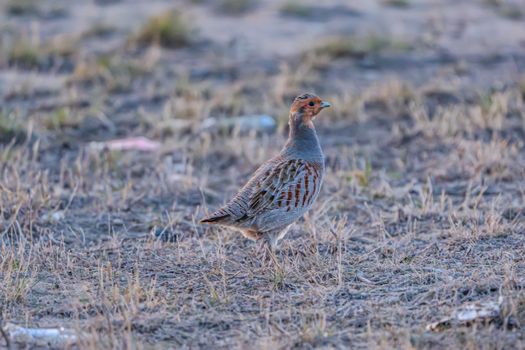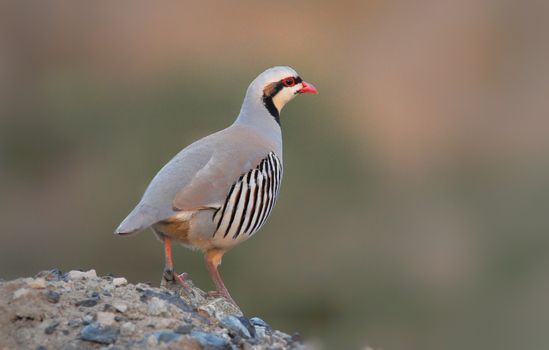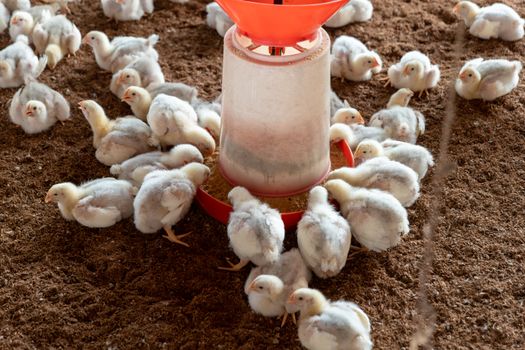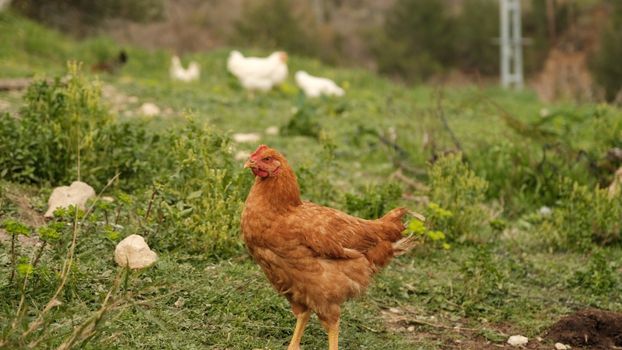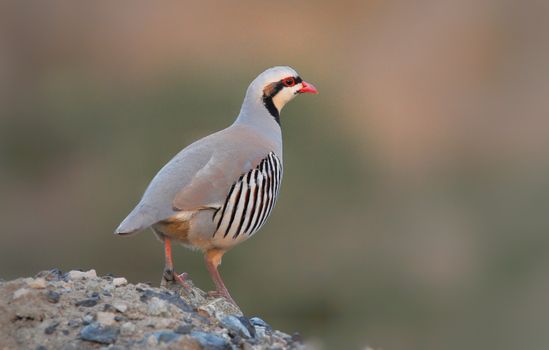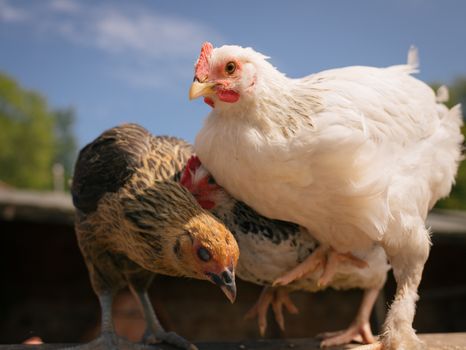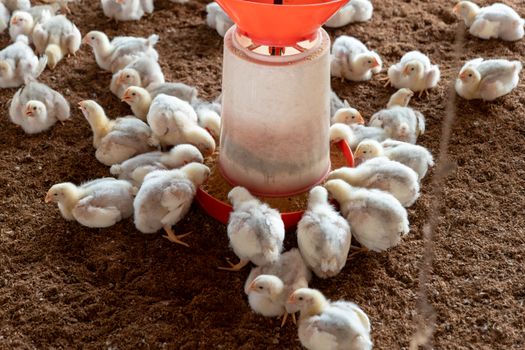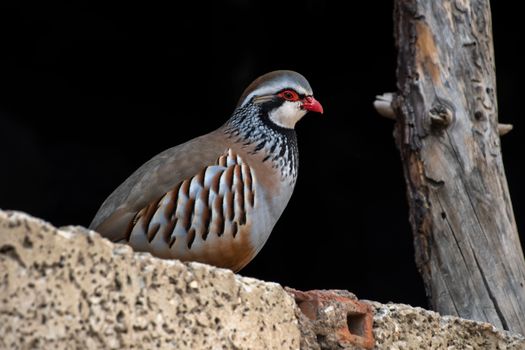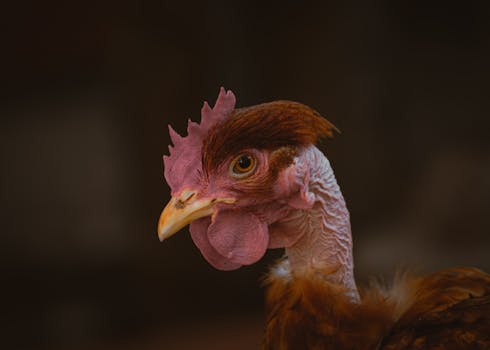
Chukar chickens, often called Chukar partridges (Alectoris chukar), are rapidly gaining attention among small-scale and commercial farmers alike. With their distinctive plumage, adaptability, and unique market niche, these birds offer both opportunities and challenges for those considering adding them to their farm. But before diving into Chukar farming, it's essential to weigh the advantages and disadvantages carefully. This article explores the key benefits and drawbacks of raising Chukar chickens, comparing them to other poultry, and helping you make an informed decision for your agricultural venture.
The Unique Appeal of Chukar Chickens on Farms
Chukar chickens originated in Eurasia and have established themselves in North America, particularly in arid and semi-arid regions. Farmers are drawn to Chukars for several reasons:
- Distinctive appearance and market demand: Their striking, barred flanks and red beaks set them apart from conventional poultry like chickens or quail. - Gamebird niche: Chukars are sought after by gourmet restaurants, hunting preserves, and specialty meat markets. - Hardy nature: Chukar chickens are known for their resilience, especially in dry climates.According to the U.S. Department of Agriculture, the demand for gamebird meat, including Chukar, rose by 18% between 2018 and 2022. This growth is attributed to the rise of farm-to-table restaurants and specialty meat retailers.
.png)
However, raising Chukar chickens is not without its challenges. Understanding both sides of the equation is crucial for long-term success.
Advantages of Raising Chukar Chickens
Chukar chickens offer several compelling benefits for farmers, both large and small. Here are some of the most notable advantages:
1. $1 Chukar partridges command a higher price per pound compared to traditional chicken or quail. In 2023, the average retail price for dressed Chukar meat in the U.S. was $9.50 per pound, compared to $4.10 for chicken and $7.80 for quail. 2. $1 Chukars are efficient feed converters, requiring about 2.8 pounds of feed to produce one pound of live weight. This efficiency is comparable to quail and significantly better than some heritage chicken breeds. 3. $1 Chukar chickens are naturally hardy, especially suited to arid and semi-arid environments. They display a strong resistance to many common poultry diseases such as coccidiosis and Newcastle disease, reducing the need for intensive medical interventions or antibiotics. 4. $1 Due to their smaller size (mature Chukars weigh about 20 ounces), these birds require less space than standard chickens. This makes them ideal for farmers with limited land or those wanting to maximize output on smaller plots. 5. $1 Chukar chicks reach marketable size in about 16-20 weeks, faster than many chicken breeds that can take 24 weeks or more. This allows for quicker turnover and more frequent sales cycles.Disadvantages and Challenges of Chukar Chicken Farming
Despite their many benefits, Chukar chickens present a unique set of challenges that farmers must be prepared to address:
1. $1 Chukars are notorious for their strong flight instincts. Without proper enclosures—such as netted pens or aviaries—they are likely to escape. This increases infrastructure costs and labor for containment compared to more docile poultry. 2. $1 Chukar chickens are more nervous and less domesticated than other poultry. They are prone to panic, which can lead to injury or even death if handled roughly or exposed to loud noises and sudden movements. 3. $1 While Chukar hens do lay eggs, their average annual output is modest at around 50-70 eggs per year, compared to 250-300 for most chicken breeds and 200-250 for quail. This makes them less suitable for egg-focused operations. 4. $1 Chukars are adapted to dry, warm climates. In colder, wetter environments, they require supplemental heating and dry bedding, increasing operational costs during winter months. 5. $1 The demand for Chukar meat and eggs is more specialized and regionally concentrated. Farmers may face challenges finding reliable buyers outside of gourmet restaurants, hunting clubs, or ethnic markets, making market research and customer development essential.Comparing Chukar Chickens with Other Poultry Species
Choosing the right species for your farm depends on your goals, climate, market, and resources. The following table summarizes key differences between Chukar chickens, standard chickens, and quail:
| Attribute | Chukar Chicken | Standard Chicken | Quail |
|---|---|---|---|
| Average Adult Weight | 20 oz (1.25 lbs) | 4-6 lbs | 6-8 oz |
| Eggs per Year | 50-70 | 250-300 | 200-250 |
| Market Price (per lb, 2023) | $9.50 | $4.10 | $7.80 |
| Feed Conversion Ratio | 2.8:1 | 2.5:1 - 2.8:1 | 2.5:1 |
| Time to Market | 16-20 weeks | 20-24 weeks | 8-10 weeks |
| Climate Preference | Arid/semi-arid | Wide range | Wide range |
| Flightiness | High | Low | Medium |
This data helps illustrate why Chukar chickens are a distinctive choice: they combine high market value with unique management needs, standing apart from both chickens and quail.
Infrastructure and Resource Considerations for Chukar Farming
Before starting with Chukar chickens, it's crucial to plan for their specific housing, feeding, and husbandry requirements:
- $1: Chukars need enclosed, netted runs at least 6 feet high to prevent escape. Floor space should be at least 1 square foot per bird for adults. - $1: Dry, absorbent bedding such as wood shavings or sand is necessary to prevent foot problems and respiratory issues. - $1: Chukars require a gamebird-specific feed with 24-28% protein for optimal growth and health. Supplementing with greens, seeds, and grit improves nutrition. - $1: Automatic waterers help maintain clean, fresh water, crucial for preventing dehydration, especially in hot climates. - $1: While Chukars are relatively disease-resistant, new birds should be quarantined and pens regularly disinfected to prevent outbreaks.A 2022 survey by the National Gamebird Association found that infrastructure costs for a 100-bird Chukar operation averaged $2,800 for pens, netting, and watering systems—about 30% higher than for quail but lower than for heritage chickens.
Economic and Market Realities for Chukar Chicken Farmers
Profitability in Chukar chicken farming hinges on understanding and accessing the right markets. While the high retail price per pound is attractive, the limited number of buyers can be a hurdle.
- $1: Farmers’ markets, local restaurants, and online specialty retailers can provide premium prices, but require active marketing. - $1: Many preserves pay $7-$12 per live bird for stocking, a lucrative channel for Chukar producers. - $1: Chukar demand peaks during holiday seasons and hunting events, so timing your production cycles is key.Data from the American Gamebird Producers Association shows that 61% of U.S. Chukar producers sell primarily to hunting preserves, with only 29% focusing on meat sales and 10% on eggs or breeding stock.
Farmers must also be prepared for variable input costs, marketing expenses, and the need for customer education, especially in non-traditional markets.
Final Thoughts on the Pros and Cons of Raising Chukar Chickens
Raising Chukar chickens offers a blend of opportunity and complexity. Their high market value, efficient feed use, and disease resistance make them an attractive choice for farmers seeking to diversify or specialize. However, their nervous temperament, specialized infrastructure needs, and niche market dependency present real challenges.
Successful Chukar farming requires careful planning, investment in proper enclosures, and proactive marketing. For those prepared to meet these demands, Chukar chickens can become a valuable and rewarding addition to the farm, whether for meat, eggs, or live sales to preserves.