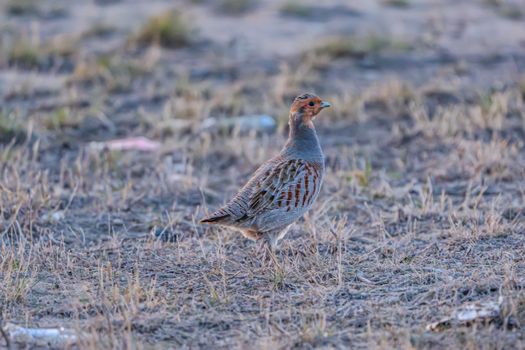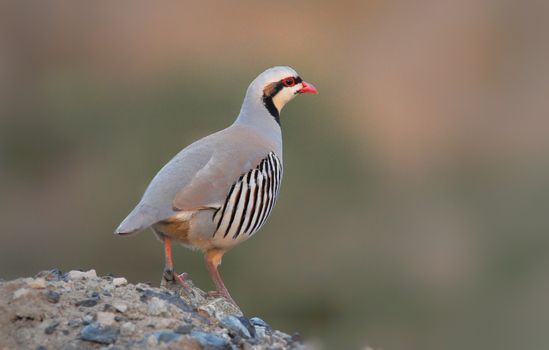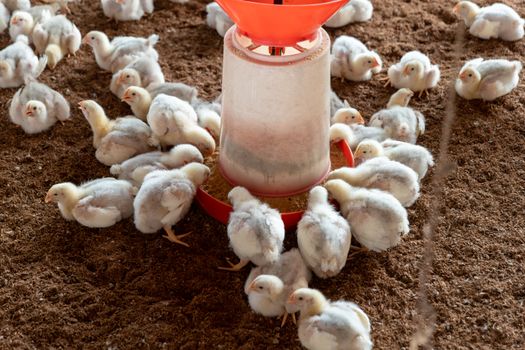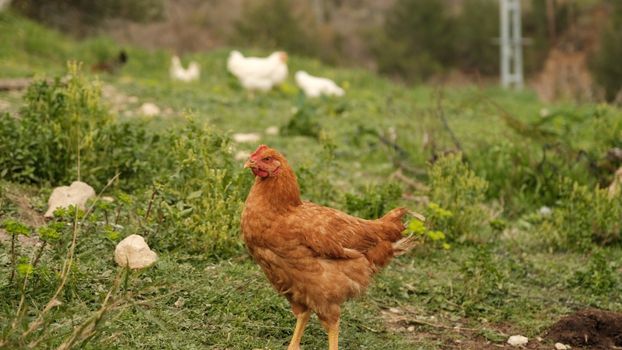
Raising backyard poultry has become increasingly popular, and among the diverse breeds available, Chukar chickens—more accurately known as Chukar partridges (Alectoris chukar)—stand out for their striking appearance, adaptability, and unique challenges. While most beginners are drawn to traditional chicken breeds like Rhode Island Reds or Leghorns, Chukar partridges offer a fresh alternative for those seeking something different. However, as with any poultry venture, there are distinct advantages and disadvantages to consider before getting started. This detailed guide explores both sides, equipping you with the practical knowledge to make an informed decision about raising Chukar chickens as a beginner.
Getting to Know Chukar Chickens: Origins and Basic Characteristics
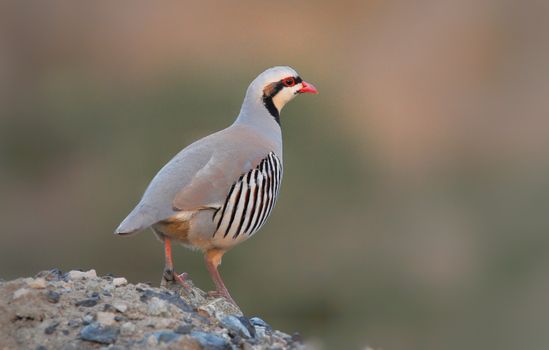
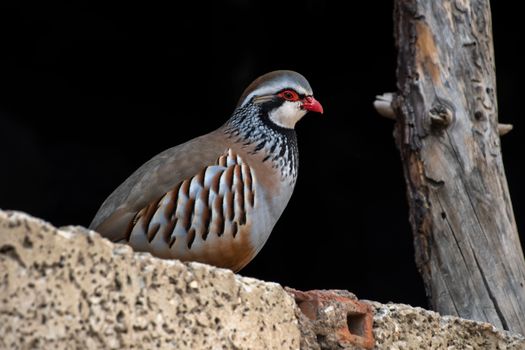
Chukar chickens, or Chukar partridges, are game birds native to Eurasia, especially found in rocky, arid, and hilly regions spanning from the Middle East to South Asia. Introduced to North America in the 1930s, they have since established wild populations in the western United States. Distinctive for their bold black-and-white facial stripes, plump bodies, and red beaks and legs, Chukars are smaller than standard chickens, typically weighing between 19-26 ounces (540-740 grams).
Unlike domestic chickens, Chukar partridges are not primarily bred for egg production or meat but are valued for their gamey flavor, sport hunting, and ornamental appeal. Their reputation for hardiness and self-sufficiency attracts many beginner poultry keepers, yet their behaviors and needs differ significantly from regular chickens. Understanding these differences is key to successful Chukar keeping.
.png)
Advantages of Raising Chukar Chickens for Beginners
Raising Chukar chickens brings several unique benefits, especially for those new to backyard poultry. Here are some of the standout advantages:
1. $1 Chukar partridges are well-adapted to harsh climates and can thrive in dry, rocky, and cold environments where many chicken breeds might struggle. Their robust nature means they are less prone to common poultry diseases, reducing the need for frequent veterinary attention. 2. $1 Chukars generally consume less feed compared to standard chickens. On average, an adult Chukar eats about 28-30 grams of feed per day, significantly less than a typical laying hen, which may eat up to 110 grams daily. This makes them more economical to feed, especially for small-scale keepers. 3. $1 Due to their smaller size and wild origins, Chukars require less coop space. A single Chukar needs about 1-1.5 square feet in an aviary, compared to 2-3 square feet for a chicken. This allows beginners with limited backyard space to raise more birds or enjoy poultry keeping without a large investment in infrastructure. 4. $1 Chukar partridges offer aesthetic appeal with their vibrant plumage and agile movements. Their curious and lively nature makes them interesting to observe, and their soft, cooing calls are less disruptive than the loud crowing of some rooster breeds. 5. $1 Chukar chicks grow quickly and can reach full adult size in just 16-20 weeks. They also begin laying eggs at around 6 months of age, which is faster than most heritage chicken breeds.Disadvantages and Challenges of Raising Chukar Chickens
While Chukar partridges present many appealing qualities, beginners should also be aware of potential drawbacks:
1. $1 Chukars retain strong flight instincts. Unlike domesticated chickens, they can and will fly if given the opportunity. This makes them notorious escape artists. Secure, covered aviaries are essential, as a single gap can lead to lost birds. Their wild nature also means they are less tame and harder to handle than chickens. 2. $1 During breeding season, Chukar partridges—especially males—can become territorial and aggressive, both toward each other and occasionally toward their keepers. This can lead to injuries among birds if not managed carefully, particularly in overcrowded conditions. 3. $1 Chukars lay fewer eggs than most chicken breeds. A healthy hen may lay between 40 and 50 eggs per year, compared to the 250-300 eggs typical of a good laying chicken. Their eggs are also smaller, averaging around 15 grams each, which may disappoint those hoping for a consistent source of table eggs. 4. $1 While hardy, Chukars have unique dietary and environmental needs—such as high-protein feed and access to clean, dry ground—that differ from chickens. They are also more sensitive to stress, which can affect egg production and health. 5. $1 In some locations, Chukar partridges are considered game birds and may be subject to regulations regarding their keeping, breeding, or sale. Beginners must check local wildlife and agricultural laws before starting a Chukar flock.Chukar Chickens vs. Common Backyard Chickens: A Comparative Overview
To help you weigh your options, here’s a side-by-side comparison of Chukar partridges and typical backyard chickens:
| Aspect | Chukar Chickens (Partridges) | Backyard Chickens |
|---|---|---|
| Average Adult Weight | 19-26 oz (540-740 g) | 4-7 lbs (1.8-3.2 kg) |
| Eggs per Year | 40-50 | 250-300 |
| Egg Size | ~15 grams | ~55-65 grams |
| Feed Consumption (per day) | 28-30 grams | 90-110 grams |
| Space Needed per Bird | 1-1.5 sq. ft. | 2-3 sq. ft. |
| Flight Ability | Strong flier; needs covered aviary | Poor flier; low fencing sufficient |
| Temperament | Wild, flighty, can be aggressive | Generally docile, can be tamed |
| Legal Restrictions | Possible, varies by region | Rare, usually permitted |
This table highlights the main differences, showing where Chukar partridges outshine chickens (such as feed efficiency and space needs) and where they fall short (egg production and manageability).
Essential Tips for New Chukar Chicken Keepers
If you decide that Chukar partridges are right for your backyard flock, here are some practical tips to set yourself up for success:
- $1 Chukars require a covered, predator-proof enclosure with fine mesh to prevent escapes. The aviary should offer dry ground and shelter from the elements, with at least 1-1.5 square feet per bird. - $1 Unlike chickens, Chukars thrive on higher protein feed (24-28% protein for chicks, 18-20% for adults). Supplement with grit and occasional greens, but avoid high-calcium layer feeds, which can harm their kidneys. - $1 Watch for bullying or fighting, especially during breeding season. Separate aggressive males or provide plenty of hiding spaces to reduce tension. - $1 Minimize handling to reduce stress. If you must catch a Chukar, do so calmly and gently, as rough handling can cause injury. - $1 Always confirm that keeping Chukar partridges is legal in your area, and if necessary, obtain required permits.When Chukar Chickens Are the Right (or Wrong) Choice for Beginners
Chukar partridges are ideal for certain beginner poultry keepers. If you have limited space, enjoy observing active, wild-type birds, and are more interested in ornamental or game birds than in egg or meat production, Chukars can be rewarding. Their low feed requirements and hardiness are notable advantages.
However, if your primary goal is a steady supply of eggs or friendly, easily managed pets, Chukar chickens are not the best choice. Their flighty temperament, low egg output, and need for secure housing add complexity that may overwhelm true novices.
Final Thoughts on the Pros and Cons of Raising Chukar Chickens
Raising Chukar chickens can be a fascinating and enjoyable endeavor for beginners who appreciate their unique characteristics and are prepared for their challenges. Their adaptability, low feed needs, and striking looks make them a standout option for small-scale poultry enthusiasts. However, their flightiness, lower productivity, and special care requirements mean they are not a direct replacement for backyard chickens. By carefully weighing the advantages and disadvantages, and preparing appropriately, you can determine whether Chukar chickens are the right addition to your flock.