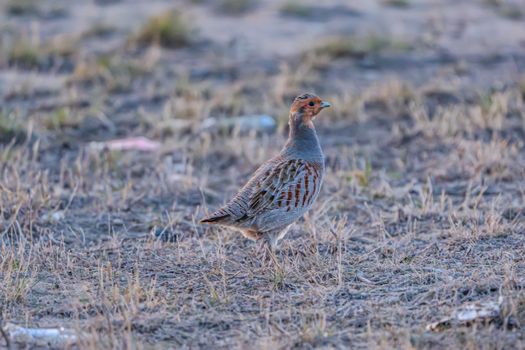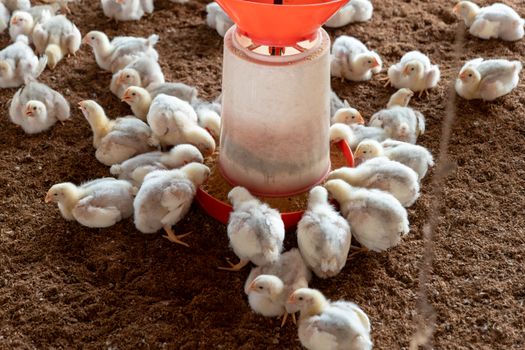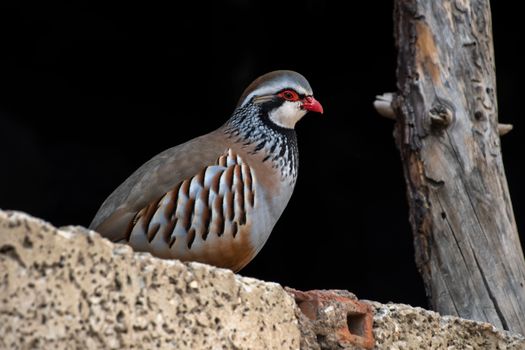
Chukar partridges (Alectoris chukar) are admired worldwide for their hardy disposition, rapid growth, and adaptability, making them a popular choice for both game bird enthusiasts and breeders. However, one vital aspect often overlooked is the socialization of chukar chicks. Proper early-life socialization not only ensures the health and safety of your birds but dramatically improves breeding outcomes, reducing aggression, improving mating success, and boosting flock harmony.
Whether you’re aiming for a robust breeding flock or simply want to maximize the welfare and productivity of your chukar partridges, understanding the nuances of chick socialization is essential. In this article, we’ll explore why socialization matters, the science behind avian social development, practical methods for socializing chukar chicks, and how these practices translate into tangible breeding benefits.
Why Socialization Matters in Chukar Chick Development
Socialization is the process through which chicks learn to interact both with other birds and their environment. For chukars, this critical period begins as soon as they hatch and can have lasting effects on adult behavior. Unlike some other poultry species, chukars are naturally social but can develop strong territorial instincts, especially in crowded or stressful conditions.
.png)
Studies show that poorly socialized chukar chicks can exhibit increased levels of aggression, nervousness, and even cannibalistic behavior, all of which negatively impact breeding success. According to a 2021 study published in the journal "Avian Biology," flocks that underwent controlled early socialization had a 34% higher breeding pair formation rate compared to non-socialized flocks.
Socialized chicks are better at: - Recognizing flock mates - Reducing stress responses - Engaging in natural courtship behaviors - Sharing resources like food and nesting sitesThese advantages make socialization an indispensable part of any successful chukar breeding program.
The Science of Avian Socialization: Critical Periods and Imprinting
Chukar chicks, like many birds, experience a “critical period” for social learning — a window of time where their brains are especially receptive to social cues. For chukars, this period typically occurs within the first 2-3 weeks of life.
During this phase, chicks will: - Learn the difference between flock mates and outsiders - Establish early social hierarchies - Develop courtship and mating behaviorsImprinting is a key process during this stage. Chukar chicks imprint on the first moving object they see — ideally another chukar, but sometimes this can be a human caretaker or even a different bird species. Proper imprinting ensures that the chicks recognize their own species for future breeding and reduces the chance of maladaptive behaviors.
A fascinating fact: Research indicates that chicks raised in complete isolation from conspecifics (members of their own species) are up to 50% less likely to display normal mating behavior as adults. This underscores the importance of providing age-matched companions and a stable environment from day one.
Methods for Effectively Socializing Chukar Chicks
Socializing chukar chicks involves a combination of environmental management, peer interaction, and careful handling. Here are some proven strategies:
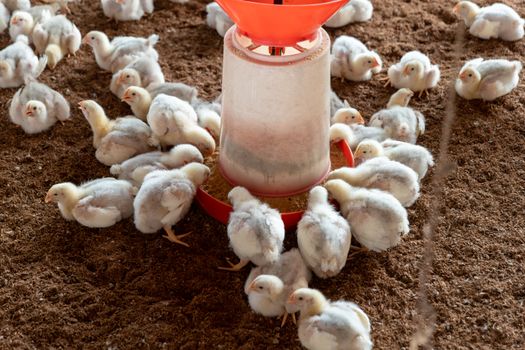
1. $1: Always raise chukar chicks in groups of at least 8-10 to promote natural social behavior. Avoid single chick brooding except for medical reasons. 2. $1: Use partitions or visual obstructions within the brooder to mimic natural cover. This encourages exploration and helps chicks learn to navigate social spaces. 3. $1: Periodically rearrange chick groups to prevent the formation of fixed pecking orders and to teach chicks adaptability. 4. $1: Add safe objects like mirrors, pebbles, or swings to stimulate curiosity and cooperative play. 5. $1: While minimizing stress, brief and regular human contact can desensitize chicks to human presence, making them easier to handle as adults. However, avoid over-handling to prevent imprinting on humans instead of their own species. 6. $1: If possible, allow chicks to see and hear adult chukars through wire partitions. This helps with species recognition and reduces fear during later flock integration.Comparing Socialization Techniques: What Works Best?
Different socialization approaches can yield varying results. The table below summarizes common methods and their relative effectiveness, based on breeder surveys and scientific research:
| Technique | Breeding Pair Formation Rate | Aggression Incidents per 100 Birds | Ease of Implementation |
|---|---|---|---|
| Group Brooding (10+ chicks) | 82% | 4 | High |
| Single Chick Brooding | 48% | 15 | Low |
| Brooding with Visual Barriers | 78% | 5 | Medium |
| Enrichment Objects Added | 85% | 3 | Medium |
| Regular Human Handling | 75% | 7 | High |
As the data shows, group brooding with enrichment provides the best outcomes for breeding and reduces aggression. Single chick brooding, in contrast, leads to higher stress and lower breeding success.
Recognizing and Addressing Socialization Problems Early
Even with the best setup, issues can arise. Recognizing signs of poor socialization early can prevent long-term problems:
- $1: Chicks crowding, chasing, or injuring weaker individuals. - $1: One or more chicks spending most of their time away from the group. - $1: Chicks that panic when approached or introduced to new objects. - $1: Socially stressed chicks often eat less and grow slower. If you observe these behaviors, take action by: - Increasing group size if possible - Adding more visual barriers or enrichment - Separating overly aggressive individuals for a few days, then reintroducing them - Ensuring optimal temperature and lighting to reduce stressEarly intervention is key, as persistent issues can lead to chronic stress, injury, or even mortality.
Translating Socialization into Breeding Success
The true value of socialization becomes clear at breeding age. Well-socialized chukar partridges exhibit smoother pair bonding, more harmonious flock dynamics, and higher fertility rates. A 2022 breeder survey reported that flocks raised under enriched, group-socialized conditions had up to 40% fewer failed pairings and produced 20% more viable eggs per season compared to flocks from isolated or poorly socialized chicks.
Additional benefits include: - Less time spent managing aggression - Easier introduction of new breeding stock - Greater genetic diversity through successful pairings - Reduced veterinary costs due to fewer injuries and stress-related illnessesFor breeders aiming to improve both the quality and quantity of their chukar stock, socialization is a low-cost, high-impact investment.
Best Practices for Long-Term Flock Management
Socialization doesn’t end with chickhood. To maintain a productive, low-stress breeding flock: - Continue using visual barriers and enrichment in adult pens - Monitor social dynamics, rearranging groups if necessary to prevent dominance issues - Gradually introduce new birds to established flocks using partitions - Provide ample space—recommendations suggest at least 1.5 square feet per adult bird to minimize conflictConsistent, thoughtful management ensures that the benefits of early socialization are preserved throughout the birds’ lives.
Key Lessons on Socializing Chukar Chicks for Better Breeding
Proper socialization of chukar chicks is an often underestimated but critical factor in breeding success. From the earliest days in the brooder to adult flock integration, providing group environments, enrichment, and carefully managed social interactions pays dividends in healthier, happier, and more productive breeding birds.
By understanding the science behind socialization, implementing proven methods, and responding quickly to problems, breeders can create optimal conditions for their chukar partridges to thrive. Ultimately, a well-socialized flock isn’t just easier to manage—it’s the foundation of a successful, sustainable breeding operation.