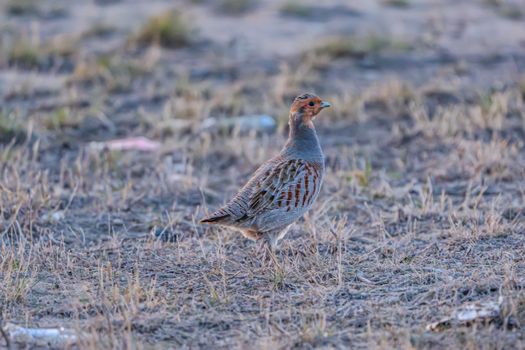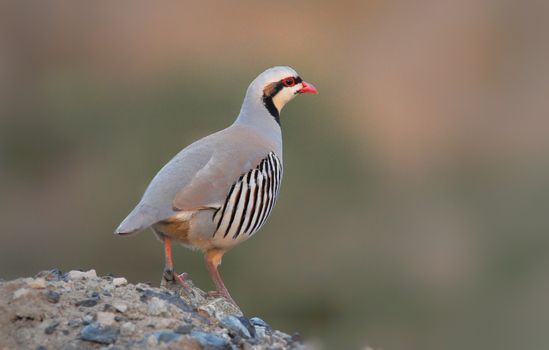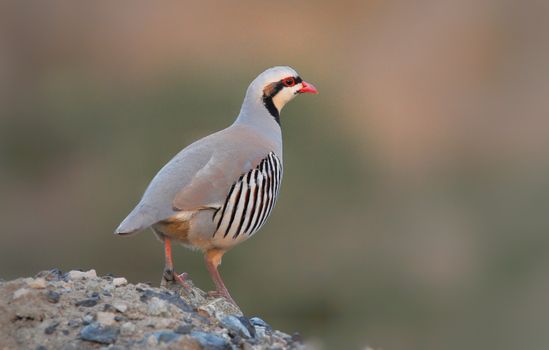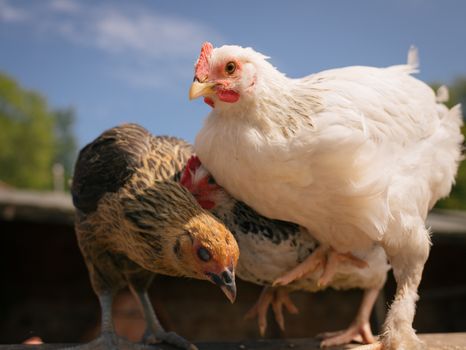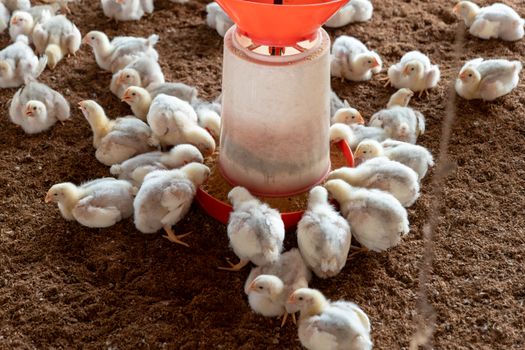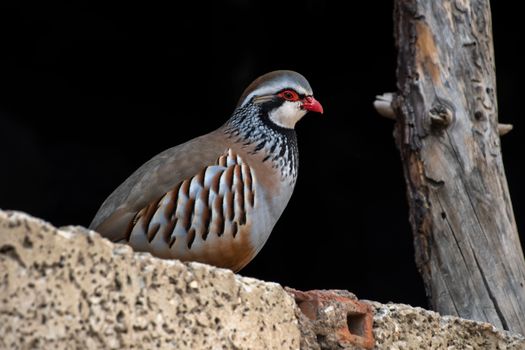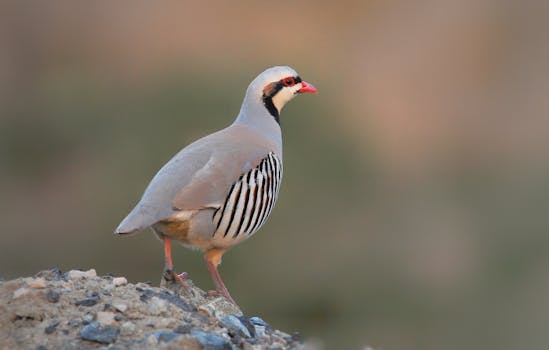
Chukar chickens, technically known as Chukar partridges (Alectoris chukar), have become increasingly popular among hobbyists, small-scale farmers, and game bird enthusiasts. Their hardiness, unique behaviors, and value as both game birds and egg-layers make them a compelling choice for bird keepers. However, the success of raising healthy, productive Chukar chickens largely depends on the rearing method chosen. From traditional free-range systems to intensive cage setups and innovative deep litter management, each method presents its own set of benefits and drawbacks. Understanding these options is crucial for anyone considering Chukar chicken rearing, whether for personal enjoyment, commercial gain, or conservation purposes.
Understanding the Main Methods of Rearing Chukar Chickens
Before diving into pros and cons, let’s outline the primary rearing approaches used worldwide:
1. $1 Birds are allowed to roam in a controlled outdoor area, often simulating their native rocky, grassy habitats. 2. $1 Birds are kept in individual or group cages, typically indoors, with strict control over feeding, lighting, and hygiene. 3. $1 Birds live in spacious indoor enclosures with a thick bedding of organic material (like wood shavings) that absorbs waste and is periodically replaced. 4. $1 Large, netted outdoor pens provide space for flight and natural behavior, often used by breeders and game preserves. 5. $1 Groups of Chukar chickens are kept together in large, enclosed spaces with various perches and environmental enrichments.Each of these systems can be tailored to suit different goals, from maximizing egg production to preparing birds for release in the wild.
.png)
Free-Range Rearing: Natural Behaviors vs. Predation Risks
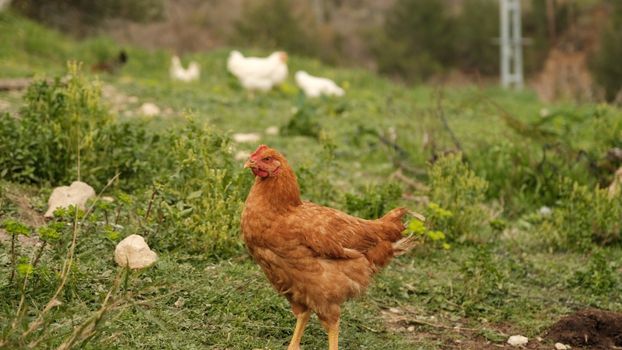
Free-range rearing is favored for its ability to mimic the Chukar’s wild environment. Birds have ample space to forage, dust-bathe, and exercise, which can improve their overall health and reduce behavioral problems such as feather pecking.
$1 - $1 Birds exhibit more natural behaviors. A 2022 study by the Game Bird Research Institute found that free-range Chukars had 35% lower stress hormone levels than caged counterparts. - $1 Chukars help control insects and weed seeds while foraging. - $1 Free-range birds often command higher prices for meat and eggs due to consumer demand for ethical products. $1 - $1 Exposure to predators (foxes, hawks, snakes) is a significant risk. The USDA estimates that up to 20% of free-range losses are due to predation annually. - $1 Diseases can spread more easily, as wild birds and rodents may access the area. - $1 Requires more space per bird—typically 10-12 square feet per Chukar.Free-range systems are best suited for those with secure, well-fenced land and a commitment to daily oversight.
Cage Rearing: Efficiency and Control at a Cost
Cage rearing is common in commercial operations aiming for maximum efficiency and minimal land use. Chukars are housed in wire cages, often stacked in tiers, with automated feeding and watering systems.
$1 - $1 Up to 10-12 birds per square meter, reducing space requirements. - $1 Easier to monitor individual birds and limit disease spread. - $1 Birds gain weight faster and lay more eggs due to controlled lighting and feed. $1 - $1 Limited movement and inability to exhibit natural behaviors can lead to aggression and health issues. Studies show up to 15% higher incidence of foot pad dermatitis in caged Chukars. - $1 Growing consumer preference for cage-free products may impact marketability. - $1 Initial investment in cages and automation can be substantial.Cage rearing is often chosen by larger farms prioritizing output over natural behaviors.
Deep Litter System: Balancing Sanitation and Comfort
The deep litter system offers a compromise between cage and free-range rearing. Birds roam within an enclosed space layered with absorbent bedding that is regularly maintained.
$1 - $1 Birds can dust bathe and scratch, reducing stress and abnormal behaviors. - $1 Soft bedding lowers the risk of foot injuries compared to wire cages. - $1 Properly managed, deep litter can be composted into valuable fertilizer. $1 - $1 If not cleaned frequently, the litter can harbor pathogens like coccidia. According to a 2021 survey, 8% of deep litter flocks experienced outbreaks of coccidiosis. - $1 Regular turning and partial replacement of bedding are necessary to maintain hygiene. - $1 Poor ventilation can lead to harmful ammonia levels.This method is ideal for small to medium-scale keepers who can commit to regular management.
Aviary and Flight Pen Rearing: Space for Flight and Conditioning
Aviaries or flight pens are expansive enclosures, often outdoors, designed to allow birds to fly and develop muscle tone. These systems are favored by breeders, conservationists, and those raising Chukars for release.
$1 - $1 Birds develop stronger flight muscles, crucial for survival if released. - $1 Ample space and varied environments reduce stress and aggression. - $1 These systems provide opportunities for public education and observation. $1 - $1 Constructing secure, predator-proof pens is expensive and land-intensive. - $1 Birds may be exposed to harsh weather unless pens are partially covered. - $1 Large pens require regular inspection and repair.Aviary rearing is less common on a commercial scale but invaluable for breeding and conservation projects.
Colony Housing: Social Structure and Group Dynamics
Colony housing involves keeping groups of Chukar chickens in large, enriched enclosures. This method emphasizes social interaction and is often used by hobbyists and small farms.
$1 - $1 Birds establish natural hierarchies, reducing boredom. - $1 Enclosures can be adapted to available space and resources. - $1 Less need for individual cages or automated systems. $1 - $1 Aggressive birds may bully subordinates, leading to injury. - $1 Close contact can facilitate the spread of respiratory and digestive diseases. - $1 Collecting eggs can be more challenging due to nest hiding.Colony housing works well when flocks are closely monitored and flock size is kept manageable.
Comparison Table: Key Features of Chukar Chicken Rearing Methods
| Rearing Method | Space Needed (per bird) | Initial Cost | Welfare Level | Predation Risk | Disease Risk | Egg/Meat Yield |
|---|---|---|---|---|---|---|
| Free-Range | 10-12 sq ft | Moderate | High | High | Moderate | Moderate |
| Cage | 1 sq ft | High | Low | Low | Low | High |
| Deep Litter | 2-3 sq ft | Low | Moderate | Low | Moderate | Moderate |
| Aviary/Flight Pen | 20-30 sq ft | High | Very High | Moderate | Low | Low |
| Colony Housing | 3-5 sq ft | Low | Moderate | Moderate | High | Low |
Choosing the Right Rearing Method for Your Chukar Chickens
Selecting an appropriate rearing approach depends on your ultimate goals, available resources, and commitment to bird welfare. For those focused on maximizing production with limited space, cage systems offer efficiency but come with ethical considerations. If animal welfare and natural behavior are paramount, free-range or aviary systems are superior but demand more land, time, and investment in predator protection.
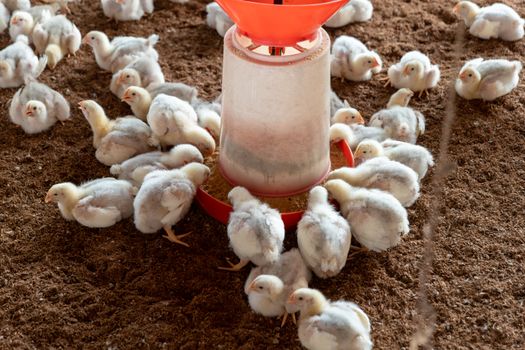
Interestingly, hybrid systems are gaining traction. For example, some farms raise Chukar chicks in deep litter brooders for the first six weeks, then transition them to aviary pens for the remainder of their growth. This staged approach combines the biosecurity of indoor rearing with the enrichment of natural flight. According to the American Gamebird Association, farms using hybrid strategies have seen a 12% reduction in chick mortality and improved muscle development in released birds.
Whatever method you choose, remember that attention to biosecurity, regular health checks, and tailored nutrition are essential to any successful Chukar chicken operation.
Final Thoughts on Comparing Chukar Chicken Rearing Methods
Chukar chicken rearing is as varied as the goals and environments of those who keep these fascinating birds. Each method—from free-range to cage, deep litter to aviary—offers unique advantages and challenges. Your choice should balance the needs of the birds with your own objectives, resources, and values. With thoughtful planning and a willingness to adapt, it’s possible to enjoy healthy, thriving Chukar chickens whether you’re a backyard hobbyist, a conservationist, or a commercial producer.