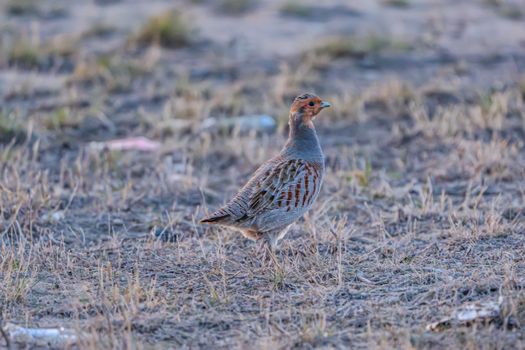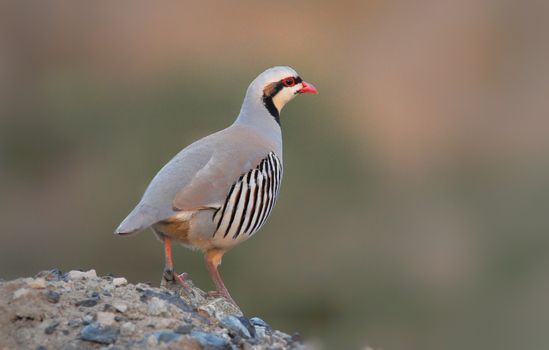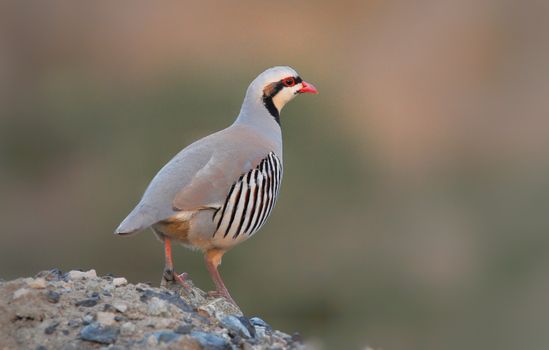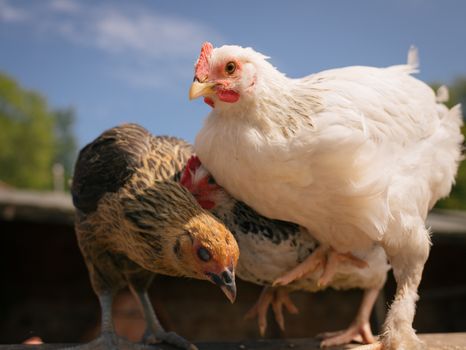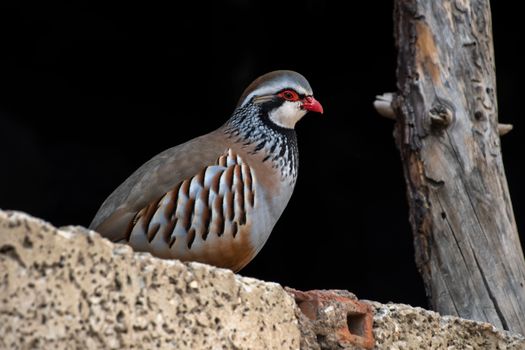
Chukar partridges, with their distinctive markings and hardy nature, have become a popular choice for game bird farms and backyard poultry enthusiasts alike. However, raising these birds successfully doesn’t just depend on proper nutrition and housing—it also requires a clear understanding of the natural predators that threaten them. Predation is one of the most significant causes of loss for chukar partridge farmers worldwide. Knowing which predators pose the greatest risks, how they operate, and the most effective, farm-specific strategies for protection can mean the difference between a thriving flock and ongoing losses.
This article delves deep into the world of chukar partridge predators, reveals lesser-known threats, and outlines actionable steps to safeguard your birds without relying solely on conventional fencing or reactive measures.
Understanding the Natural Predators of Chukar Partridges
Chukar partridges (Alectoris chukar) are native to Eurasia and have been introduced to North America, particularly in the arid West. Their ground-dwelling habits and their preference for open, rocky terrain make them susceptible to a wide range of predators. Unlike chickens, chukars are less likely to roost in trees or elevated spaces, which adds to their vulnerability—especially on farms where they may be more exposed than in their native habitats.
.png)
Some of the most common predators of chukar partridges include:
- Foxes and coyotes: These cunning mammals are adept at digging and jumping, making them a persistent threat to ground-dwelling birds. - Raptors: Birds of prey such as hawks, eagles, and owls can swoop down and snatch chukars, especially young or injured individuals. - Snakes: In certain regions, snakes will target eggs and chicks, sometimes even adult birds. - Domestic dogs and feral cats: These animals may not be native predators, but they are a significant cause of mortality, especially on or near farms. - Raccoons and skunks: Known for their dexterity, these mammals are notorious nest raiders.According to a 2021 survey by the National Gamebird Association, over 38% of reported chukar losses on farms were attributed to predation, with foxes and raptors accounting for the highest numbers.
Identifying Predator Activity: Signs and Surveillance
One of the keys to effective chukar protection is early detection of predator activity. Each predator leaves distinct clues. For example, foxes and coyotes may leave tracks or dig marks near enclosures, while raptors often leave scattered feathers or partially eaten carcasses. Raccoons and skunks are infamous for leaving behind broken eggs or dragged nesting material.
Modern surveillance can dramatically improve your ability to spot threats before they escalate:
- Trail cameras: Affordable and easy to set up, trail cameras with motion sensors can capture nighttime or early morning activity. A University of Wyoming study found that farms using trail cameras reduced unexplained losses by 15% compared to those relying solely on visual checks. - Acoustic sensors: While more advanced, these devices can pick up specific calls or disturbances, alerting you to unusual activity. - Regular patrols: Assigning specific times each day (especially dawn and dusk) to check for signs of disturbance can be highly effective.Here’s a comparative overview of different predator detection methods:
| Detection Method | Effectiveness (%) | Cost | Best Use Case |
|---|---|---|---|
| Trail Cameras | 85 | $$ | Remote or large enclosures |
| Physical Patrols | 60 | $ | Small to medium farms |
| Acoustic Sensors | 75 | $$$ | High-value breeding pairs |
| Track/Sign Inspection | 50 | $ | All settings |
Predator-Proofing: Advanced Strategies Beyond Fencing
While fencing is a basic requirement for any game bird operation, determined predators often find ways around or through standard barriers. Advanced predator-proofing involves a multi-layered approach:
- Electric fencing: Adding one or two low strands of electric wire, just outside the main fence and 6-8 inches above the ground, deters digging mammals like foxes and raccoons. Research from Oregon State University shows a 70% reduction in predator incursions when electric fencing is properly installed. - Apron fencing: Extending wire mesh horizontally out from the base of the fence prevents animals from digging underneath. - Overhead netting: This is essential for protecting against raptors, especially in open or partially covered enclosures. Using UV-stabilized netting ensures longevity and consistent protection. - Motion-activated deterrents: Devices that emit sound, light, or water jets when triggered can be highly effective, especially when repositioned regularly so predators do not become accustomed.Additionally, it’s important to inspect and maintain these systems regularly. A single weak spot can compromise even the best-designed setup.
Habitat and Environmental Management to Reduce Predator Pressure
Environmental management is an often-overlooked but highly effective way to make your farm less attractive to predators. Here are some strategies:
- Remove brush and tall grass: Predators, especially foxes and cats, use cover to stalk and ambush birds. Keeping a clear perimeter of at least 10-15 feet around enclosures reduces their advantage. - Manage attractants: Spilled feed, compost, and unsecured trash can lure raccoons, skunks, and rodents, which in turn attract larger predators. - Roosting and shelter options: Providing chukars with raised platforms or dense brush piles within their enclosures gives them a place to hide and escape aerial attacks. - Rotate outdoor pens: Changing the location of outdoor runs, when possible, disrupts predator patterns and gives land time to recover.A 2022 study in the Journal of Applied Ecology found that farms implementing habitat management in combination with physical barriers saw a 42% decrease in predator-related losses.
Guard Animals: Natural Allies in Chukar Protection
The use of guardian animals is gaining popularity on farms of all sizes. Unlike reactive measures, guardian animals actively deter predators through their presence and behavior. Here are some top choices:
- Livestock guardian dogs: Breeds such as the Anatolian Shepherd or Great Pyrenees have been used for centuries to protect flocks. These dogs are trained from a young age to bond with and defend birds. - Donkeys and llamas: While less common, donkeys and llamas are effective against canine predators (such as foxes and coyotes), as they are naturally defensive and will chase or stomp intruders. - Geese: In smaller setups, geese can act as excellent alarms, honking loudly at potential threats and sometimes even driving away smaller predators.A 2020 survey by the American Poultry Association indicated that 63% of game bird farms using livestock guardian dogs experienced “significant” reductions in losses compared to those relying on barriers alone.
Legal and Ethical Considerations for Predator Control
When dealing with predators, it’s essential to understand the legal and ethical boundaries in your region. Many raptors, for example, are protected under federal or state law, meaning lethal control is not an option. Similarly, certain mammals may be protected during breeding seasons or in specific habitats.
Non-lethal methods are not only more sustainable but often more effective long-term. These include:
- Exclusion and deterrence measures as described above - Live trapping and relocation (where legal and practical) - Reporting persistent threats to local wildlife authorities for guidanceAlways check with your state’s wildlife agency before taking action against any predator species. A failure to comply can result in hefty fines or even criminal charges.
Final Thoughts on Protecting Chukar Partridges Against Predators
Protecting chukar partridges on the farm is a continual process that demands vigilance, adaptability, and innovation. With predation accounting for up to 38% of all chukar losses on farms, ignoring the threat is not an option for anyone serious about sustainable game bird production. By combining early detection, advanced barriers, environmental management, and the use of guardian animals, farmers can significantly reduce losses and maintain healthy, productive flocks.
The key is to treat predator management as an ongoing strategy, not a one-time fix. Regularly assess your farm’s vulnerabilities, stay informed about predator behavior, and be ready to adapt your tactics as needed. In doing so, you not only protect your investment but also support the welfare and sustainability of your birds.