Raising Chukar Partridges: Best Practices for Health and Robust Flocks
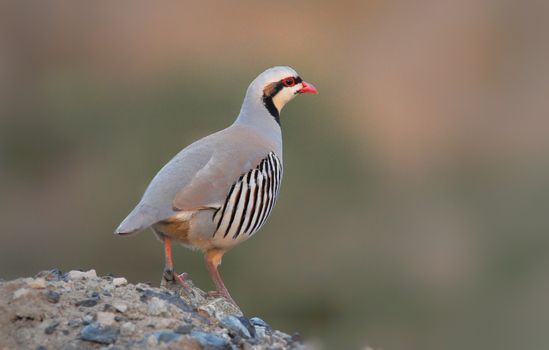
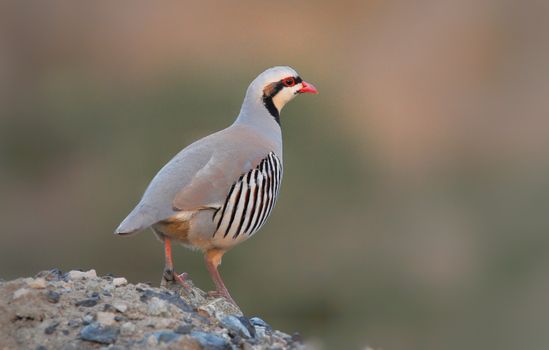
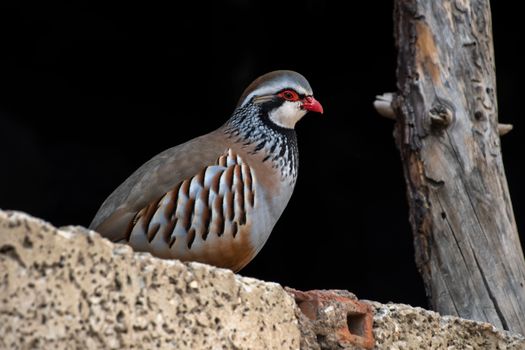
Chukar partridges (Alectoris chukar) are captivating game birds known for their adaptability, resilience, and economic value to both hunting preserves and small-scale farms. Whether you’re an experienced aviculturist or just starting out, ensuring the health and well-being of your Chukar flock requires a nuanced approach beyond the basics. This article explores best practices that go deeper than general care tips, focusing on disease prevention, genetic management, behavioral enrichment, and biosecurity to help you raise thriving, robust Chukar partridges.
Understanding Chukar Partridge Biology and Behavior
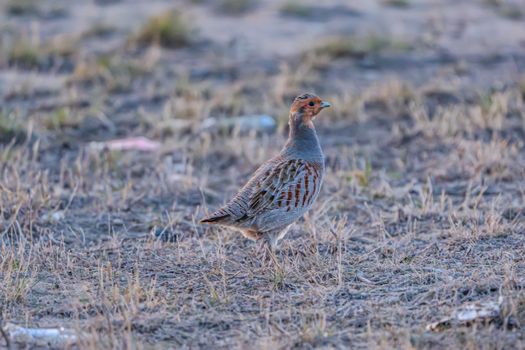
To raise healthy Chukar partridges, it's critical to first understand their unique biology and behaviors. Chukars are native to arid and rocky regions of Eurasia, making them well-suited to dry, open habitats. Their natural inclination for foraging, dust bathing, and social interaction influences their needs in captivity.
Chukars reach sexual maturity at around 16-20 weeks. A female can lay between 15 and 20 eggs per clutch, with optimal breeding occurring in spring and early summer. These birds are highly social but can show aggression if overcrowded. Understanding these behavioral patterns is essential for designing enclosures and management routines that minimize stress and aggression-related injuries.
.png)
Notably, Chukar partridges have a feed conversion ratio (FCR) of about 2.8:1, meaning they require 2.8 kg of feed to gain 1 kg of body weight—a factor to consider when planning for efficient growth and cost management.
Biosecurity: The Cornerstone of Disease Prevention
Biosecurity is often the single most important line of defense in preventing disease outbreaks in Chukar flocks. Diseases like Newcastle Disease, avian pox, and coccidiosis can devastate populations, with mortality rates sometimes exceeding 30% in severe outbreaks.
Key biosecurity practices include:
- Limiting visitor and vehicle access to the premises - Installing footbaths and hand sanitizing stations at all entry points - Implementing an “all-in, all-out” rearing system to prevent cross-contamination between age groups - Quarantining new or returning birds for at least 21 days - Regularly cleaning and disinfecting feeders, waterers, and enclosuresAccording to a 2022 survey by the National Gamebird Association, farms with strict biosecurity protocols had 40% fewer disease incidents compared to those with lax measures. By establishing clear routines and staff training, you can drastically reduce risk and safeguard your investment.
Vaccination and Preventive Health Care
While some backyard flocks may rely on natural resistance, preventive health care is essential for any operation hoping to minimize losses and maximize productivity. Vaccination schedules should be tailored to the specific risks in your region, but typically include:
- Newcastle Disease: Primary vaccination at 10-14 days, with a booster at 4 weeks - Fowl Pox: Vaccination at 5-7 weeks - Coccidiosis: Prophylactic medication or live vaccine, especially in densely stocked environmentsRegular health checks are vital. Examine birds weekly for signs of respiratory distress, lameness, or abnormal droppings. Weighing a sample of birds every two weeks helps monitor growth rates and spot health issues early.
Proactive parasite control is also crucial. Chukars are susceptible to both internal (roundworms, cecal worms) and external parasites (mites, lice). Rotation of dust bathing sites and regular use of approved dewormers can keep parasite loads low.
Genetic Diversity: Building a Strong, Resilient Flock
One often-overlooked aspect of Chukar health is the management of genetic diversity. Inbreeding depression can result in reduced hatchability, stunted growth, and increased disease susceptibility. According to a 2019 study published in the Journal of Avian Biology, flocks with low genetic diversity had 25% higher chick mortality rates.
Best practices for genetic management include:
- Sourcing birds from at least two unrelated breeders when starting a flock - Rotating breeding males every 1-2 years to prevent inbreeding - Keeping detailed breeding records to track lineage and avoid pairing relatives - Periodically introducing new bloodlines, especially if you notice declining hatch rates or vigorThe table below compares the outcomes of flocks managed with and without attention to genetic diversity:
| Factor | High Genetic Diversity Flock | Low Genetic Diversity Flock |
|---|---|---|
| Chick Mortality Rate | 5-10% | 20-30% |
| Hatchability | 85-90% | 60-70% |
| Growth Rate (by 8 weeks) | 95-100g average | 75-80g average |
| Disease Incidence | Low | High |
Diligent genetic management not only ensures the vitality of your flock but also improves economic outcomes through higher productivity and reduced disease costs.
Environmental Enrichment and Stress Reduction
Stress is a silent killer in captive bird populations, suppressing immune function and increasing susceptibility to disease. Environmental enrichment is key to minimizing stress and promoting natural behaviors.
Best practices include:
- Providing varied substrates for dust bathing and foraging (e.g., sand, gravel, straw) - Installing visual barriers or partitions to reduce aggression and pecking - Rotating perches and adding movable objects to stimulate curiosity - Offering greens and insect treats to encourage natural foragingA 2021 study by the Game Bird Research Institute found that flocks with daily enrichment activities had up to 35% lower injury rates and higher egg production compared to those without. Enrichment also helps prevent stereotypic behaviors, such as feather pecking, which can quickly spread in confined groups.
Temperature and lighting also play vital roles. Chukars thrive at 22-26°C (72-79°F). Lighting should mimic natural day lengths, with 14-16 hours of light during breeding season to stimulate egg production.
Nutrition Beyond the Basics: Optimizing Diet for Health
While balanced commercial feeds are available, optimal Chukar health often requires fine-tuning nutrition to their stage of growth and production. Chukars require approximately 24% protein starter diets for chicks, reduced to 18-20% for adults.
Key nutritional considerations:
- Supplementing with calcium and vitamin D during the laying season to prevent eggshell deformities - Providing grit year-round to aid digestion, as Chukars lack teeth - Ensuring constant access to clean, fresh water—dehydration can lead to a 15% drop in growth rate within a weekProbiotics and prebiotics are increasingly used to support gut health, especially during or after antibiotic treatments. Research from Purdue University (2020) indicated a 12% increase in feed efficiency when Chukar diets included probiotic supplements.
Foraging opportunities, such as scattering grains or mealworms, not only support natural behaviors but also diversify the nutrient profile of the diet.
Final Insights: Raising Chukar Partridges Successfully
Raising Chukar partridges is both an art and a science, requiring attention to their natural instincts, genetics, and health needs. By focusing on biosecurity, preventive care, genetic diversity, enrichment, and optimal nutrition, you can build a resilient, productive flock that thrives year after year. These best practices not only reduce losses but also enhance the welfare and market value of your birds—making for a rewarding avicultural experience.