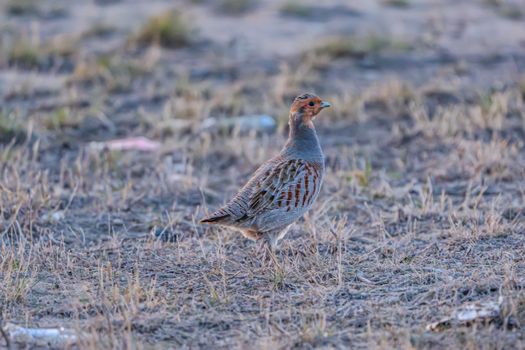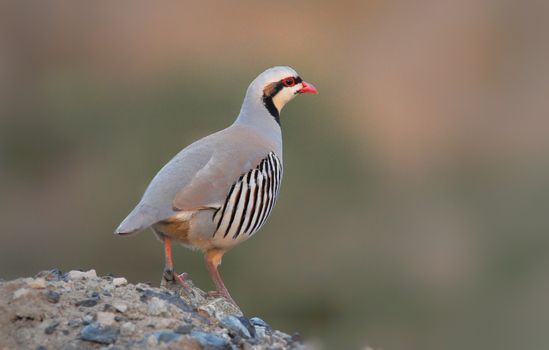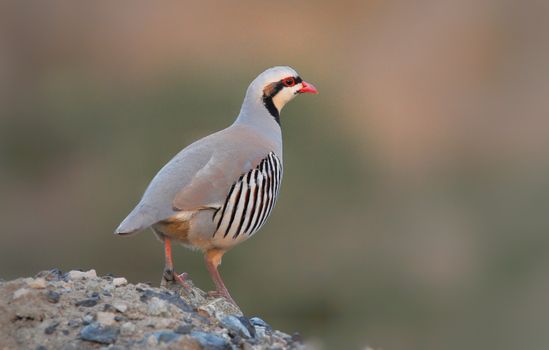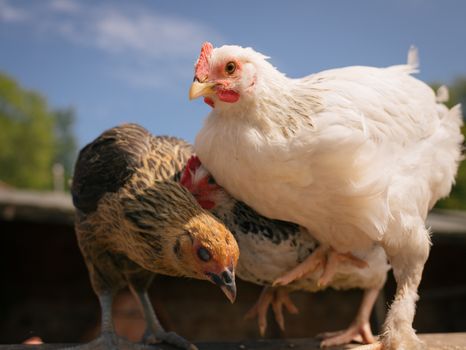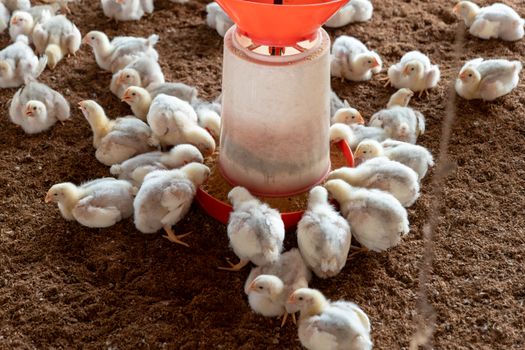
Game bird farming has evolved from a niche agricultural pursuit into a dynamic industry with significant economic, ecological, and cultural impacts. As we look toward the future, the sector stands at a crossroads shaped by technological advancement, shifting consumer preferences, and mounting environmental pressures. What will the next decade bring for game bird farmers, enthusiasts, and the communities that rely on these unique birds? This article explores emerging trends, predictions, and innovations set to redefine the future of game bird farming.
Rising Global Demand and Changing Consumption Patterns
The global game bird farming market is projected to experience robust growth in the coming years. According to a 2023 report by MarketsandMarkets, the global game bird market was valued at approximately $1.5 billion in 2022 and is expected to reach $2.3 billion by 2030, registering a compound annual growth rate (CAGR) of 5.4%.
Several factors are driving this expansion:
- $1 Demand for specialty meats like quail, pheasant, partridge, and guinea fowl is rising in upscale restaurants and among adventurous home cooks. Game birds are prized for their unique flavors and lean nutritional profiles. - $1 As more consumers seek alternatives to conventional poultry, game birds are gaining traction among health-conscious and environmentally aware shoppers. - $1 In the United States alone, over 2 million hunters participate in game bird hunting each year, supporting both the live bird market and hunting preserve operations.These shifts suggest that game bird farmers must remain agile, tailoring their operations to meet evolving consumer demands and market opportunities.
.png)
Technological Innovations Transforming Game Bird Farming
The future of game bird farming will be fundamentally shaped by the adoption of advanced technologies. Automation, data analytics, and biotechnology are already making their mark on the industry, and their influence is expected to grow.
- $1 Sensors and smart monitoring systems allow farmers to track temperature, humidity, and air quality in real time, optimizing housing conditions for bird health and productivity. - $1 Selective breeding programs now utilize genomic analysis to enhance disease resistance, growth rates, and adaptability to climate change. - $1 Robotic systems reduce labor costs and ensure birds receive consistent nutrition and hydration, improving survival rates and farm efficiency.A 2022 survey by AgriTech Insights found that 37% of surveyed game bird farmers in North America had adopted at least one form of precision agriculture, and 22% planned to invest in automation by 2025. These technologies not only boost productivity but also help farmers address labor shortages and rising input costs.
Regulatory Evolution and Animal Welfare Standards
Regulatory frameworks governing game bird farming are becoming more stringent worldwide, reflecting increasing public concern for animal welfare and food safety. The European Union, for example, mandated stricter welfare standards for game birds in 2021, including requirements for enriched environments, lower stocking densities, and humane handling practices.
In the United States, several states have introduced or updated regulations concerning:
- $1 to prevent disease outbreaks such as avian influenza and Newcastle disease. - $1 for tracking the origin and movement of game birds, crucial for both food safety and wildlife conservation. - $1 that assess compliance with humane rearing, transport, and slaughter standards.Non-compliance can result in hefty fines or the loss of market access. As these standards become more widespread, farms that proactively invest in welfare and traceability will be better positioned to compete in both domestic and export markets.
Climate Change, Sustainability, and Adaptation Strategies
Climate change poses significant challenges for game bird farmers, from extreme weather events to shifting disease patterns. According to the Intergovernmental Panel on Climate Change (IPCC), rising temperatures and unpredictable precipitation could alter habitats, disrupt breeding cycles, and increase the risk of heat stress and disease outbreaks.
To future-proof their operations, game bird farmers are adopting a range of sustainability strategies:
- $1 New feeding technologies and drought-resistant forage crops help reduce resource consumption. - $1 Solar and wind power installations lower energy costs and reduce farms’ carbon footprints. - $1 Many farms are investing in habitat improvements to support wild bird populations and enhance biodiversity, which also benefits farm-raised stock.A 2021 survey by the Game & Wildlife Conservation Trust found that 46% of UK game bird farms had implemented at least one sustainability initiative in the previous three years, highlighting the sector’s shift toward greener practices.
Emerging Markets and the Role of International Trade
International trade in game birds and game bird products is expanding, particularly as emerging markets in Asia and the Middle East show increasing interest in specialty poultry. China, for example, has seen a 15% annual increase in quail meat consumption since 2018, while the United Arab Emirates is importing more pheasant and partridge for gourmet outlets and cultural festivals.
Exporters face the dual challenge of meeting strict import regulations and catering to diverse culinary traditions. Ensuring biosecurity during transport, adhering to halal or kosher certification, and understanding local preferences are all key to success.
Below is a comparative table showing the top 5 global markets for game bird exports in 2023:
| Country | Annual Import Value (USD millions) | Primary Game Birds Imported |
|---|---|---|
| China | 210 | Quail, Partridge |
| United States | 175 | Pheasant, Quail, Chukar |
| France | 120 | Pheasant, Partridge |
| United Arab Emirates | 95 | Pheasant, Quail |
| Japan | 85 | Quail |
As barriers to trade are reduced and global demand increases, successful game bird farms will be those able to scale up production and comply with international standards.
Future Opportunities: Diversification and Value-Added Products
Looking ahead, diversification will be a major trend as game bird farmers seek to enhance profitability and reduce exposure to market volatility. Some promising avenues include:
- $1 Game bird eggs, particularly quail eggs, are gaining popularity as a delicacy and functional food. The global quail egg market is projected to grow at a CAGR of 6.1% from 2023 to 2028. - $1 Feathers are used in fashion, craft, and even fly-fishing industries, creating new revenue streams. - $1 Farms are opening their doors to visitors for birdwatching, educational tours, and farm-to-table dining experiences. - $1 Collaborations with universities and conservation organizations support habitat restoration and genetic diversity, sometimes with grant funding.Farmers who successfully integrate these value-added products and services are better positioned to ride out market fluctuations and capitalize on new consumer trends.
Final Thoughts on the Future of Game Bird Farming
The next decade promises significant transformation for the game bird farming sector. Rising global demand, rapid technological innovation, and evolving regulatory landscapes are both opportunities and challenges. Farms that invest in animal welfare, sustainability, and diversification will not only secure their own futures but also contribute to the resilience and reputation of the industry as a whole.
As climate change and consumer preferences continue to reshape the agricultural world, adaptability will be the hallmark of successful game bird enterprises. By staying informed and agile, game bird farmers can thrive in this evolving landscape and help shape the future of specialty poultry for generations to come.