Protecting Game Birds: Understanding Natural Predators and Effective Flock Defense
Game bird farming is a rewarding endeavor, whether for sport, conservation, or commercial purposes. However, one of the greatest challenges faced by game bird keepers is predation. Natural predators see game birds as a convenient food source, and left unprotected, a flock can suffer dramatic losses in a short time. Understanding which predators pose threats, how they operate, and the most effective ways to safeguard your birds is essential for anyone invested in the health and sustainability of their game bird flock. This article explores the main natural predators of game birds, their methods, and proven strategies to protect your flock.
The Main Natural Predators of Game Birds
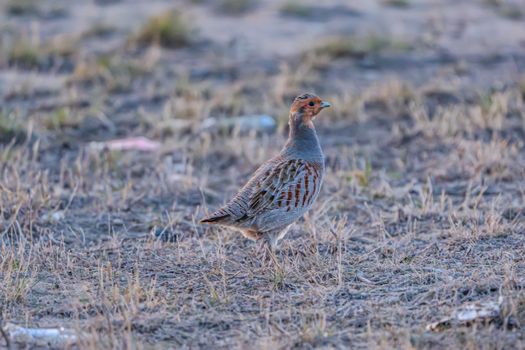
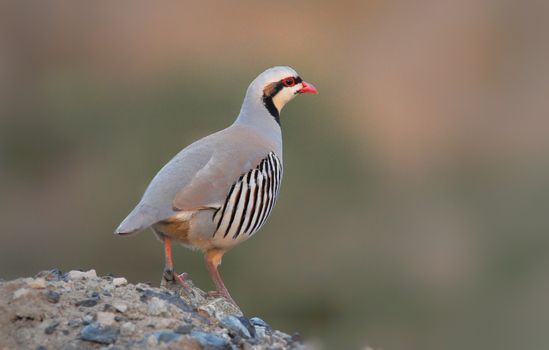
Game birds such as quail, pheasants, partridges, and turkeys are vulnerable to a wide range of predators. Each species of predator has distinct hunting behaviors and preferences, requiring tailored defense strategies.
Mammalian predators are among the most persistent threats. Foxes and raccoons, for instance, are notorious for raiding coops at night. Foxes can squeeze through surprisingly small gaps or dig under fencing, while raccoons use their dexterous paws to unlatch simple locks. Domestic cats and dogs may also pose risks, especially in rural or suburban settings.
.png)
Avian predators strike from above. Birds of prey such as hawks, owls, and eagles have excellent eyesight and can snatch unsuspecting birds during the day or night. In North America, the Red-tailed Hawk and Great Horned Owl are particularly problematic for game bird keepers.
Reptiles, though less common, can also be a concern, especially in warmer climates. Snakes are known to prey on eggs and chicks, entering enclosures through tiny openings.
Rodents like rats and weasels often target eggs and young chicks. Weasels, in particular, are infamous for their ability to fit through gaps as small as 1 inch in diameter.
A 2022 survey by the Game Bird Breeders Association found that, among reported predation incidents on U.S. game bird farms, 39% involved mammals, 32% birds of prey, 18% rodents, and 11% reptiles.
How Predators Attack: Common Methods and Signs
Understanding predator behavior is crucial for prevention. Each predator leaves distinct signs, and recognizing these can help diagnose issues quickly.
- Foxes: Often dig under fencing, leave larger bite marks, and may carry birds away from the site. - Raccoons: Tend to kill multiple birds in a single attack, often leaving carcasses behind with missing heads or parts. - Hawks/Owls: Birds may disappear with little trace, though feathers may be left behind. Attacks typically occur during daylight (hawks) or at dusk/night (owls). - Snakes: Eggs or chicks vanish without a trace, sometimes leaving telltale shed skins. - Weasels/Rats: Birds may be killed with small, precise bites at the neck; weasels are known for killing more than they can eat.Monitoring your flock daily and looking for these signs can help you take swift action.
Comparing Predator Threats: Which Are Most Dangerous?
Assessing the relative danger posed by various predators helps prioritize protection measures. The table below compares common game bird predators by region, typical attack times, and potential damage.
| Predator | Common Regions | Attack Time | Damage Potential | Entry Method |
|---|---|---|---|---|
| Fox | Worldwide (rural, edge habitats) | Night | High (multiple birds per attack) | Digging, squeezing through gaps |
| Raccoon | North America | Night | High (multiple birds, eggs/chicks) | Dexterous, opens latches |
| Hawk | Global except Antarctica | Day | Medium (selective, few birds) | Flight, swooping from above |
| Owl | Worldwide | Dusk/Night | Medium (few birds, stealthy) | Flight, silent approach |
| Snake | Warmer climates | Day/Night | Low to Medium (mainly eggs/chicks) | Slithers through small gaps |
| Weasel | Europe, North America | Night | High (many birds in one attack) | Fits through 1-inch gaps |
This comparison demonstrates that nocturnal mammals and weasels often pose the greatest threat in terms of total loss per attack, while avian and reptilian predators are more selective but equally persistent.
Physical Barriers: Your First Line of Defense
The most reliable way to protect your game bird flock is through robust physical barriers. Effective fencing and enclosures keep out most predators and are a foundation for any protection strategy.
1. Fencing: Use heavy-gauge wire mesh with openings no larger than 1/2 inch. Bury the fence at least 12 inches underground and flare it outward to deter digging by foxes or raccoons. 2. Roofing: Covering outdoor runs with wire mesh or netting prevents birds of prey from attacking from above. For best results, use strong, UV-resistant materials capable of withstanding snow and wind. 3. Secure Doors: All coop and run doors should have predator-proof latches. Avoid simple hook-and-eye closures; raccoons can open these. Use spring-loaded or carabiner-style locks. 4. Hardware Cloth: Replace chicken wire with hardware cloth for vulnerable areas, especially around the base of the enclosure and any ventilation openings. 5. Raised Coops: Elevate coops off the ground to deter snakes, rodents, and weasels from entering.A 2021 study by the University of Minnesota Extension found that farms using fencing buried 12 inches deep and overhead netting reduced predation incidents by over 80% compared to those with traditional fencing alone.
Deterrents and Technology: Supplementing Physical Barriers
Physical barriers are essential, but a layered approach using deterrents and technology can further reduce predation risk.
- Motion-activated lights and alarms: These can startle nocturnal predators like foxes and raccoons, making them think twice before approaching. - Predator deterrent tape: Shiny, fluttering tape or holographic streamers can deter hawks and owls by creating unpredictable reflections. - Electric fencing: A low-voltage electric wire around the perimeter can discourage climbing or digging predators. - Game cameras: Motion-sensor cameras help identify which predators are active around your property, allowing you to fine-tune your defenses. - Livestock guardian animals: Some keepers use dogs, llamas, or donkeys to patrol the perimeter. While not suitable for every setup, they can be highly effective in larger, open environments.A 2020 survey by the National Game Bird Association showed that farms combining at least three deterrent methods (barriers, lights, and predator tape) reported 65% fewer losses than those relying on a single strategy.
Best Practices for Flock Management and Predator Prevention
Beyond physical and technological barriers, daily management practices play a critical role in protecting your game birds.
- Secure at Dusk: Always lock birds in secure housing before sunset, as most predation occurs at night. - Remove Attractants: Keep feed in sealed containers and promptly clean up spills to avoid attracting rodents and other pests. - Rotational Grazing: Move outdoor pens periodically to prevent predators from learning routines and exploiting weaknesses. - Regular Inspections: Check fences, latches, and netting weekly for signs of damage or wear. - Immediate Response: If you notice signs of predation, investigate promptly and reinforce any weak points.Farms that implement regular inspections and immediate repairs see up to 50% fewer repeat attacks, according to a 2023 report from the British Game Farmers’ Association.
Educating Your Community and Legal Considerations
Finally, it’s important to be aware of local regulations and to educate neighbors and staff about predator management. In many regions, birds of prey and some mammalian predators are protected by law. Lethal control is often illegal or heavily regulated.
Instead, focus on deterrence and exclusion. Informing your neighbors helps avoid issues with domestic dogs or cats, and training staff ensures consistent application of best practices.
In the United States, the Migratory Bird Treaty Act protects all native raptors, making it illegal to harm hawks, owls, or eagles. Fines for violations can reach $15,000 per incident.
Final Thoughts on Protecting Game Birds from Natural Predators
Predation is a natural part of the ecosystem, but for game bird keepers, it can spell disaster if not addressed proactively. By understanding which predators are active in your area, recognizing their attack methods, and implementing a combination of robust physical barriers, deterrents, and sound management practices, you can dramatically reduce losses and ensure the health and safety of your flock. Regular vigilance and adaptation are key—predators are clever and persistent, but with the right strategies, your game birds can thrive in a secure environment.