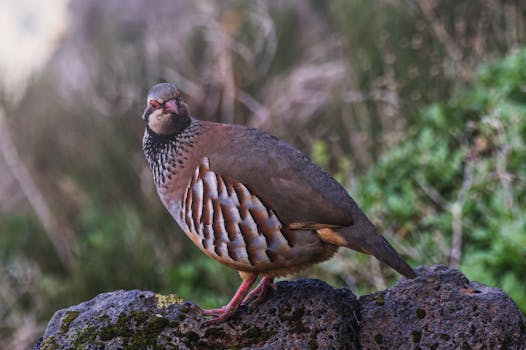
Raising Chukar Partridges in Captivity: Step-by-Step Guidance for Beginners
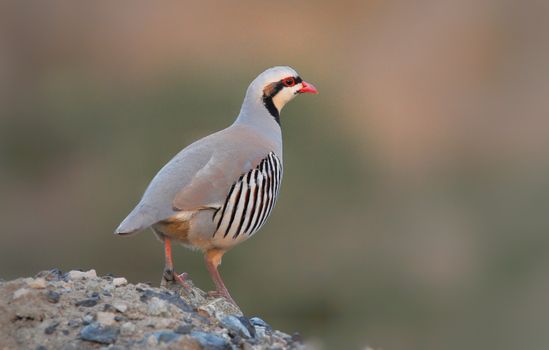
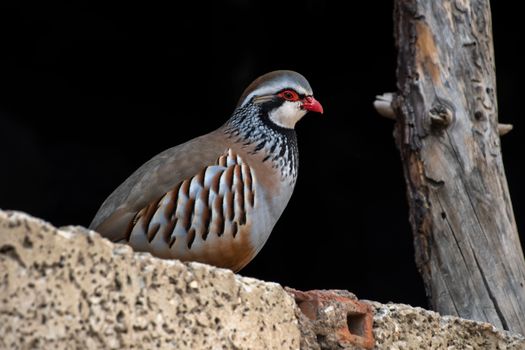
Chukar partridges, with their striking appearance and hardy nature, have captured the interest of poultry enthusiasts and small-scale farmers worldwide. Originally native to the rocky hills of Eurasia, these birds are now commonly raised in captivity for hunting preserves, meat production, and even as ornamental birds. However, successfully raising chukar partridges in captivity requires more than just providing food and shelter. With their unique behaviors and specific needs, chukars present both rewarding opportunities and distinct challenges for beginners.
Whether you're looking to start a small backyard flock or expand your poultry repertoire, this practical guide offers a step-by-step approach to raising chukar partridges in captivity. From understanding their natural behaviors to creating a safe environment and managing health, this article delivers essential knowledge for a successful start.
Understanding Chukar Partridge Behavior and Needs
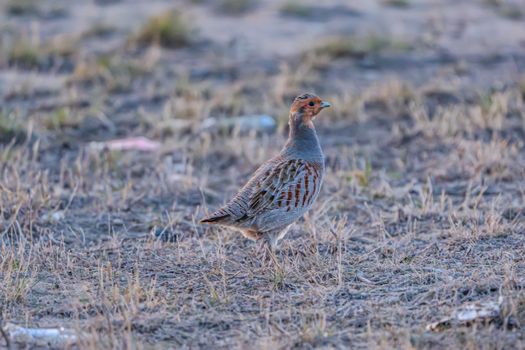
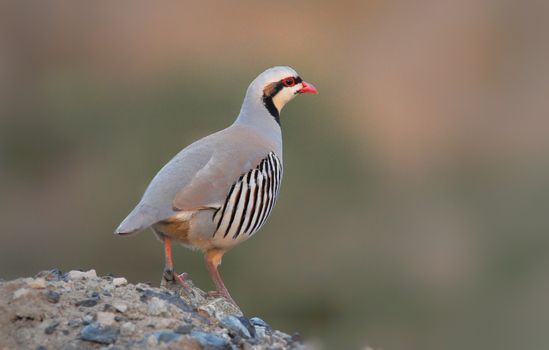
Before setting up a chukar partridge operation, it’s crucial to understand the species' natural habits and social structure. Chukars (Alectoris chukar) are ground-dwelling birds known for their agility and social tendencies. In the wild, they inhabit dry, rocky slopes and are highly adapted to arid environments.
.png) Key Behavior Traits:
- Chukars are social but territorial, preferring to live in small flocks.
- They are excellent runners and strong flyers when startled.
- These birds have a strong instinct to roost on the ground, which impacts housing design.
- Chukars are notorious for feather pecking and cannibalism if overcrowded or stressed.
Key Behavior Traits:
- Chukars are social but territorial, preferring to live in small flocks.
- They are excellent runners and strong flyers when startled.
- These birds have a strong instinct to roost on the ground, which impacts housing design.
- Chukars are notorious for feather pecking and cannibalism if overcrowded or stressed.
Understanding these behaviors is fundamental for designing their enclosures, choosing flock sizes, and preventing common welfare problems. For beginners, starting with a manageable group of 10-20 birds is recommended, allowing you to observe and learn their patterns before scaling up.
Designing the Ideal Enclosure for Chukars
Effective housing is central to the health and productivity of captive chukar partridges. Unlike chickens or quail, chukars require specific accommodations to thrive and avoid injury.
Space Requirements: - Chukars need a minimum of 2 square feet per adult bird for optimal well-being. - Overcrowding leads to aggression, feather loss, and increased mortality rates. Enclosure Features: - Use strong, fine-mesh wire (½-inch) to prevent escape and protect from predators (foxes, raccoons, snakes). - Enclosures should be at least 6 feet tall to allow for flight and reduce head injuries. - Provide a sheltered area for protection from rain and wind, as well as shaded spots in sunny climates. - The floor can be dirt, sand, or gravel for natural scratching and dust bathing, but should be well-drained. Roosting and Nesting: - Chukars prefer to sleep on the ground, so nesting boxes should be low or placed directly on the floor. - Provide secluded corners or low dividers for privacy and to reduce stress during laying season. Ventilation and Biosecurity: - Good airflow is essential to prevent respiratory issues; avoid drafts, especially for chicks. - Install footbaths and hand-washing stations at entry points to reduce disease risk.Feeding Chukar Partridges: Nutrition and Water Management
Providing the correct diet is essential for healthy growth, robust egg production, and disease resistance.
Starter Diet for Chicks: - Chukar chicks require a high-protein game bird starter feed with 26-28% protein for the first 6-8 weeks. - Avoid using generic chick starter (for chickens) as it often lacks sufficient protein and essential amino acids. Grower and Adult Diet: - After 8 weeks, switch to a grower or maintenance feed with 18-20% protein. - For breeding adults, ensure calcium supplementation (such as crushed oyster shell) to support eggshell formation. Supplements and Grit: - Provide insoluble grit from day one to aid digestion, as chukars consume whole grains and seeds. - Fresh greens, millet sprays, and occasional mealworms can enrich their diet and stimulate natural foraging behaviors. Water Management: - Clean, fresh water must be available at all times. - Use shallow, tip-proof drinkers for chicks to prevent drowning. - In hot weather, check waterers twice daily to ensure supply and cleanliness.Nutritional Needs at a Glance:
| Life Stage | Protein (%) | Calcium (%) | Special Notes |
|---|---|---|---|
| Chicks (0-8 weeks) | 26-28 | 0.9-1.0 | High protein crucial for early growth |
| Growers (8-20 weeks) | 18-20 | 1.0-1.2 | Transition gradually to lower protein feed |
| Breeders/Adults | 18-20 | 2.5-3.5 | Extra calcium for laying hens |
Managing Health and Preventing Disease in Captive Chukars
Disease prevention and rapid response are vital for maintaining a healthy chukar flock. Chukars are relatively hardy but can be susceptible to a range of issues, especially in captive conditions.
Common Health Challenges: - Coccidiosis: A parasitic disease often caused by damp litter or overcrowding. Prevent with medicated starter feeds and regular cleaning. - Respiratory Illness: Poor ventilation and dusty bedding can lead to infections like Mycoplasma. - External Parasites: Mites and lice can affect feather quality and bird comfort; treat with approved poultry dusts. Biosecurity Tips: - Quarantine new arrivals for at least 2 weeks before introducing to the flock. - Limit access to wild birds and rodents, which can carry diseases. - Clean enclosures, feeders, and waterers weekly with a mild disinfectant. Vaccinations and Deworming: - While not always required for small backyard flocks, commercial operations often vaccinate against diseases like Newcastle or fowl pox. - Deworm adult birds every 6 months, or as recommended by a veterinarian. Mortality Rates: - Chukar chick mortality averages 15-20% in the first 4 weeks, primarily due to environmental stress or nutritional deficiencies. Careful brooding and hygiene can reduce losses significantly.Breeding Chukar Partridges: Tips for Success
If you plan to breed chukars, understanding their reproductive needs will boost your chances of hatching healthy chicks.
Breeding Season and Egg Production: - Chukars are seasonal layers, typically producing eggs from April through August. - A healthy hen lays 40-50 eggs per season, with optimal fertility in the first 3 months. Pairing and Nesting: - Maintain a ratio of 1 male to 3-4 females for best fertility and reduced aggression. - Provide secluded nest boxes or dense cover to encourage laying and reduce egg loss. Incubation: - Chukar eggs require 23-24 days of incubation at 99.5°F (37.5°C) and 50-55% humidity. - Turn eggs 3-5 times daily if using a manual incubator, or invest in an automatic model for consistency. - Hatch rates average 65-75% with proper handling. Brooding Chicks: - Keep brooder temperature at 95°F (35°C) for the first week, reducing by 5°F each week until fully feathered. - Use red heat lamps to reduce pecking and cannibalism.Handling and Socialization: Building a Calm Flock
Handling captive chukars with care is essential for keeping the birds calm and minimizing injuries. Unlike domestic chickens, chukars are more prone to panic and can injure themselves if startled.
Best Practices for Handling: - Move slowly and speak softly when approaching the enclosure. - Use a small net or towel to catch birds when needed, never grabbing by the legs or wings. - Limit unnecessary handling, especially with young chicks, to reduce stress. Socialization Tips: - Spend time near the enclosure daily so the birds become accustomed to your presence. - Introduce new birds gradually, using a wire partition for the first week to prevent fighting. Enrichment: - Scatter feed to encourage natural foraging. - Provide dust-bathing areas and perches made from low, stable platforms or rocks.Final Thoughts on Raising Chukar Partridges in Captivity
Raising chukar partridges in captivity is a rewarding venture that offers unique challenges and considerable satisfaction. With proper planning, attention to their specific needs, and a commitment to welfare, even beginners can enjoy thriving, productive flocks. As with any animal husbandry project, continual learning and observation are key. Monitor your birds closely, adapt your practices as you gain experience, and don’t hesitate to seek advice from veterinarians or experienced breeders. With patience and care, chukar partridges can become a valuable and enjoyable addition to your poultry endeavors.