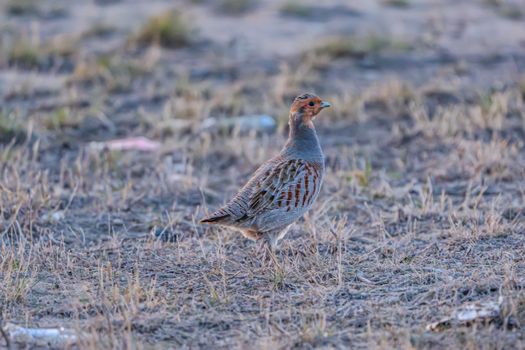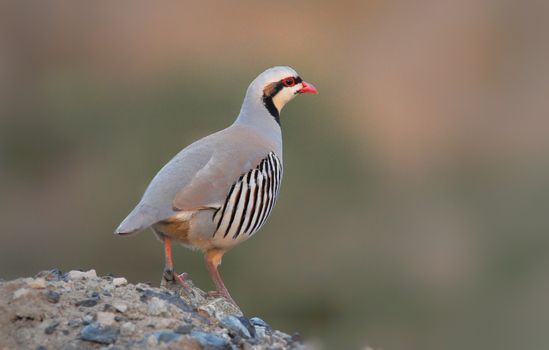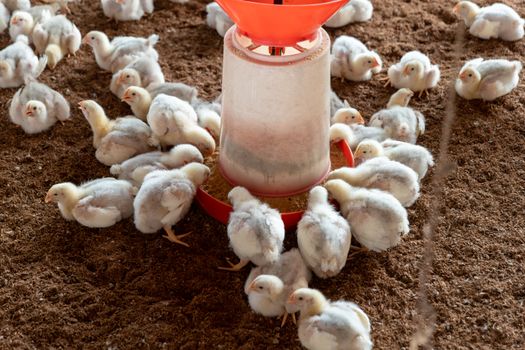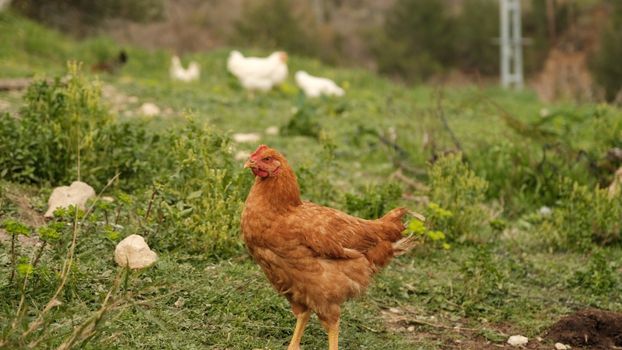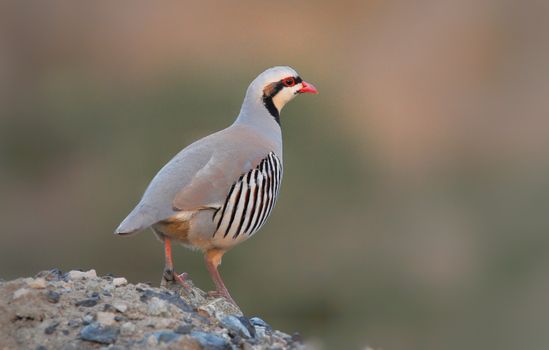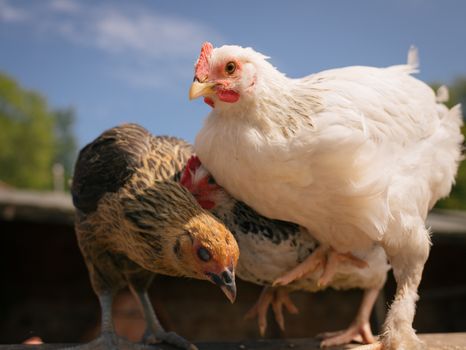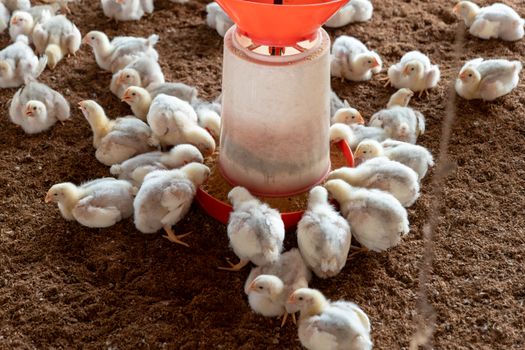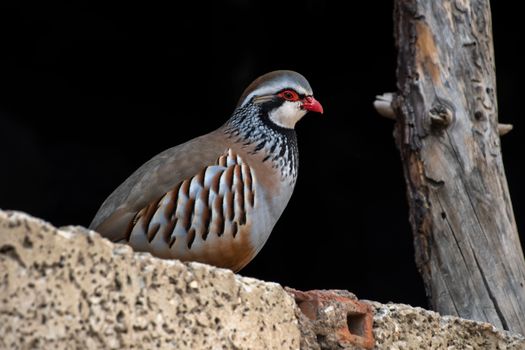
Chukar partridges, commonly known as chukar chickens, are prized game birds in many parts of the world for their hardiness, rapid growth, and adaptability. As demand for chukar chickens grows in both commercial and hobbyist settings, understanding the latest trends in chukar chicken genetics is crucial for anyone interested in breeding top-quality birds. Selective breeding can dramatically affect flock productivity, health, and even market appeal. This article explores modern genetic trends, the science behind selecting the best breeding variants, and practical steps to ensure a thriving, resilient chukar population.
The Growing Importance of Genetics in Chukar Chicken Breeding
Chukar chickens (Alectoris chukar) have become increasingly popular due to their robust nature and adaptability to a range of environments. Recent years have seen a shift from traditional breeding, which relied mainly on visual selection and basic health checks, to a more scientific, genetics-driven approach.
The genetic diversity within chukar flocks can influence everything from disease resistance to egg production rates. According to a 2022 report by the International Game Bird Breeders Association, flocks with carefully managed genetic diversity exhibit up to 32% fewer health issues compared to those bred without genetic oversight. This underscores the importance of understanding and managing genetic traits when selecting breeding stock.
.png)
Advances in genetic testing have made it possible even for small-scale breeders to screen for desirable traits. As a result, breeders are increasingly focusing on genetics not just for performance, but also for traits like feather color, growth rate, and adaptability to local climates.
Key Genetic Traits in Chukar Chickens: What Breeders Look For
When selecting chukar chickens for breeding, there are several genetic traits that top the priority list. These traits not only impact the commercial viability of the flock but also ensure the long-term sustainability of the lineage.
1. Disease Resistance: One of the most sought-after traits is resistance to common avian diseases, such as avian pox or Newcastle disease. Birds with strong immune responses are more likely to thrive and require less medical intervention. 2. Growth Rate: Fast-growing birds reach market weight sooner, increasing profitability. Genetic markers linked to rapid juvenile growth are now routinely screened during the selection process. 3. Egg Production: For breeders interested in table eggs or maintaining a self-sustaining flock, higher egg-laying capacity is essential. Some genetic lines can produce up to 40% more eggs per season. 4. Feather Quality and Color: While not directly related to productivity, feather color and pattern can enhance the market appeal, especially for ornamental or specialty markets. 5. Adaptability to Climate: Genetics play a role in a bird’s ability to cope with temperature extremes. Some variants are more heat- or cold-tolerant, ensuring better survival rates in diverse environments.Modern Genetic Selection Methods: From Phenotype to Genotype
Traditional breeding relied heavily on phenotype—the observable traits of the bird. While this method remains useful, it is now increasingly complemented by genotypic analysis, which delves into the bird’s DNA to predict performance and health.
Today’s breeders employ several modern genetic selection methods:
- Pedigree Analysis: Tracking lineage to avoid inbreeding and maintain genetic diversity. - DNA Marker-Assisted Selection: Identifying birds that carry beneficial genes using simple blood or feather samples. - Genomic Selection: Using advanced sequencing technologies to scan entire genomes for desirable traits.For example, a 2023 study published in the Journal of Avian Biology found that flocks selected using DNA marker-assisted selection had 18% higher survivability rates than those bred by phenotype alone. This highlights the growing value of incorporating genetic testing into breeding programs.
Comparing Popular Chukar Chicken Genetic Variants
Not all chukar chickens are created equal. Within the species, different genetic lines offer distinct advantages depending on breeding goals. Below is a comparative table highlighting some of the most popular chukar chicken variants and their key characteristics:
| Genetic Variant | Growth Rate | Egg Production (per season) | Disease Resistance | Climate Adaptability |
|---|---|---|---|---|
| Standard Wild-Type | Moderate | 70-90 eggs | High | Excellent |
| Commercial Fast-Growth | High | 90-110 eggs | Moderate | Good |
| Egg-Layer Line | Moderate | 100-120 eggs | Moderate | Fair |
| Ornamental/Exotic | Low | 60-80 eggs | Low | Poor |
This table demonstrates how no single variant excels in all areas. For instance, while the commercial fast-growth variant reaches market weight quickly, its disease resistance is not as robust as the wild-type. Breeders must balance these factors based on their specific objectives.
Practical Steps for Selecting the Best Chukar Chicken Breeding Stock
Applying genetic insights in the real world involves more than just reading DNA reports. Here are practical steps for selecting superior chukar chickens for breeding:
1. Define Breeding Goals: Decide if you’re optimizing for egg production, meat yield, hardiness, or ornamental qualities. This focus will guide your selection criteria. 2. Source Diverse Parent Stock: Avoid relying on a single genetic line. Sourcing breeding stock from multiple reputable suppliers reduces the risk of inbreeding and boosts genetic health. 3. Use Genetic Testing: Where possible, utilize DNA testing to identify carriers of desirable and undesirable traits. Simple swab tests can now screen for disease resistance and growth markers. 4. Monitor Performance Data: Keep detailed records of each bird’s growth rates, egg production, and health outcomes. Over time, this data helps refine your selection process. 5. Cull Strategically: Remove birds that consistently underperform or show signs of genetic weaknesses. This prevents propagation of undesirable genes. 6. Plan for Genetic Refresh: Every few generations, introduce new genetic material to maintain vigor. Experts recommend refreshing at least 10% of your breeding population every 2-3 years.Challenges and Ethical Considerations in Genetic Selection
While the science of genetics offers tremendous benefits, it also presents challenges and ethical questions. Over-selection for a single trait, such as rapid growth, can inadvertently lead to other issues like weakened immune systems or reproductive problems. For example, a 2021 survey of European game bird breeders revealed that 27% of fast-growth lines showed increased susceptibility to respiratory diseases.
Additionally, maintaining genetic diversity is essential to prevent inbreeding depression—a state where reduced genetic variability leads to lower fertility and increased health issues. Ethical breeders strive to balance commercial goals with the long-term health of the species.
There is also a growing awareness of animal welfare in breeding programs. While genetic selection can improve productivity, it’s important to avoid practices that compromise the birds’ quality of life. For instance, birds bred solely for appearance may suffer from health problems related to their unique features.
The Future of Chukar Chicken Genetics: Innovation on the Horizon
The field of chukar chicken genetics is rapidly evolving. Recent innovations include the use of CRISPR gene-editing techniques, which, though controversial, offer potential for introducing disease resistance without the lengthy process of traditional breeding.
Another exciting trend is the integration of artificial intelligence in breeding programs. AI can analyze vast amounts of performance and genetic data to recommend optimal breeding pairs, further increasing the precision and efficiency of selection.
According to the Global Poultry Genetics Market Report 2023, the adoption of advanced genetic tools among small and medium-sized game bird breeders is expected to grow by 40% over the next five years. This democratization of technology means that even hobbyists can access cutting-edge genetic insights once reserved for major commercial operations.
Final Thoughts on Selecting the Best Genetic Variants for Chukar Chicken Breeding
Genetics plays a pivotal role in the success of chukar chicken breeding programs, whether for commercial, conservation, or hobbyist purposes. By embracing modern genetic selection tools and balancing performance with long-term health and diversity, breeders can build flocks that excel in productivity, resilience, and adaptability.
As technology advances, it’s easier than ever to make informed, ethical breeding decisions. By understanding the trends and applying them thoughtfully, today’s breeders can ensure the continued vitality and success of the chukar chicken for generations to come.