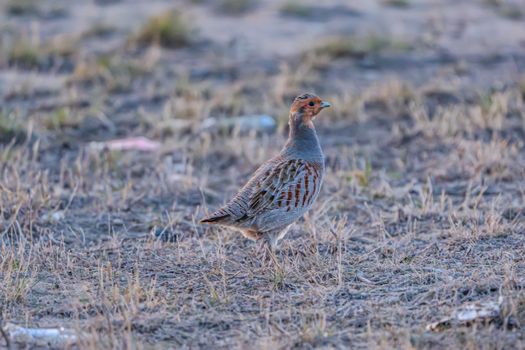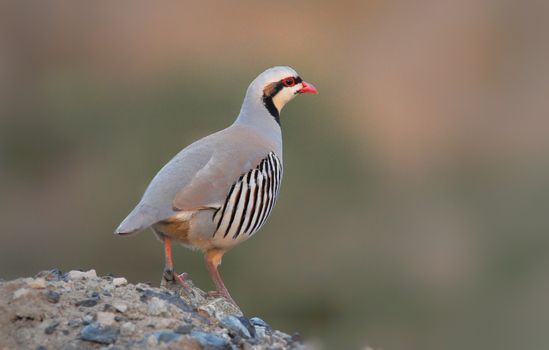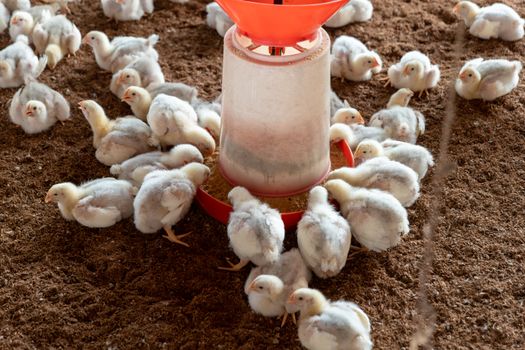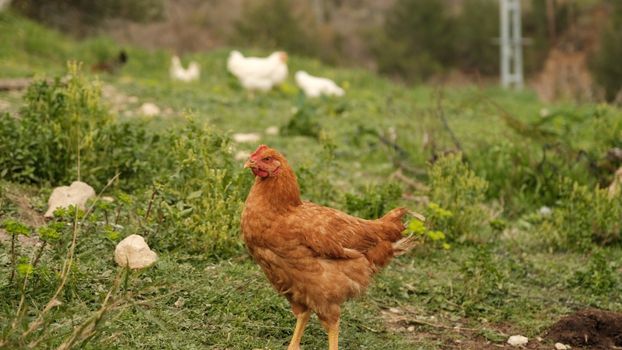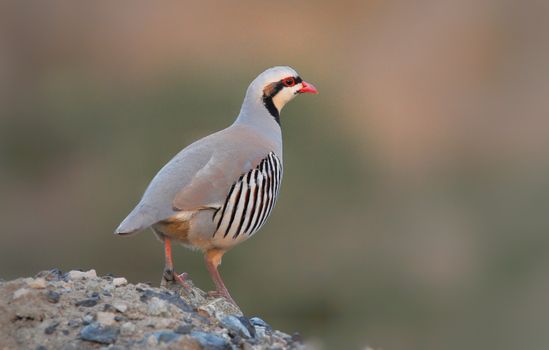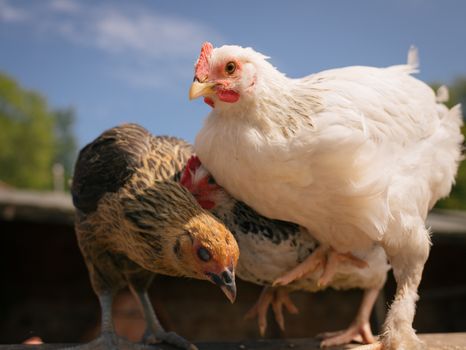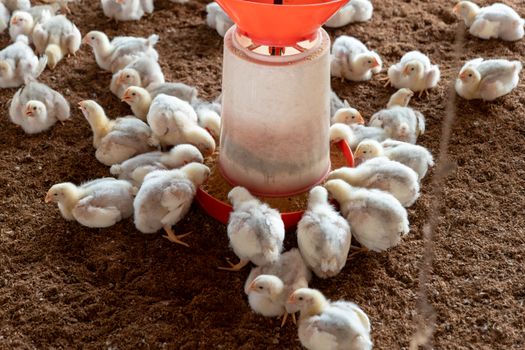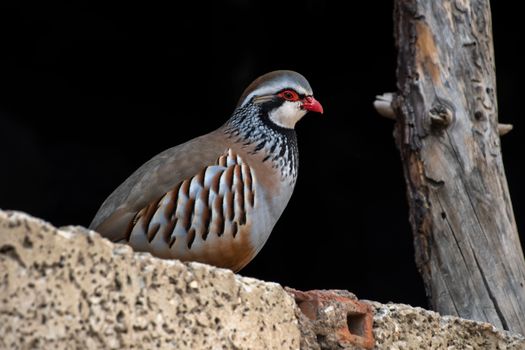
Chukar chickens, prized for their resilience and adaptability, are a favorite among breeders worldwide. Yet, despite their robust nature, these birds are not immune to stress—a factor that can significantly affect their health, productivity, and overall well-being. For breeders, understanding and managing stress in Chukar chickens is not just about ensuring animal welfare; it is also crucial for maintaining optimal flock performance and preventing losses. This comprehensive guide delves into the causes, signs, and advanced strategies for managing stress in Chukar chickens, offering actionable insights for breeders aiming to create a thriving, stress-minimized environment.
Understanding Stress in Chukar Chickens: Causes and Consequences
Stress in Chukar chickens can arise from a multitude of sources, both environmental and biological. Unlike other poultry, Chukars are particularly sensitive to sudden changes, making them susceptible to stress-related issues.
Common stressors include: - Sudden temperature fluctuations - Overcrowding - Poor ventilation - Handling and transport - Inadequate nutrition - Predator threats - Loud noises or abrupt lighting changesThe consequences of stress are not merely behavioral. Scientific studies have shown that stressed Chukar chickens exhibit a range of physiological responses, such as elevated corticosterone levels (the primary avian stress hormone), which can suppress the immune system. According to a 2022 study published in the Journal of Avian Biology, Chukar flocks experiencing chronic stress had a 30% higher mortality rate and a 25% reduction in egg production compared to well-managed flocks.
.png)
In addition, stress can lead to feather pecking, cannibalism, reduced growth rates, and increased susceptibility to diseases like coccidiosis and respiratory infections. These outcomes not only impact bird welfare but also carry significant economic implications for breeders.
Recognizing Early Signs of Stress in Chukar Chickens
Early detection of stress is key to effective intervention. Chukar chickens often display subtle behavioral and physical signs before more serious issues develop.
Behavioral signs include: - Increased aggression or feather pecking - Restlessness or constant movement - Withdrawal from flock mates - Decreased feeding or drinking activity Physical signs may manifest as: - Ruffled or missing feathers - Pale combs and wattles - Weight loss or stunted growth - Increased respiratory rate or labored breathingA 2021 survey of 100 Chukar breeders found that 68% could identify stress in their flocks by observing changes in feeding patterns and social interactions. However, only 32% regularly monitored for more subtle indicators, highlighting the need for vigilant observation and record-keeping.
Environmental Adjustments: Creating a Low-Stress Habitat
The habitat in which Chukar chickens live is the single most controllable factor in stress management. Optimizing the environment can dramatically reduce stress and its negative impacts.
Key environmental strategies include: - Temperature Control: Chukars thrive at temperatures between 18°C and 24°C (64°F–75°F). Use shade, ventilation, and, when necessary, heating to avoid stressful extremes. - Space Allocation: The recommended space for adult Chukar chickens is at least 0.3 square meters (about 3.2 square feet) per bird. Overcrowding increases competition and aggression. - Enrichment: Providing perches, dust baths, and objects to explore reduces boredom and stress. Studies show that environmental enrichment can lower stress hormone levels by up to 20%. - Lighting: Maintain a regular day-night cycle with gradual transitions. Sudden changes in lighting can startle birds and disrupt their circadian rhythms.The following table compares common environmental stressors and effective mitigation techniques:
| Stressor | Impact on Chukar Chickens | Mitigation Strategy |
|---|---|---|
| Temperature Extremes | Heat/cold stress, reduced immunity | Use climate control, provide shade or heating |
| Overcrowding | Aggression, feather pecking | Ensure adequate space, split large flocks |
| Loud Noises | Startling, panic, injury | Locate aviaries away from high-traffic areas |
| Poor Ventilation | Respiratory issues, discomfort | Install fans, open windows for airflow |
| Sudden Light Changes | Disrupted routines, anxiety | Automate lighting with gradual transitions |
Implementing these adjustments can reduce stress-related losses and improve overall flock productivity.
Nutrition and Health Management: Key Elements in Stress Reduction
Proper nutrition and health care are foundational to stress management in Chukar chickens. Nutrient deficiencies and untreated illnesses are primary contributors to chronic stress.
1. Balanced Diet: Chukar chickens require a diet rich in protein (23–25% for chicks, 18–20% for adults), vitamins, and minerals. Deficiencies in Vitamin E, selenium, or calcium can exacerbate stress and related conditions. 2. Clean Water: Ensure constant access to clean, fresh water. Even brief periods of dehydration can increase stress hormone levels and lead to health complications. 3. Preventive Healthcare: Regular vaccination and deworming schedules protect against common diseases that can stress the flock. According to the American Association of Avian Pathologists, vaccination reduces disease-related stress incidents by up to 40%. 4. Probiotics and Supplements: Adding probiotics to feed supports gut health, which is closely linked to stress resilience. Supplementing with natural antioxidants like Vitamin C has been shown in studies to lower corticosterone levels in poultry.Monitoring feed and water intake is essential—sudden drops often signal stress, illness, or environmental problems requiring immediate attention.
Handling, Transport, and Social Management Techniques
Human interaction is a double-edged sword in Chukar chicken management. Gentle, predictable handling can build trust and reduce stress, while rough or erratic handling can have the opposite effect.
Best practices for handling and transport include: - Minimize Handling: Only handle birds when necessary, and always with calm, deliberate movements. - Use Proper Equipment: Soft nets or padded crates reduce injury and panic during transport. - Acclimatize Birds: Gradually introduce young Chukars to human presence to build familiarity. - Plan Transport Carefully: Move birds during cooler hours, avoid overcrowding in transport boxes, and keep trips as short as possible. A study found that transport times exceeding 2 hours increased mortality by 12% in Chukar flocks compared to trips under 1 hour. - Social Group Management: Avoid introducing large numbers of new birds at once. Instead, integrate small groups to minimize hierarchy-related stress.These techniques, while simple, can greatly reduce stress spikes associated with handling and movement.
Monitoring and Continuous Improvement: The Modern Breeder’s Approach
Effective stress management is not a one-time fix but an ongoing process of observation and adaptation. Modern breeders are increasingly turning to data-driven methods to monitor flock health and well-being.
1. Record Keeping: Maintain detailed logs of feeding, watering, health interventions, and behavioral observations. Patterns can reveal early warning signs of stress. 2. Technology Integration: Infrared cameras, environmental sensors, and automated feed/water dispensers can help maintain optimal conditions and alert breeders to issues in real time. 3. Regular Health Checks: Schedule periodic veterinary reviews and self-inspections to catch problems before they escalate. 4. Feedback Loops: Engage with staff or family members working with the flock to report unusual observations promptly.According to a recent survey by the National Poultry Improvement Program, breeders who implemented systematic monitoring reduced stress-related incidents by 35% within the first year.
Final Thoughts on Managing Stress in Chukar Chickens
Successfully breeding Chukar chickens requires more than just basic care; it demands a comprehensive understanding of the factors that cause stress and a proactive approach to managing them. By creating a stable environment, providing balanced nutrition, practicing gentle handling, and embracing modern monitoring techniques, breeders can greatly improve the welfare and productivity of their flocks.
Stress management in Chukar chickens is an investment that pays dividends in healthier birds, higher yields, and a more satisfying breeding experience. As research and technology continue to evolve, breeders have more tools than ever to ensure their Chukars thrive in a low-stress, high-welfare environment.