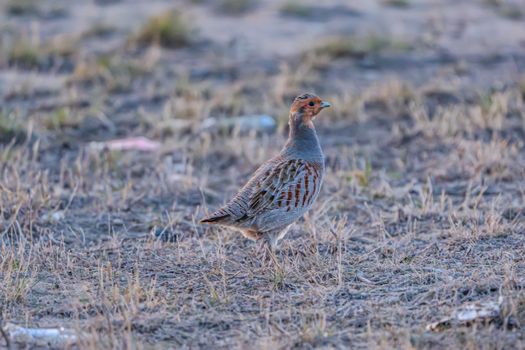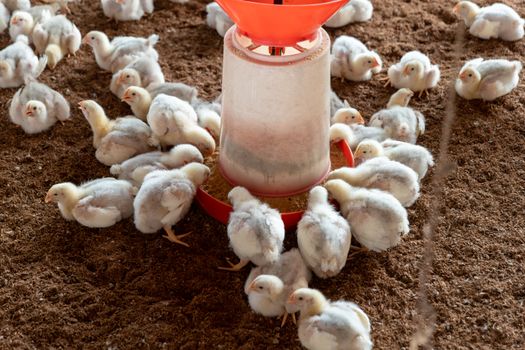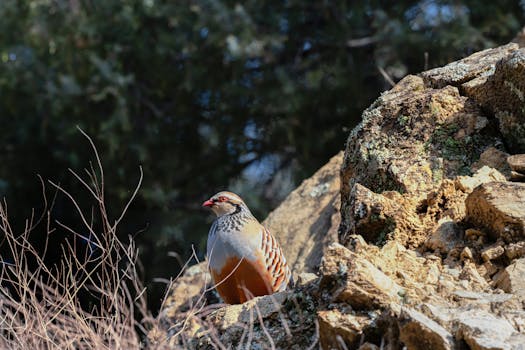
Chukar partridges are increasingly attracting the interest of poultry enthusiasts and commercial breeders alike. Their hardy nature, adaptability, and unique flavor profile make them a prized choice in both hobby and small-scale commercial settings. However, before taking the plunge into chukar partridge breeding, there are several crucial factors every prospective buyer and breeder should thoroughly understand. This guide provides a comprehensive overview, focusing on aspects that are often overlooked but vital for long-term success.
Understanding Chukar Partridges: Species, Traits, and Suitability
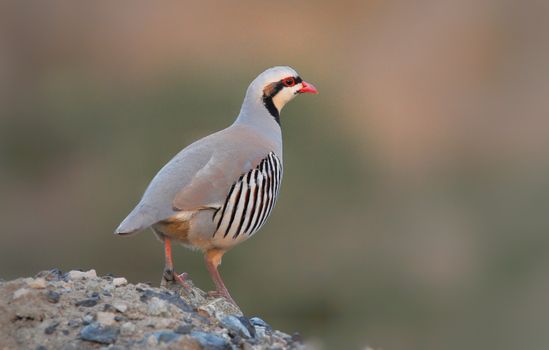
Chukar partridges (Alectoris chukar) are native to Asia and southeastern Europe, thriving in rocky and arid regions. Their adaptability to varied climates is a key reason for their popularity, but not all chukar partridges are bred equally. Before making a purchase, it’s essential to grasp the basics:
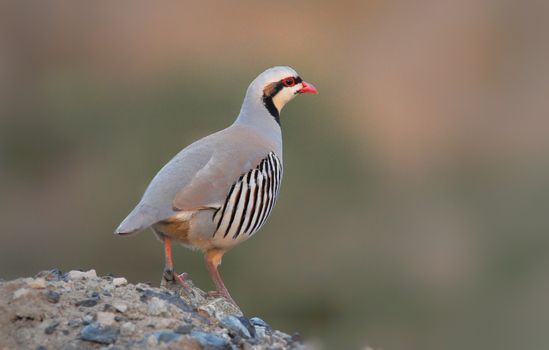
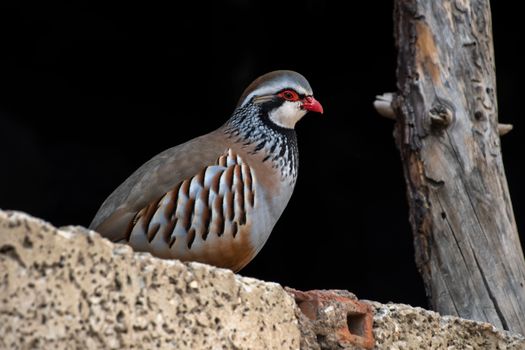
1. $1: While Alectoris chukar is the most common, there are hybrids resulting from crossings with red-legged partridges (Alectoris rufa). Hybrids may exhibit different growth rates, egg yields, or disease resistance traits. 2. $1: Chukars are medium-sized birds, with adults weighing between 500-800 grams. They are recognized by their light brown back, pale gray breast, black gorget, and characteristic red beak and legs. 3. $1: Unlike quail, chukars can be more aggressive, especially in confined settings. They require careful management to prevent bullying or injury. 4. $1: Are you buying for meat, eggs, sport, or ornamental purposes? Each goal may dictate different stock selection criteria, such as growth rate, fertility, or plumage quality.Key Health Factors: Disease Resistance and Vaccination Needs
One of the most crucial, yet often underestimated, aspects of chukar partridge breeding is health management. Chukars are generally hardy, but certain conditions can pose significant risks.
.png) 1. $1: The most prevalent threats include coccidiosis, Newcastle disease, and avian pox. According to a 2022 survey by the National Poultry Improvement Plan, about 18% of small partridge flocks experience at least one outbreak per year.
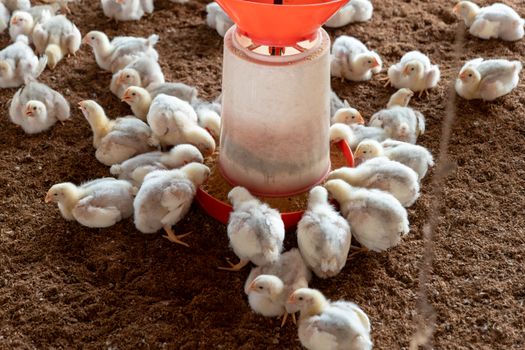
2. $1: Always inquire about the vaccination history of any birds you intend to purchase. Chicks should be vaccinated early, and breeders should maintain up-to-date records.
3. $1: Introducing new birds can bring pathogens into your flock. A minimum 2-week quarantine is recommended for all new arrivals.
4. $1: Implementing strict entry controls, regular disinfection, and rodent control can reduce disease risk by up to 60%, according to the USDA.
1. $1: The most prevalent threats include coccidiosis, Newcastle disease, and avian pox. According to a 2022 survey by the National Poultry Improvement Plan, about 18% of small partridge flocks experience at least one outbreak per year.
2. $1: Always inquire about the vaccination history of any birds you intend to purchase. Chicks should be vaccinated early, and breeders should maintain up-to-date records.
3. $1: Introducing new birds can bring pathogens into your flock. A minimum 2-week quarantine is recommended for all new arrivals.
4. $1: Implementing strict entry controls, regular disinfection, and rodent control can reduce disease risk by up to 60%, according to the USDA.
Assessing Source Quality: Hatcheries, Breeders, and Wild-Caught Birds
Where and how you buy your chukar partridges can have lasting effects on your breeding program’s success. Consider the following sources and their pros and cons:
| Source | Pros | Cons |
|---|---|---|
| Certified Hatcheries | Health guarantees, vaccination, known genetics | Higher cost, limited genetic diversity |
| Local Breeders | Potential for tailored advice, lower cost | Variable health standards, possible inbreeding |
| Wild-Caught | Genetic diversity, adaptation to local climate | Legal restrictions, high disease risk, poor adaptation to captivity |
Regulatory and Legal Considerations: Licenses and Permits
Before purchasing chukar partridges, research your region’s regulatory framework. Some areas require permits even for small-scale breeding, while others have strict rules regarding transport, sale, and release of game birds.
1. $1: The U.S. Fish and Wildlife Service, for example, mandates permits for importation and interstate transport of game birds, including chukars. 2. $1: Chukars are popular for game hunting, but releasing captive-bred birds into the wild without a license is illegal in many states. 3. $1: Compliance with local and national animal welfare legislation is essential. Routine inspections or certifications may be required for commercial operations. 4. $1: Maintaining detailed records of your flock’s origin, health status, and breeding history can be a legal requirement and is always a best practice.Environmental and Infrastructure Requirements for Chukar Partridges
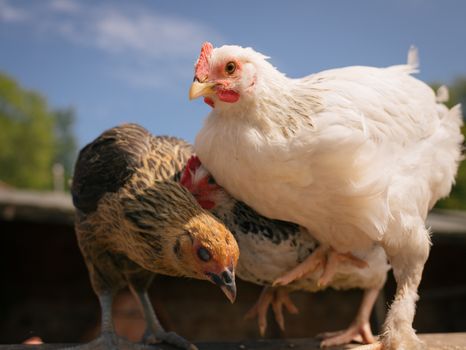
Chukar partridges differ from chickens and quail in their environmental needs, particularly regarding space, shelter, and enrichment.
1. $1: Overcrowding is the leading cause of stress and aggression in chukar flocks. The recommended minimum is 1-1.5 square feet per adult bird in pens, but more is always better. 2. $1: Chukars need well-ventilated, predator-proof housing. They prefer ground-level roosting but appreciate low perches and hiding places to mimic their natural habitat. 3. $1: Use sand or fine gravel as flooring to promote natural dust-bathing behavior and minimize foot problems. Clean pens at least once a week; studies show this reduces disease incidence by 40%. 4. $1: While chukars are hardy, they require protection from extreme cold, heat, and rain. If allowed outdoors, ensure fencing is at least 6 feet high—these birds are strong flyers and can escape easily. 5. $1: Providing rocks, logs, and varied terrain helps prevent boredom and feather pecking. Research from the University of California found that environmental enrichment can boost egg-laying rates by 12%.Financial Planning: Costs, Returns, and Hidden Expenses
Breeding chukar partridges is not just about the upfront price of chicks or adults. A clear understanding of both initial and ongoing costs is essential for sustainable operations.
- $1: Expect to pay $3–$6 per chick or $8–$15 per adult bird from reputable sources. Rare color variants or proven breeders may cost more. - $1: Building appropriate housing and fencing can range from $250 for a small backyard setup to over $2,000 for a commercial pen. - $1: Adult chukars consume about 25–30 grams of feed per day. Annual feed costs for a flock of 50 can reach $400–$600. - $1: Veterinary care, replacement of lost birds, and repairs to infrastructure must be factored in. A 2021 survey by the American Gamebird Association found that 15% of breeders spent more than $300 annually on unforeseen expenses.Planning and budgeting for these expenses will help avoid unpleasant surprises and keep your breeding project on a healthy financial footing.
Final Considerations for Chukar Partridge Buyers
Embarking on chukar partridge breeding can be deeply rewarding, offering a unique experience and the potential for profit or self-sufficiency. However, success hinges on diligent preparation and informed decision-making. By understanding the species’ unique needs, prioritizing health management, sourcing birds wisely, complying with regulations, and planning your infrastructure and finances, you lay the groundwork for a thriving and healthy flock.
Approach your purchase as a long-term investment: prioritize quality over quantity, seek reputable sources, and never underestimate the importance of continuous learning. With these foundations, your journey into chukar partridge breeding will be both enjoyable and sustainable.