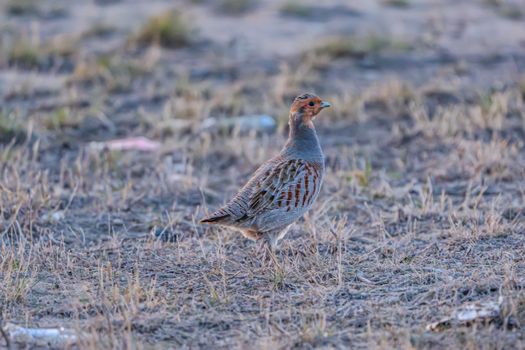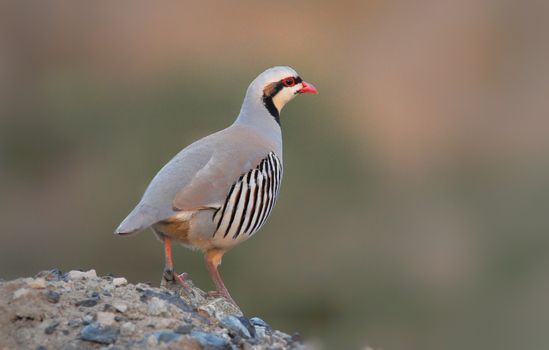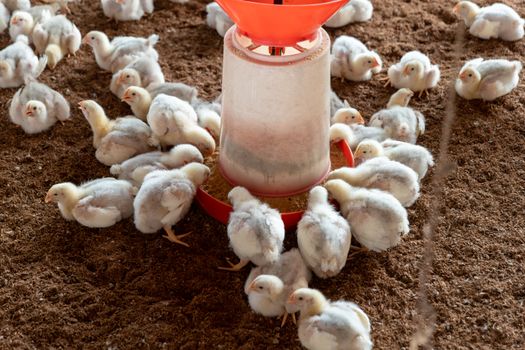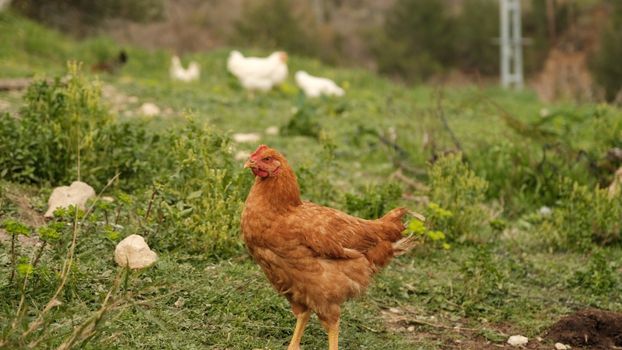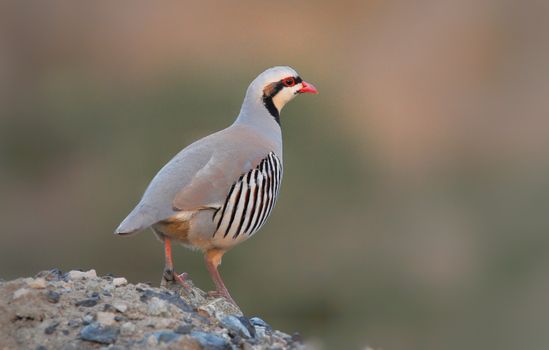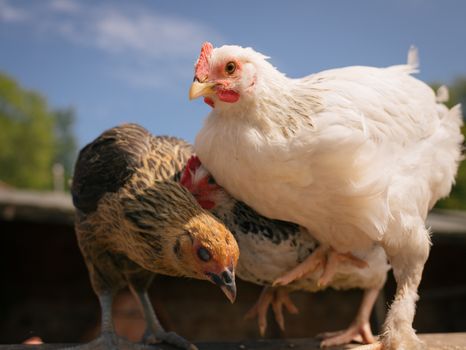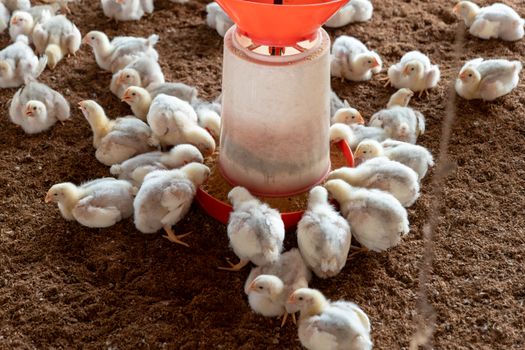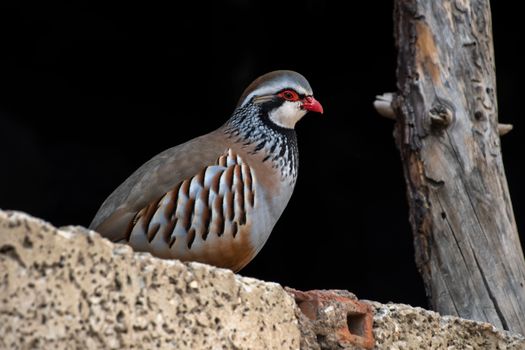
Raising chukar chickens can be a rewarding experience, whether you’re an experienced poultry keeper or a beginner drawn to their hardy nature and unique appearance. However, like all animals, chukars can develop behavioral problems that, if left unchecked, may affect their health, productivity, and even the safety of their flock mates. Understanding how to recognize and address behavioral issues in chukar chickens is crucial for maintaining a harmonious and productive environment. This article delves deep into the causes, signs, and solutions for behavioral problems specific to chukar chickens, helping you foster a healthy, thriving flock.
Understanding Normal vs. Problematic Chukar Chicken Behavior
Before you can identify behavioral issues, it’s important to know what constitutes normal behavior for chukar chickens. Chukars are naturally social, ground-dwelling birds with a pecking order and strong flock instincts. They are curious, active, and spend much of their time foraging, dust bathing, and communicating with characteristic calls.
Normal behaviors include: - Pecking and scratching at the ground - Occasional minor squabbles to establish hierarchy - Resting and preening - Foraging for food Behavioral problems arise when these activities intensify or deviate significantly from the norm. Common problematic behaviors in chukars include: - Excessive aggression or bullying - Feather pecking and cannibalism - Persistent panic or flightiness - Chronic feather loss unrelated to molt - Lethargy or social withdrawalRecognizing the difference between normal pecking order behaviors and harmful aggression is the first step in proactive management.
.png)
Common Causes of Behavioral Problems in Chukar Chickens
Behavioral problems rarely arise in a vacuum. Several key factors can trigger or exacerbate negative behaviors in chukars:
1. $1: Chukars require space to establish territories and avoid stress. The recommended stocking density is no more than 3-4 birds per square meter. Overcrowding increases competition for resources, leading to aggression and feather pecking. 2. $1: Inadequate protein, vitamins, or minerals can cause irritability, feather pecking, and cannibalism. Chukars, especially those raised for eggs or meat, need a diet with at least 20-24% protein. 3. $1: Chukars are intelligent birds that require stimulation. Barren environments can trigger destructive behaviors, including feather picking. 4. $1: Excessive artificial light (more than 16 hours/day) can increase stress and aggression. Conversely, insufficient daylight can make birds lethargic. 5. $1: Introducing new birds, abrupt temperature changes, or loud noises can cause panic and stress responses. 6. $1: Underlying health issues can make birds irritable or withdrawn, sometimes prompting aggressive behavior from flock mates.Identifying the root cause is essential for effective intervention.
Recognizing Early Signs of Behavioral Problems
Early detection of behavioral issues allows for prompt action, minimizing harm to your flock. Here are signs to watch for:
- $1: Chasing, pecking, or cornering other birds, especially outside of normal pecking order disputes. - $1: Patches of missing or broken feathers, wounds, or blood on the skin, especially around the head, back, or vent. - $1: Birds that were previously social becoming isolated, or new alliances forming to ostracize a flock member. - $1: Birds frequently flying at the enclosure walls, piling in corners, or vocalizing in distress. - $1: Birds sitting alone, not eating or drinking, or not engaging in normal activities.Compare the most common behavioral problems and their potential causes in the table below:
| Behavioral Problem | Common Signs | Potential Causes |
|---|---|---|
| Feather Pecking | Missing feathers, skin wounds, blood | Overcrowding, nutritional deficiency, boredom |
| Excessive Aggression | Chasing, fighting, isolation of weaker birds | Space shortage, improper socialization, stress |
| Panic/Flightiness | Frequent attempts to escape, crashing into walls | Sudden disturbances, predator presence, loud noises |
| Social Withdrawal | Lethargy, sitting alone, not eating | Illness, injury, chronic bullying |
Effective Strategies to Address Behavioral Issues in Chukar Chickens
Once a behavioral problem is identified, swift and targeted action can prevent escalation. Here’s how to address the most common issues:
1. $1: Ensure chukars have at least 3-4 square meters per bird in the aviary. For breeding groups, more space is often necessary. 2. $1: Use a balanced game bird feed with 20-24% protein and appropriate levels of calcium and vitamins. Supplement with greens, insects, or mealworms to reduce boredom and nourish the birds. 3. $1: Add perches, dust bathing areas, logs, or visual barriers. Regularly rotate toys or foraging opportunities to keep birds engaged. 4. $1: Keep artificial lighting to natural daylight hours (ideally 12-14 hours/day). Use timers to prevent overstimulation. 5. $1: If one bird is persistently aggressive, isolate it temporarily to break the cycle. For severe cases, consider rehoming or permanent separation. 6. $1: When adding new birds, introduce them slowly using a partition or “see but no touch” method for several days. 7. $1: Regularly check for parasites, signs of illness, or injury. Treat underlying health problems promptly. 8. $1: Shield the flock from sudden noises, predator threats, or temperature extremes.A study published in Poultry Science (2018) found that environmental enrichment reduced feather pecking by up to 40% in game birds, emphasizing the value of proactive management.
When to Seek Professional Help for Chukar Chicken Behavior
Most behavioral problems can be managed with good husbandry, but some situations require expert intervention:
- $1: If feather pecking escalates to blood-drawing or cannibalism despite changes, consult an avian veterinarian or poultry expert. - $1: If a bird becomes suddenly withdrawn or aggressive, especially with other signs of illness (weight loss, abnormal droppings), seek veterinary advice. - $1: If you notice the same problem recurring despite environmental improvements, a deeper health or management issue may be at play. - $1: In some areas, animal welfare regulations may require reporting or professional assessment for persistent behavioral problems.Addressing behavioral problems early not only improves flock welfare but can also boost productivity. Birds experiencing chronic stress or injury lay fewer eggs and grow more slowly, directly impacting your operation’s success.
Long-Term Prevention of Behavioral Problems in Chukar Chickens
Prevention is always preferable to cure. Building your management system around the natural behaviors and needs of chukar chickens will reduce the likelihood of issues developing.
- $1: Observe your birds daily for changes in behavior, feather condition, and social interactions. - $1: Keep feeding, cleaning, and handling routines predictable to minimize stress. - $1: Avoid large disparities in age or size within a group, as this can increase bullying. - $1: Be mindful of changing needs during breeding season or extreme weather. For example, aggression may spike during mating season—prepare by providing extra space and hiding spots. - $1: Keep records of incidents, interventions, and outcomes to identify patterns and improve your management strategies over time.According to the USDA, well-managed flocks have up to 30% lower mortality rates compared to those where behavioral issues are neglected. Prevention not only protects the birds but also your investment and peace of mind.
Supporting Healthy Flock Dynamics: Key Takeaways
Recognizing and addressing behavioral problems in chukar chickens is an essential part of responsible poultry management. By understanding what triggers negative behaviors, watching for early warning signs, and implementing targeted solutions, you can ensure a safe, healthy, and productive environment for your birds. Remember, the most successful chukar keepers are those who take a proactive, attentive approach, continuously adapting their management to the needs of the flock.