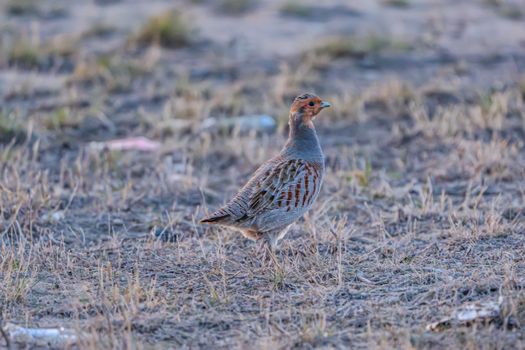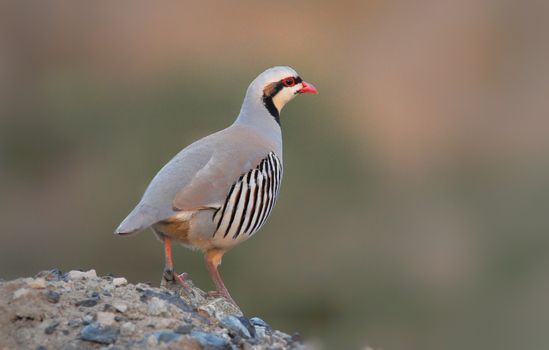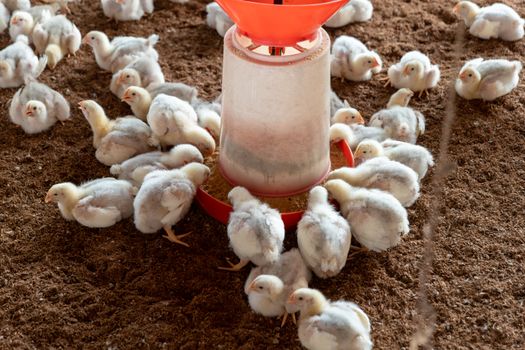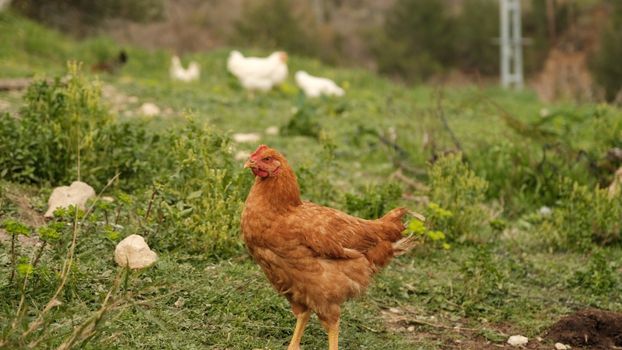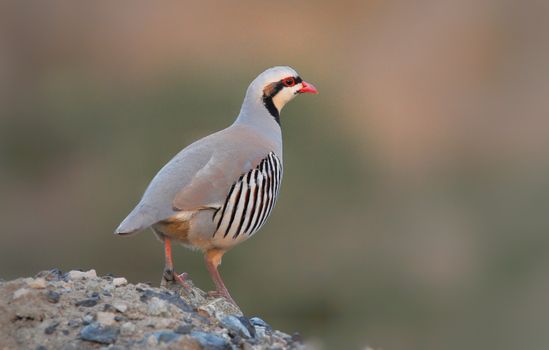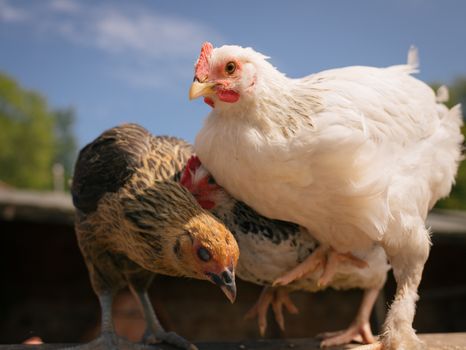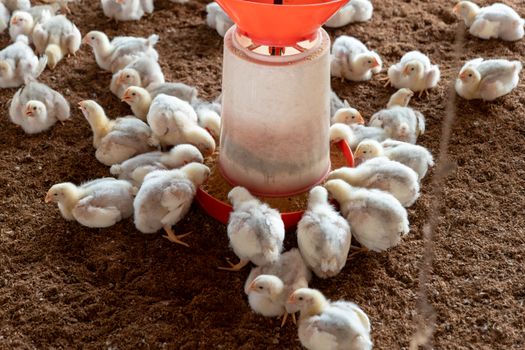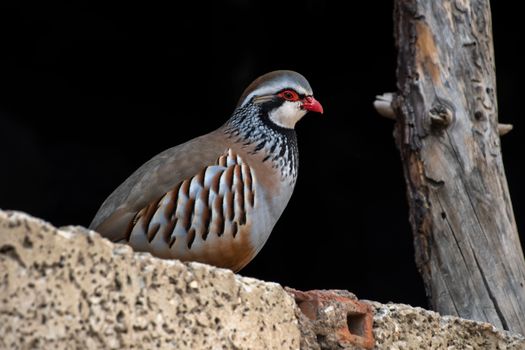
Game bird farming—a practice that involves breeding and raising birds such as pheasants, quail, partridges, and ducks for hunting, meat, eggs, or ornamental purposes—has grown steadily in popularity across North America and Europe. While this agricultural niche brings economic opportunities to rural communities, it also raises questions about its environmental impact. Understanding both the positive and negative consequences is crucial for consumers, landowners, and policymakers interested in sustainable agriculture and wildlife conservation.
In this comprehensive guide, we’ll explore the environmental footprint of game bird farming, examining both its challenges and potential benefits. We’ll look at habitat management practices, disease transmission risks, resource usage, and how game bird farms compare environmentally to other forms of protein production. By the end, you’ll have a nuanced perspective on how game bird farming interacts with the natural world.
Habitat Modification: Balancing Conservation and Disturbance
One of the most significant environmental impacts of game bird farming comes from land use changes. Many game bird farms manage large tracts of land to support the breeding and release of birds for hunting preserves or restocking programs. This can have both positive and negative effects on local ecosystems.
.png)
On the positive side, well-managed game bird farms can actually enhance habitats. For instance, a 2020 study published in "Ecology and Evolution" found that managed hunting estates in the UK supported 35% higher plant diversity compared to unmanaged farmland, thanks to habitat restoration and controlled burning practices. By preserving hedgerows, woodlands, and grasslands, some farms provide refuge for native species—including insects and small mammals—that might otherwise be displaced by intensive crop agriculture.
However, habitat modification can also disrupt native flora and fauna. When non-native game birds are introduced on a large scale, there’s a risk of competition with local species. Additionally, the regular disturbance from human activity, machinery, and the birds themselves can alter soil composition, reduce plant cover, and fragment habitats. Poorly managed farms may inadvertently promote invasive plant species or degrade wetlands through overuse.
Ultimately, the environmental impact of habitat modification depends on the farm’s management practices. Farms that prioritize ecological stewardship and integrate conservation goals can make a positive difference, while those focused solely on production may cause harm.
Resource Use: Feed, Water, and Energy Demands
Like all forms of animal agriculture, game bird farming requires significant inputs of feed, water, and energy. The scale of these demands varies depending on the species raised and the intensity of production.
A typical game bird farm may house anywhere from a few hundred to over 50,000 birds, especially during peak breeding and rearing seasons. According to the U.S. Department of Agriculture, raising 1,000 pheasants to maturity requires approximately 2,000-2,500 pounds of feed and 3,600 gallons of water. Quail, being smaller, require less—about 1,200 pounds of feed and 2,000 gallons of water per 1,000 birds.
Energy use on game bird farms also includes heating and lighting for brooding chicks, running incubators, and operating vehicles and equipment. Compared to large-scale chicken or turkey operations, game bird farms are often smaller and less automated, but this can mean lower efficiencies and higher per-bird resource use.
To help illustrate, here’s a comparison of typical resource inputs for different types of animal farming:
| Farming Type | Feed Required (lbs/1,000 birds) | Water Use (gallons/1,000 birds) | Land Use (acres/1,000 birds) |
|---|---|---|---|
| Pheasant Farm | 2,000–2,500 | 3,600 | 5–10 |
| Quail Farm | 1,200–1,500 | 2,000 | 2–5 |
| Chicken Broiler Farm | 1,800–2,000 | 1,800 | 1–3 |
| Cattle Feedlot | 18,000–20,000 | 30,000 | 20–30 |
When compared to cattle, game bird farming has a much lower overall resource footprint. However, compared to poultry, it is somewhat higher per pound of meat produced, due to the smaller size and slower growth rates of game birds.
Waste Management and Pollution Concerns
Game bird farms generate significant volumes of manure, feathers, bedding, and deadstock. If not managed properly, these waste streams can cause environmental problems such as nutrient runoff, water pollution, and foul odors.
Manure from game birds is high in nitrogen and phosphorus. When spread on fields as fertilizer, it can boost crop yields, but over-application or poor timing can result in runoff into streams and lakes. The U.S. Environmental Protection Agency reports that agricultural runoff is the leading source of water quality problems in the United States, contributing to issues like algal blooms and oxygen depletion.
Composting is a common method for handling game bird waste, but it requires careful management to avoid odor and pathogen risks. Some farms use constructed wetlands or vegetative buffer strips to filter runoff before it reaches waterways. These practices are critical for minimizing environmental damage, especially in regions with high rainfall or sensitive watersheds.
In addition to nutrient pollution, the use of pesticides and medications on game bird farms can introduce chemicals into the environment. While the overall chemical load is lower than on industrial poultry operations, monitoring and limiting use remains important.
Disease Transmission and Wildlife Interactions
One of the more controversial aspects of game bird farming is its potential role in spreading diseases to wild bird populations. When farmed game birds are released into the wild for hunting or restocking, they can carry pathogens like avian influenza, Newcastle disease, and Mycoplasma gallisepticum.
A 2018 review in the journal "Transboundary and Emerging Diseases" reported that up to 6% of released pheasants in the UK tested positive for at least one significant avian pathogen. These diseases can jump to wild birds, potentially causing local die-offs or contributing to the spread of global outbreaks.
Predator interactions can also be affected. The concentration of game birds on farms and release sites may attract predators such as foxes, raptors, and coyotes, sometimes leading to artificially high predator populations or shifts in local food webs.
Responsible game bird farmers work with veterinarians to monitor flock health, quarantine sick animals, and vaccinate against key diseases. However, the risk of disease spillover remains a point of concern for conservationists and wildlife managers.
Comparing Game Bird Farming to Other Protein Sources
For environmentally conscious consumers, one key question is how game bird farming stacks up against other ways of producing protein. While no form of animal agriculture is entirely impact-free, game bird farming presents a unique profile.
Compared to industrial livestock operations, game bird farms often support more diverse habitats and can provide ecosystem services, such as pollinator habitat or erosion control. For example, a 2017 study in Poland found that managed pheasant preserves supported up to 28% more native bird species than adjacent cropland.
In terms of greenhouse gas emissions, game birds are more efficient than cattle or sheep but less so than chickens. According to a 2019 analysis by the Food and Agriculture Organization (FAO), producing one kilogram of pheasant meat results in about 5.1 kg of CO2 equivalent emissions, compared to 27 kg for beef and 3.5 kg for chicken.
Economically, game bird farming can be more volatile due to market demand for hunting or specialty meat, but its environmental footprint per unit of protein is generally moderate.
Sustainable Solutions and Future Trends in Game Bird Farming
The environmental impact of game bird farming is not set in stone. With thoughtful management, many of its drawbacks can be mitigated or even turned into benefits. Key strategies include:
- Rotational grazing and habitat mosaics: Mimicking natural disturbance patterns to enhance biodiversity and soil health. - Integrated pest and disease management: Reducing reliance on chemicals and preventing disease outbreaks. - Waste-to-resource programs: Composting manure and feathers for organic fertilizer or soil amendments. - Genetic and breeding innovations: Focusing on robust, disease-resistant strains to minimize medication use. - Certification and transparency: Adopting eco-labels or sustainable farming standards to assure consumers and regulators.The future of game bird farming will likely hinge on balancing production goals with ecological integrity. As research continues and best practices spread, the industry has an opportunity to model sustainable land stewardship for other forms of animal agriculture.
Final Thoughts on the Environmental Impact of Game Bird Farming
Game bird farming occupies a complex space in the broader conversation about sustainable agriculture. While it offers habitat benefits and lower greenhouse gas emissions than many red meats, it also poses risks related to habitat disturbance, disease transmission, and nutrient pollution. The environmental impact ultimately depends on individual farm practices, local ecosystems, and regulatory oversight.
For landowners and consumers, supporting farms that prioritize conservation, responsible waste management, and animal health can make a tangible difference. With the right balance, game bird farming can contribute to rural economies and biodiversity protection—showing that food production and environmental stewardship need not be mutually exclusive.