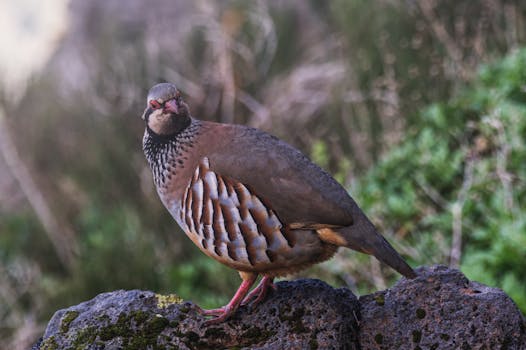
Chukar chickens, more accurately known as Chukar partridges (Alectoris chukar), have been captivating bird enthusiasts, hunters, and small farmers around the world for decades. These hardy, medium-sized game birds are famous for their adaptability, striking coloration, and unique behaviors. While often lumped together as a single species, Chukars actually encompass a variety of breeds and regional variants, each with its own subtle characteristics and history. Whether you’re a hobbyist, conservationist, or someone interested in sustainable game bird farming, understanding the diversity within Chukar breeds is essential. In this comprehensive overview, we’ll explore the different Chukar chicken breeds and variants, their origins, physical traits, and their roles in agriculture, conservation, and culture.
The Origin and Spread of Chukar Partridges
The Chukar partridge is native to a vast range that stretches from southeastern Europe across the Middle East and into Central and South Asia. Fossil evidence and historical records indicate that these birds have been present in these regions for thousands of years, with their earliest domestication likely occurring in the Middle East around 2,000 BCE.
Chukars were first introduced to North America in the late 1800s, primarily for sport hunting and game bird farming. Today, they thrive in arid regions of the western United States, such as Nevada, Utah, and Idaho, with wild populations exceeding 2 million birds in North America alone (U.S. Fish & Wildlife Service, 2022). Their adaptability has also led to successful introductions in New Zealand, Hawaii, and various European countries.
.png)
This widespread distribution has resulted in several regional variants, each adapted to their local environment and, in some cases, selectively bred for desired traits.
Recognized Chukar Breeds and Regional Variants
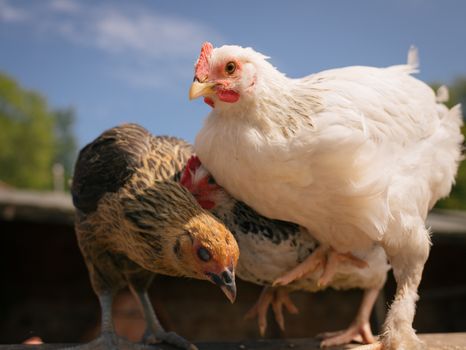
The term "Chukar chicken breeds" can be a bit misleading, as Chukars are not true chickens but are classified as game birds. Nevertheless, among game bird breeders and enthusiasts, several distinct Chukar breeds and subspecies are recognized. The International Ornithologists' Union currently identifies at least 16 subspecies of Alectoris chukar, many of which exhibit distinct physical and behavioral differences due to geographic isolation and selective breeding.
Some of the most prominent Chukar variants include:
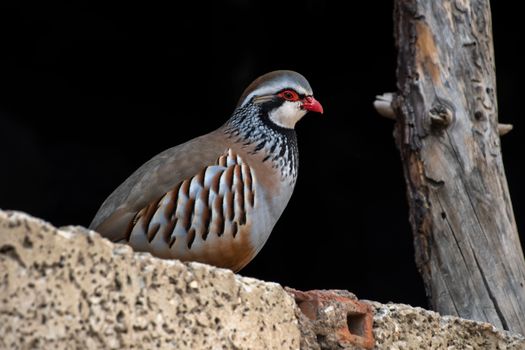
- $1: The nominate subspecies, originating from the Middle East and the Balkans. This is the most common variant found in captivity and in North American wild populations. - $1: Native to Cyprus, slightly smaller with a paler plumage. - $1: Found in western China, recognized for its darker markings and more robust build. - $1: Native to the Himalayas, adapted to higher altitudes and colder climates. - $1: Crossbreeding between Chukars and closely related species, such as the Red-legged Partridge (Alectoris rufa), has produced hybrids with mixed characteristics, especially in European game farms.These variants have evolved distinct plumage patterns, size differences, and behavioral traits that reflect their adaptation to local environments and selective breeding by humans.
Physical Characteristics: Comparing Chukar Variants
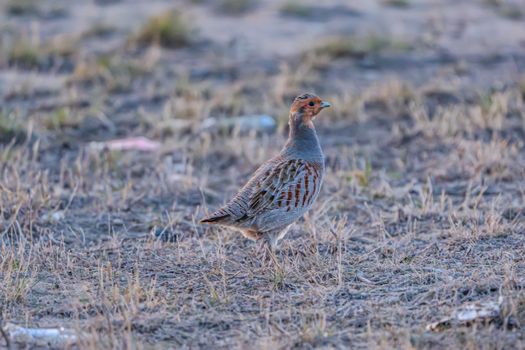
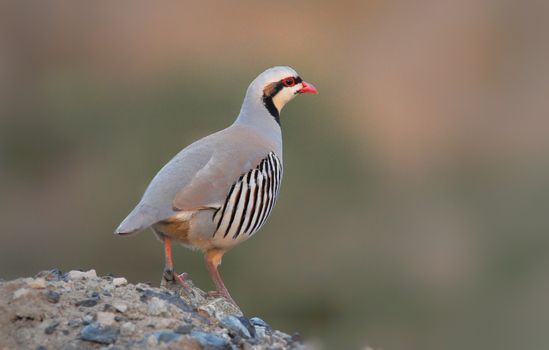
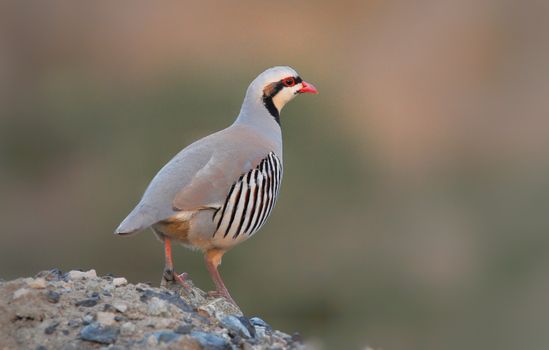
Chukar partridges are instantly recognizable thanks to their bold markings: a light gray-brown back, buff belly, and striking black band running from the forehead, through the eye, and down the neck, forming a necklace-like pattern. The flanks are adorned with bold black and white barring, and both the beak and legs are bright red.
However, differences between breeds and variants can be subtle yet significant. The table below compares some key physical characteristics of the most common Chukar variants:
| Variant | Average Weight (grams) | Plumage Coloration | Distinct Features | Native Region |
|---|---|---|---|---|
| A. chukar chukar | 500-600 | Gray-brown back, buff underparts | Bold black neck band, red bill | Middle East, Balkans |
| A. chukar cypriotes | 450-520 | Paler gray, lighter belly | Less pronounced neck band | Cyprus |
| A. chukar potanini | 550-650 | Darker overall, prominent barring | Heavier body, robust build | Western China |
| A. chukar fusei | 480-580 | Thicker plumage, dusky tones | Adapted to cold, high-altitude | Himalayas |
| Hybrid Chukar | Varies | Mixed traits | Variable markings, hybrid vigor | Europe (game farms) |
These physical differences, while often subtle, can affect the birds’ adaptability, reproductive success, and suitability for different climates or farming conditions.
Behavioral and Reproductive Distinctions Among Chukar Breeds
Beyond physical appearance, Chukar variants may differ in their behavior and reproductive patterns. For example, Himalayan Chukars (A. chukar fusei) are known to be more cold-hardy and are often more aggressive when defending territory or chicks. In contrast, the Cypriot variant tends to be less territorial and adapts well to smaller enclosures.
Reproductive cycles also show some variation. The typical Chukar lays between 7 to 21 eggs per clutch, with an average incubation period of 23-25 days. However, breeds adapted to higher altitudes or harsher climates, such as the Himalayan and Chinese variants, may lay fewer eggs per season but exhibit higher chick survival rates due to increased parental care and thicker eggshells.
Selective breeding, especially on game bird farms, has also influenced reproductive traits. Some hybrid Chukars have been bred for increased fertility and faster growth, making them more suitable for commercial meat production or release into hunting preserves.
The Role of Chukar Breeds in Conservation and Game Bird Farming
Chukar breeds and variants are not just a curiosity for breeders and scientists; they play an important role in modern conservation efforts and the game bird industry. With the global wild population of Chukars estimated at over 20 million birds (BirdLife International, 2023), these birds are considered of "Least Concern" in terms of conservation status. However, regional populations, especially certain subspecies with limited ranges, are threatened by habitat loss, hunting pressure, and hybridization with introduced stock.
Game bird farming has helped alleviate some of this pressure. In the United States alone, over 1 million Chukar partridges are raised annually for hunting preserves and meat production (National Agricultural Statistics Service, 2021). Breeders often select for traits such as rapid growth, disease resistance, and adaptability to captivity, which can differ from the characteristics favored by wild populations.
Conservationists are increasingly aware of the importance of maintaining genetic diversity among Chukar breeds. Efforts are underway in countries like Israel, Pakistan, and Cyprus to protect purebred populations and prevent genetic dilution from introduced or hybrid birds. These programs underscore the value of understanding the subtle but significant differences among Chukar variants.
Cultural and Culinary Significance of Chukar Partridges
Chukars have long held a place in the folklore, cuisine, and traditions of the regions where they are native. In the Middle East and Central Asia, Chukars symbolize beauty and longing, often appearing in poetry and proverbs. For example, in Persian literature, the Chukar’s supposed love for the moon is a well-known motif.
Culinarily, Chukar meat is prized for its lean texture and gamey flavor. In Pakistan, India, and Cyprus, Chukar dishes are considered delicacies, often reserved for special occasions. The meat is low in fat and high in protein, with a typical Chukar yielding about 200 grams of edible meat per bird.
In recent years, the rise of farm-to-table dining and interest in sustainable game meat has increased demand for farm-raised Chukar, especially in North America and Europe. This renewed interest further highlights the importance of understanding breed differences, as variants may differ in meat quality, size, and adaptability to farming conditions.
Final Thoughts on the Diversity of Chukar Chicken Breeds
The Chukar partridge, while often generalized as a single game bird species, is actually a tapestry of regional breeds and variants, each bringing its own unique adaptations and characteristics. From the robust, high-altitude Himalayan Chukar to the paler, gentle Cypriot breed, these differences have important implications for breeders, conservationists, and culinary enthusiasts alike.
Whether you encounter Chukars in the wild, on the farm, or at the dinner table, recognizing their diversity enriches our understanding of this remarkable bird. As interest in sustainable game bird farming and conservation grows, so too does the need to appreciate and preserve the genetic and cultural legacy of Chukar chicken breeds and their many variants.