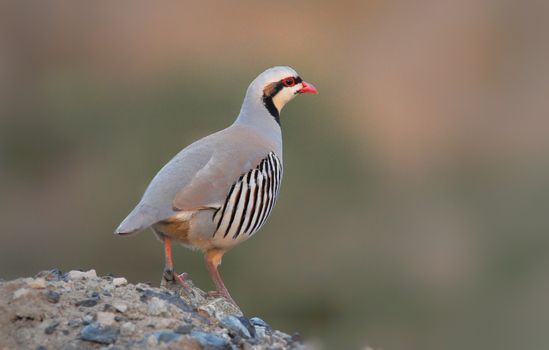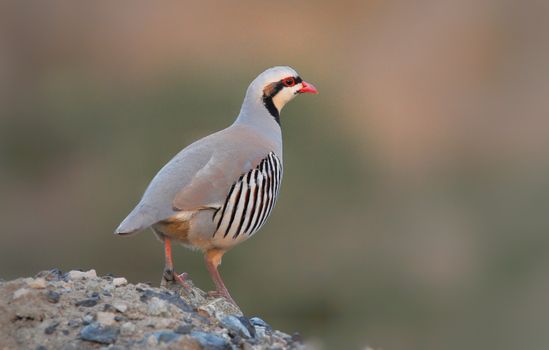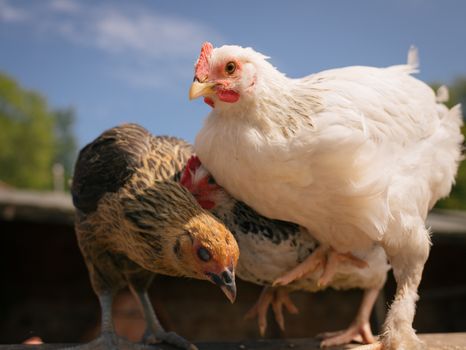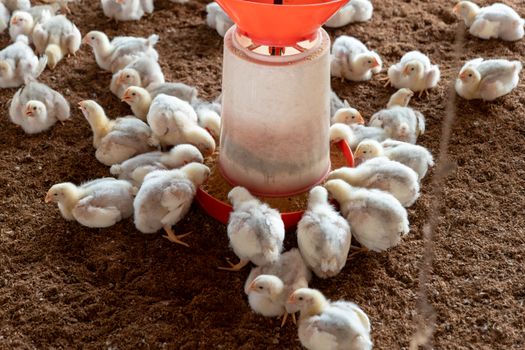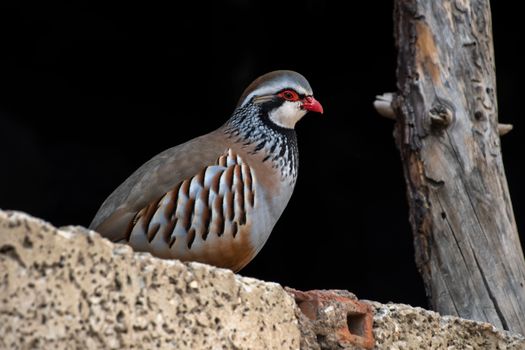
Chukar partridge farming is gaining popularity worldwide due to the bird’s adaptability, high reproductive rate, and demand in both the culinary and game bird markets. However, one of the most pressing challenges for both new and experienced Chukar partridge farmers is protecting flocks from predators. A single breach can result in not only the loss of birds but also significant financial setbacks and emotional distress. Understanding predator threats and implementing robust protection strategies is essential for any successful Chukar partridge operation.
This article explores practical and innovative methods to secure Chukar partridge farming from predators. From understanding the primary threats to leveraging modern technology and landscaping techniques, these tips will help fortify your flock and ensure the sustainability of your venture.
Understanding Predator Threats in Chukar Partridge Farming
Chukar partridges are ground-dwelling birds, making them especially vulnerable to a range of predators. In North America, Europe, and Asia, the main threats include:
.png) - Mammals: foxes, raccoons, feral cats, weasels, and domestic dogs
- Birds of prey: hawks, eagles, and owls
- Snakes: various species depending on region
- Mammals: foxes, raccoons, feral cats, weasels, and domestic dogs
- Birds of prey: hawks, eagles, and owls
- Snakes: various species depending on region
In a 2022 survey by the American Game Bird Association, over 70% of Chukar farmers reported predator-related losses, with foxes and hawks being the most common culprits. The risk is particularly high at night or during the early morning hours when Chukars are less vigilant and predators are most active.
Predator attacks can result in: - Sudden reduction of flock size - Injured birds, leading to increased disease risk - Stress-induced reduction in egg production - Financial losses: A 2021 case study in California reported a $2,400 loss in one night due to a raccoon incursionUnderstanding the behavioral patterns and entry points of these threats is the first step towards an effective defense.
Physical Barriers: Fortifying Aviaries and Outdoor Runs
The foundation of predator protection in Chukar partridge farming is the use of strong physical barriers. While simple wire fencing may keep the birds contained, it often fails to deter determined predators.
Key strategies include:
- Heavy-Duty Wire Mesh: Use galvanized hardware cloth with apertures no larger than 1/2 inch (1.27 cm) for walls and roofing. Chicken wire is insufficient, as raccoons and weasels can squeeze through or tear it apart. - Bury Fencing: Extend fencing at least 12 inches (30 cm) underground and bend it outward in an “L” shape to prevent digging animals from tunneling inside. - Secure Roofing: Cover all outdoor runs with wire mesh or netting to block aerial predators. Overlapping panels reduce weak points. - Reinforced Doors and Latches: Use predator-proof locks and check for gaps regularly. Automatic door closers add an extra layer of security, especially for nighttime protection. - Double Door Entry: Installing a small vestibule or “man-trap” entry system can prevent birds from escaping during human entry and limit predator access.A 2020 study by the University of Minnesota found that farms using 1/2 inch hardware cloth and buried fencing reduced predator losses by 87% compared to those using standard poultry netting.
Guard Animals vs. Electronic Deterrents: Which Is More Effective?
Farmers often debate between using guard animals and electronic predator deterrents. Both systems have merits, but their effectiveness depends on your specific environment and predator profile.
| Method | Pros | Cons | Best For |
|---|---|---|---|
| Guard Dogs (Livestock Guardian Breeds) | Highly effective against mammals, adaptable to farm life, continuous presence | Require training, ongoing care, potential stress to birds if not socialized | Large outdoor farms, rural settings, high predation pressure |
| Geese | Alert flock to danger, aggressive to small predators, low maintenance | Can be noisy, less effective against large predators, possible aggression to people | Mixed bird farms, areas with small mammal threats |
| Motion-Activated Lights/Sirens | Non-intrusive, covers wide area, no animal care needed | Predators may become habituated, ineffective during daylight, power source needed | Supplementary protection, night-time threats |
| Electric Fencing | Strong deterrent to climbing and digging predators, long-lasting | Initial cost, maintenance, risk of power outage | Perimeter security, high-value flocks |
In practice, many farmers combine these methods. For example, using a livestock guardian dog alongside motion-activated alarms can provide 24/7 coverage and reduce the likelihood of predators adapting to a single deterrent.
Landscaping and Environmental Management for Predator Prevention
The layout and management of your farm’s surroundings play a crucial role in predator control. Predators are opportunists; they use cover to approach and exploit food sources. Here’s how to make your farm less attractive to them:
- Clear Brush and Tall Grass: Maintain a buffer zone of at least 15 feet (4.5 meters) around aviaries free from dense vegetation, woodpiles, and debris. This eliminates hiding spots for ambush predators like foxes and snakes. - Trim Low Tree Branches: Hawks and owls prefer to hunt from elevated perches. Removing low branches near the aviary can reduce their ability to swoop down effectively. - Remove Food Attractants: Secure all feed storage in rodent-proof bins. Spilled grain attracts rodents, which in turn lure snakes and larger predators. - Install Gravel or Crushed Stone Paths: Snakes dislike crossing rough or hot surfaces. Creating a gravel strip around your pen can act as a mild deterrent. - Water Management: Avoid stagnant water pools as they attract amphibians, rodents, and insects, which are prey for some predators.A 2019 survey of 120 game bird farms found that those with maintained buffer zones reported 40% fewer predator incidents than farms surrounded by unmanaged vegetation.
Technological Solutions: Cameras and Monitoring for Proactive Defense
Modern technology can transform a farmer’s ability to detect threats before they become disasters. Surveillance and monitoring tools offer both real-time alerts and valuable information for long-term farm management.
- Trail Cameras: Motion-sensitive cameras placed around the perimeter can capture images of would-be intruders. According to a 2023 study, 65% of farms using trail cameras were able to identify and trap repeat predators. - Wireless Sensors: Systems that detect motion, vibration, or heat can send instant alerts to your phone or control panel, allowing for immediate response. - Smart Lighting: LED floodlights equipped with motion sensors can startle predators and illuminate their presence for cameras or human intervention. - Automated Record Keeping: Some systems integrate with farm management software, allowing you to track incidents, patterns, and responses for continual improvement.By investing in surveillance, you not only deter attacks but also gather valuable data. For example, if trail cameras repeatedly capture foxes at a specific fence line, you can reinforce that area and prevent future breaches.
Educating Farm Staff and Family: The Human Element in Predator Protection
Even with the best equipment and design, human vigilance remains essential. All staff and family members involved in Chukar partridge farming should be educated on:
- Daily Perimeter Checks: Inspect fences, doors, and locks for damage or signs of tampering. - Recognizing Signs of Predators: Tracks, droppings, feathers, and disturbed soil may indicate predator activity. - Proper Disposal of Carcasses and Waste: Dead birds should be promptly removed and disposed of far from the aviary to avoid attracting scavengers. - Emergency Procedures: Establish a clear response plan in case of a predator breach, including who to call, how to secure the birds, and immediate repair protocols.Incorporating regular training sessions and updating protocols based on the latest incidents can dramatically reduce losses. According to the UK Game Farmers’ Association, farms with regular staff training experienced 33% fewer successful predator attacks.
Securing Chukar Partridge Farming: Essential Takeaways
Protecting Chukar partridges from predators is a multifaceted challenge that demands a blend of physical barriers, active deterrents, smart landscaping, and human vigilance. By understanding local predator threats and tailoring your defenses accordingly, you can dramatically reduce risk. Combining old-fashioned methods, such as reinforced fencing and guard animals, with modern technologies, like surveillance cameras and smart alarms, offers a comprehensive safety net.
Remember, predator management is an ongoing process. Regular farm assessments, staff education, and technology upgrades are investments that pay dividends in flock health, productivity, and peace of mind. With the right approach, predator losses can be minimized—ensuring your Chukar partridge farm thrives for years to come.