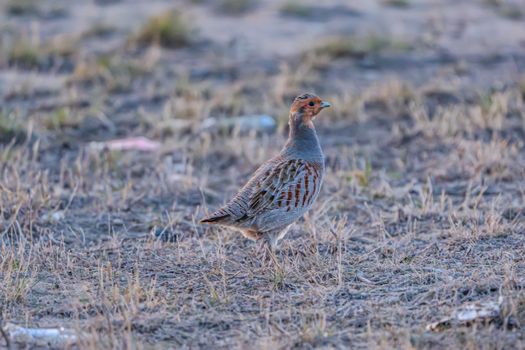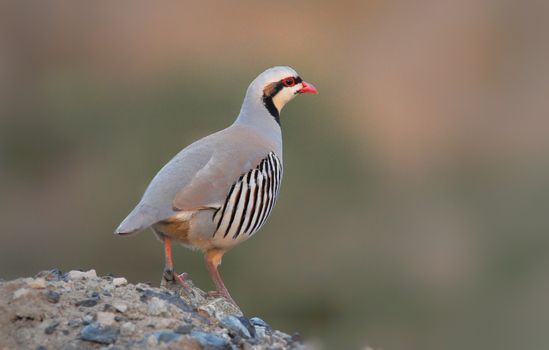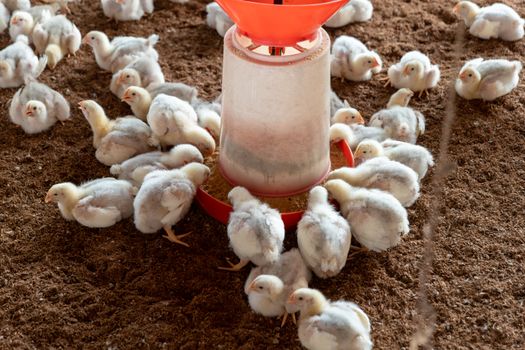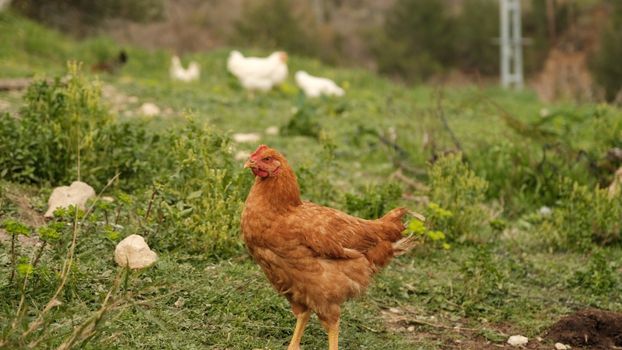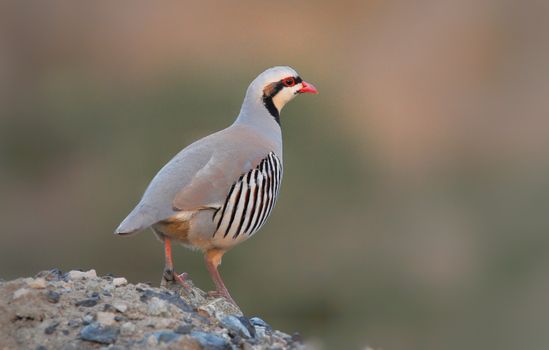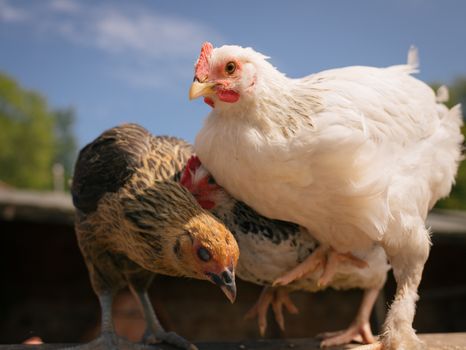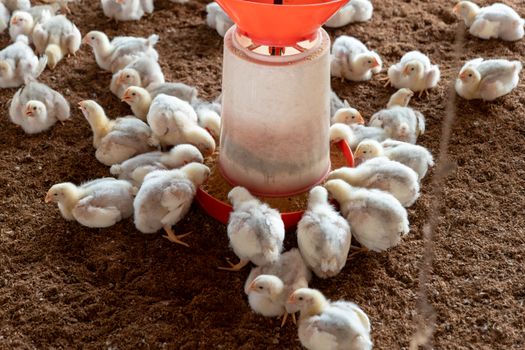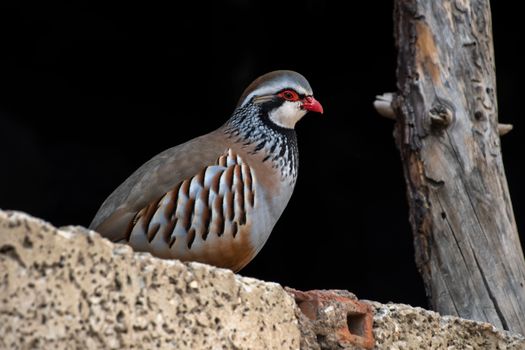
Chukar chickens, also known as chukar partridges (Alectoris chukar), are prized for their adaptability, resilience, and value in game bird farming. However, even these hardy birds require diligent health monitoring to thrive in captivity. Disease outbreaks, environmental stressors, and nutritional imbalances can all impact flock productivity and welfare. Properly monitoring the health of your chukar chickens is not just preventive—it's essential for early intervention, effective management, and the long-term success of your operation. This comprehensive guide will explore proven tools and techniques for health monitoring, empowering you to catch problems early and maintain a vibrant, productive flock.
The Importance of Proactive Health Monitoring in Chukar Chickens
When it comes to flock management, the old adage "an ounce of prevention is worth a pound of cure" rings especially true. Chukar chickens, like all poultry, are susceptible to a variety of health challenges, including respiratory infections, parasitic infestations, and nutritional disorders. The economic cost of disease can be significant—according to the USDA, respiratory illnesses alone can reduce productivity in poultry by up to 30% and increase mortality rates by as much as 15%.
Monitoring flock health is more than just looking for sick birds. It’s about establishing a baseline for what’s normal, detecting subtle changes, and intervening before problems escalate. Early detection can:
.png) - Reduce the spread of infectious diseases
- Minimize the need for medications and costly treatments
- Improve egg production and growth rates
- Support animal welfare and ethical standards
- Reduce the spread of infectious diseases
- Minimize the need for medications and costly treatments
- Improve egg production and growth rates
- Support animal welfare and ethical standards
By investing in proper health monitoring, chukar farmers can protect both their birds and their bottom line.
Essential Tools for Monitoring Chukar Chicken Health
Modern poultry health management combines traditional observation with innovative tools and technologies. Here’s a breakdown of the most effective equipment and diagnostic aids used by successful chukar breeders:
1. Digital Weighing Scales: Regularly weighing a sample of your birds helps detect growth abnormalities and early signs of illness. For chukar chickens, adult weights typically range between 500-800 grams. Significant deviations can indicate underlying issues. 2. Infrared Thermometers: Non-contact thermometers allow you to quickly check for fever or abnormal body temperatures—often the first sign of infection—in individual birds. 3. Automated Water Monitors: Sudden changes in water consumption often precede visible symptoms of disease. Smart sensors can alert you to drops in intake, suggesting stress or illness within the flock. 4. Fecal Egg Count Kits: Intestinal parasites are an ongoing concern for game birds. Fecal egg counting kits make it easy to monitor parasite load and assess the effectiveness of deworming protocols. 5. Mobile Health Apps: Several smartphone apps are now tailored for poultry health, enabling farmers to track symptoms, schedule health checks, and analyze trends over time. 6. Video Surveillance Cameras: Remote cameras provide real-time observation, helping you spot abnormal behaviors, injuries, or outbreaks without disturbing the flock.Here is a comparison of some key monitoring tools:
| Tool | Main Purpose | Cost (USD) | Advantages | Limitations |
|---|---|---|---|---|
| Digital Scale | Monitor weight trends | $30-$80 | Accurate, easy to use | Manual operation required |
| Infrared Thermometer | Check body temperature | $20-$50 | Fast, non-contact | Individual birds only |
| Water Monitor | Track water intake | $100-$250 | Early warning system | Initial setup cost |
| Fecal Egg Counter | Detect parasites | $40-$100 | Direct parasite data | Requires sample collection |
| Video Camera | Behavioral observation | $80-$200 | Remote monitoring | May miss subtle signs |
Selecting the right mix of tools depends on your flock size, budget, and management style. Even simple, low-cost devices can offer invaluable insights.
Key Health Indicators to Track in Chukar Chickens
Successful health monitoring hinges on knowing what to look for. By tracking both physical and behavioral indicators, you can build a comprehensive picture of flock well-being. Here are the most telling signs:
Physical Indicators: - Weight and Body Condition: Sudden weight loss or gain may signal disease, malnutrition, or parasite infestation. - Plumage Quality: Ruffled, missing, or dull feathers often indicate stress, mites, or nutritional deficiencies. - Comb and Wattle Color: Healthy chukar have vibrant, pinkish combs and wattles. Pale or bluish coloration may point to circulatory or respiratory issues. - Droppings: Consistency, color, and frequency of droppings reveal much about digestive health. Watery, bloody, or green droppings warrant immediate attention. Behavioral Indicators: - Activity Level: Lethargy, reluctance to move, or isolation from the flock suggests illness or injury. - Feeding and Drinking Habits: Reduced appetite or water intake is an early symptom for many diseases. - Breathing Patterns: Labored, open-mouthed, or noisy breathing can signal respiratory infections—a leading cause of mortality in captive chukar. Environmental Indicators: - Litter Moisture: Damp, soiled bedding fosters disease. Monitoring moisture levels prevents outbreaks of coccidiosis and other litter-borne illnesses. - Air Quality: High ammonia levels cause respiratory irritation and increase susceptibility to infection. Investing in basic air quality meters can help maintain a safe environment.Regularly recording these indicators—ideally on a daily or weekly basis—creates a valuable reference, enabling you to spot trends or emerging problems before they escalate.
Routine Health Check Protocols for Chukar Chickens
A standardized health check routine is vital for early disease detection and flock management. Here’s a step-by-step protocol recommended by avian veterinarians and leading game-bird producers:
1. Visual Inspection: Observe the flock from a distance before entering the enclosure. Look for abnormal postures, inactivity, or birds separating from the group. 2. Hands-On Examination: Randomly select 5-10% of your birds for closer inspection. Check weight, plumage, eyes, nostrils, mouth, vent, and limbs for abnormalities. 3. Monitor Feed and Water Intake: Compare daily consumption records to established baselines. For adult chukar, average daily water intake is approximately 50-70 ml per bird, and feed intake is 20-30 grams per day. 4. Fecal Assessment: Collect and examine droppings weekly. Look for changes in color, consistency, and presence of blood or undigested food. 5. Environmental Audit: Measure temperature, humidity, ammonia levels, and litter condition. Maintain temperatures between 15-25°C and humidity around 50-60% for optimal health. 6. Record Findings: Use a dedicated logbook or digital app to record observations, treatments, and interventions. Consistent documentation is crucial for tracking flock health over time.This protocol not only supports early detection but also fulfills legal and ethical requirements for animal welfare audits in many regions.
Advanced Diagnostic Techniques: When to Seek Veterinary Support
While on-farm monitoring covers most routine concerns, some cases require professional veterinary expertise and laboratory diagnostics. Advanced techniques include:
- Blood Testing: Detects infections, nutritional imbalances, and organ dysfunction. For example, elevated white blood cell counts can signal bacterial or viral infection. - PCR and ELISA Testing: These laboratory methods identify specific pathogens such as Salmonella, Mycoplasma, or Newcastle Disease virus, even before symptoms appear. - Necropsy: If a bird dies unexpectedly, a veterinary post-mortem can reveal causes of death, helping prevent further losses. - X-ray and Ultrasound: Rarely used in routine management, these imaging tools can diagnose internal injuries, egg-binding, or tumors in valuable breeding stock.It's important to establish a relationship with a local avian or poultry veterinarian—ideally, one familiar with game birds like chukar. Early consultation can make the difference between a minor setback and a devastating outbreak.
Data-Driven Flock Management: Turning Monitoring into Action
Collecting health data is only half the equation—what sets successful chukar producers apart is their use of this information to guide management decisions. Here’s how to turn monitoring into results:
- Set Baselines: Use initial data to establish what’s normal for your flock in terms of weight, consumption, and behavior. - Identify Trends: Spot recurring issues (e.g., seasonal respiratory flare-ups) and adjust management accordingly. - Respond Rapidly: When abnormal signs emerge, act quickly—separate sick birds, adjust environmental conditions, or seek veterinary advice. - Review and Adapt: After interventions, monitor outcomes and refine your protocols to improve results for the future.In a 2021 survey of over 500 small-scale poultry farmers, those who consistently tracked and acted on health data reported 23% lower mortality rates compared to those relying on observation alone. The message is clear: data-driven management pays dividends in both flock health and farm profitability.
Final Thoughts on Monitoring Chukar Chicken Health
Properly monitoring the health of chukar chickens is a blend of careful observation, appropriate tools, and timely action. By establishing routine protocols, tracking key indicators, and leveraging modern technology, you can prevent many common health issues and ensure your flock thrives. Remember, a healthy chukar flock is not only more productive but also brings peace of mind to every responsible poultry keeper. With diligence and the right strategies, you’ll set the stage for years of successful game bird farming.