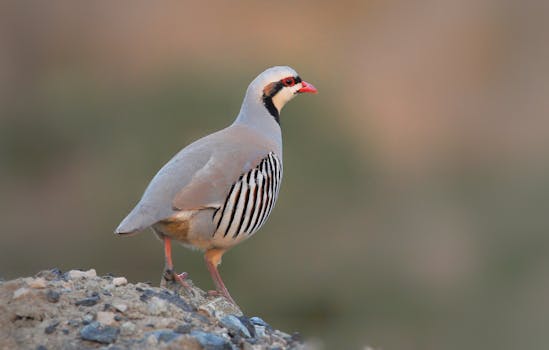
Starting a chukar farm involves a combination of good planning, understanding of the species, and careful management. Chukars, a type of game bird, are increasing in popularity due to their resilience and the rising demand for their meat and eggs. Whether you’re a new farmer or someone looking to diversify your agricultural ventures, chukar farming can be a promising option. Here’s how you can start your own chukar farm:
Step 1: Research and Understand Chukar Farming
Before starting, it’s crucial to gather information about chukar partridges. Understand their behavior, dietary needs, and environmental preferences. Chukars are known for their ability to thrive in arid, rocky settings, which should be considered when planning your farm’s layout.
.png)
Step 2: Develop a Business Plan
Outline your objectives, operational plans, and financial projections. Determine the scale of your chukar farm based on your resources and market research. Include potential markets for selling your chukars, such as local butchers, restaurants, or game bird enthusiasts.
Step 3: Navigate Legal Requirements
Consult local and state regulations related to game bird farming. You may need specific permits and licenses to legally operate your chukar farm. Ensure compliance with all guidelines to avoid any legal complications.
Step 4: Set Up the Farm Infrastructure
Choose a suitable location that mimics the natural habitat of chukars. Design and construct enclosures that provide safety from predators and harsh weather, ensuring that the birds have enough space to roam. Consider the terrain, as chukars are adapted to rocky, sparsely vegetated lands.
Step 5: Purchase Quality Breeding Stock
Acquire your initial flock from trusted breeders. Healthy, disease-free birds are essential for a successful start. Begin with a manageable number of chukars to streamline care and management as you learn the ropes.
Step 6: Manage Feeding and General Care
Chukars require a high-protein diet, especially during growth and breeding seasons. Feed them a balanced diet consisting of grains, seeds, and insects. Ensure constant access to clean water and maintain strict hygiene practices to prevent diseases.
Step 7: Implement a Breeding Program
If you intend to breed chukars, familiarize yourself with their breeding patterns. Chukars typically breed in the spring and can have multiple egg-laying cycles in a year. Provide comfortable nesting areas to encourage reproduction and manage the flock to maintain genetic diversity and health.
Step 8: Market Your Products
Develop a marketing strategy tailored to your products, whether you’re selling meat, eggs, or live birds. Explore various channels such as local farmers' markets, online platforms, or direct sales to hunting reserves. Effective marketing will help you reach potential customers and establish a solid customer base.
Conclusion
Starting a chukar farm can be a fulfilling enterprise with the right approach and resources. Thorough preparation, from understanding the needs of chukars to marketing your products effectively, is essential for success. Stay informed about industry trends and continually adapt your practices to ensure your chukar farm thrives in a competitive market.