Rural farming is a cornerstone of sustainable living, integrating eco-friendly practices that contribute to environmental health, economic stability, and social well-being. Its influence spans various aspects, from biodiversity preservation to advanced water management, making it a vital component in the quest for a sustainable future.
What is Rural Farming?
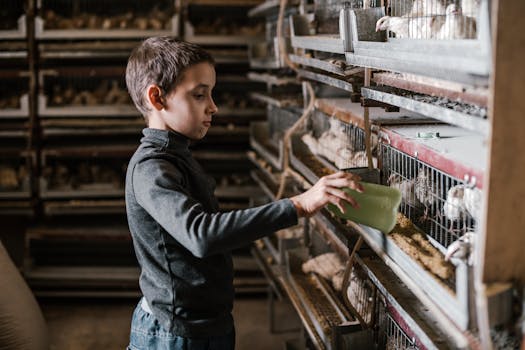
Rural farming refers to the practice of agriculture in rural areas, focusing on the cultivation of crops and rearing of animals within a localized setting. This form of farming tends to use traditional methods handed down through generations alongside innovative practices aimed at sustainability.
.png)
Environmental Benefits
- Biodiversity Preservation: Rural farms often cultivate a variety of crops and rear different types of livestock, which helps maintain genetic diversity and ecosystem stability. This diversity is crucial for adapting to changing environmental conditions and sustaining productivity.
- Organic Practices: Many rural farmers employ organic farming techniques that avoid synthetic pesticides and fertilizers, thereby reducing soil and water contamination and promoting healthier ecosystems.
- Soil Conservation: Techniques like no-till farming, cover cropping, and contour plowing help prevent soil erosion, enhance water retention, and build soil health, crucial for long-term agricultural productivity.
- Water Management: Efficient practices such as drip irrigation and rainwater harvesting minimize water wastage, protect water quality, and ensure availability during dry periods.
Economic and Social Benefits
- Supporting Local Economies: By providing jobs and fostering a market for local produce, rural farming helps sustain local economies. This reduces the need for people to migrate to urban areas, thus maintaining the rural landscape and community structure.
- Reducing Carbon Footprint: Local production and consumption of food reduce the need for long-distance transportation, thereby cutting down on greenhouse gas emissions associated with food transport.
- Community Engagement: Rural farms often serve as community hubs, strengthening ties among residents and fostering a shared commitment to sustainable practices.
Challenges and Opportunities
While rural farming is inherently geared towards sustainability, it faces challenges such as market access, climate change impacts, and the need for more advanced sustainable technologies. Addressing these challenges requires support from both government policies and community initiatives.
Future Perspectives
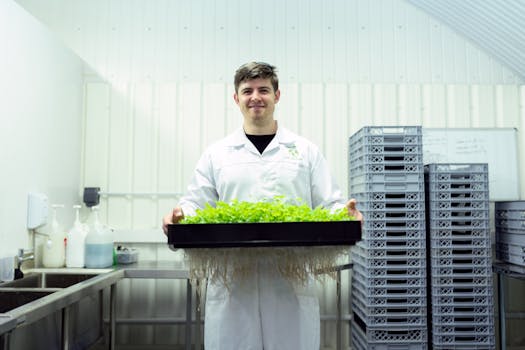
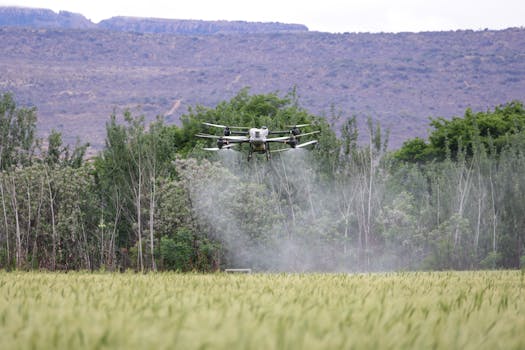
With increasing awareness of environmental issues, rural farming is poised to play an even more significant role in sustainable living. Innovations in sustainable agriculture, such as precision farming and integrated pest management, could further enhance the efficiency and sustainability of rural farming practices.
In embracing rural farming, communities around the world can work towards a more sustainable future, creating models of living that preserve the environment while providing economic and social benefits. This approach not only supports the health of the planet but also ensures a resilient and sustainable food system for future generations.