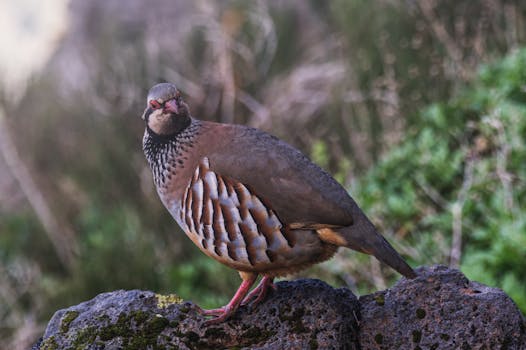
Creating a thriving habitat for upland birds on your farm is a rewarding endeavor that enhances the ecological balance and aesthetic appeal of your property. Upland birds such as quails, pheasants, and grouse play a vital role in maintaining the health of rural ecosystems. Here’s a comprehensive guide to optimizing your farm’s landscape to support these valuable bird species.
Understanding Upland Bird Habitat Needs
Upland birds require a diverse habitat that includes grasslands, shrublands, and forested areas. These environments provide critical resources including food, shelter, and breeding sites. The goal is to establish a balanced ecosystem that meets the birds' needs throughout their life cycles and across seasons.
.png)
Grasslands: Crucial for Nesting and Shelter
Grasslands are essential for upland birds, offering both shelter from predators and suitable nesting sites. Native grasses like bluestem, switchgrass, and Indian grass are particularly beneficial as they remain robust through winter and provide excellent cover. Enhance these grasslands with rotational grazing, which mimics natural disturbances and encourages a healthy diversity of plant life.
Shrublands: Providing Food and Protection
Shrublands are vital for their dense coverage and food offerings. Shrubs such as dogwoods, hawthorns, and sumacs not only protect birds from predators but also provide berries and fruits, crucial for the birds' diet. Manage these areas with controlled burns or selective logging to maintain their health and usefulness to bird populations, especially the vulnerable young.
Forests: Essential for Breeding and Roosting
While upland birds primarily utilize open landscapes, forest edges are important for breeding and roosting. A mix of mature and regenerating forests helps create the varied structure these birds need. Preserve snags and fallen logs, which enhance nesting opportunities and attract insects, a key food source.
Water Sources: Essential for Health and Attraction
Water is indispensable for all wildlife, including upland birds. Ensure your farm includes accessible, clean water sources like ponds, streams, or man-made water features. These not only provide hydration but also attract insects, which are a significant part of the upland bird diet.
Managing Predators
Effective predator management is crucial in safeguarding upland bird populations. While predators are a natural part of the ecosystem, their excessive presence can be detrimental. Implement strategies such as managing feral animals and enhancing habitat cover to reduce predation risks.
Developing a Habitat Management Plan
A strategic habitat management plan is key to successfully enhancing your farm for upland birds. This should include:
- A detailed map of existing habitats and potential improvement areas.
- Clear objectives for habitat enhancement, such as expanding grassland coverage or establishing protective buffers around watersheds.
- Scheduled activities like native species plantings, controlled burns, and water resource management.
Monitoring and Adaptive Management
The effectiveness of habitat management should be regularly monitored and adjusted as necessary. Establish bird monitoring stations and conduct yearly surveys to assess the impact of your interventions. Be prepared to adapt your management practices based on these findings to continually support the habitat needs of upland birds.
By following these guidelines, you can transform your farm into a sanctuary for upland birds, contributing significantly to local wildlife conservation and the beauty of your property. Your efforts help ensure the survival and prosperity of these important bird species and enrich the biodiversity of your local ecosystem.